The Silent Rival: How Singapore's Humidity Battles Your Solid Wood Sectional Sofa
For residents of Singapore, from the high-rise apartments of Tampines to the modern condos of Punggol, the air is a constant, invisible presence. It's thick, it's persistent, and it carries a message for your furniture: adapt or suffer. This is the reality of living in a tropical climate where the relative humidity rarely dips below 70% and often climbs towards 90%. The question for any discerning homeowner isn't *if* their furniture will be affected, but *how* and *what* can be done to protect it. This is especially true for a statement piece like a solid wood sectional sofa, a significant investment for any living space.
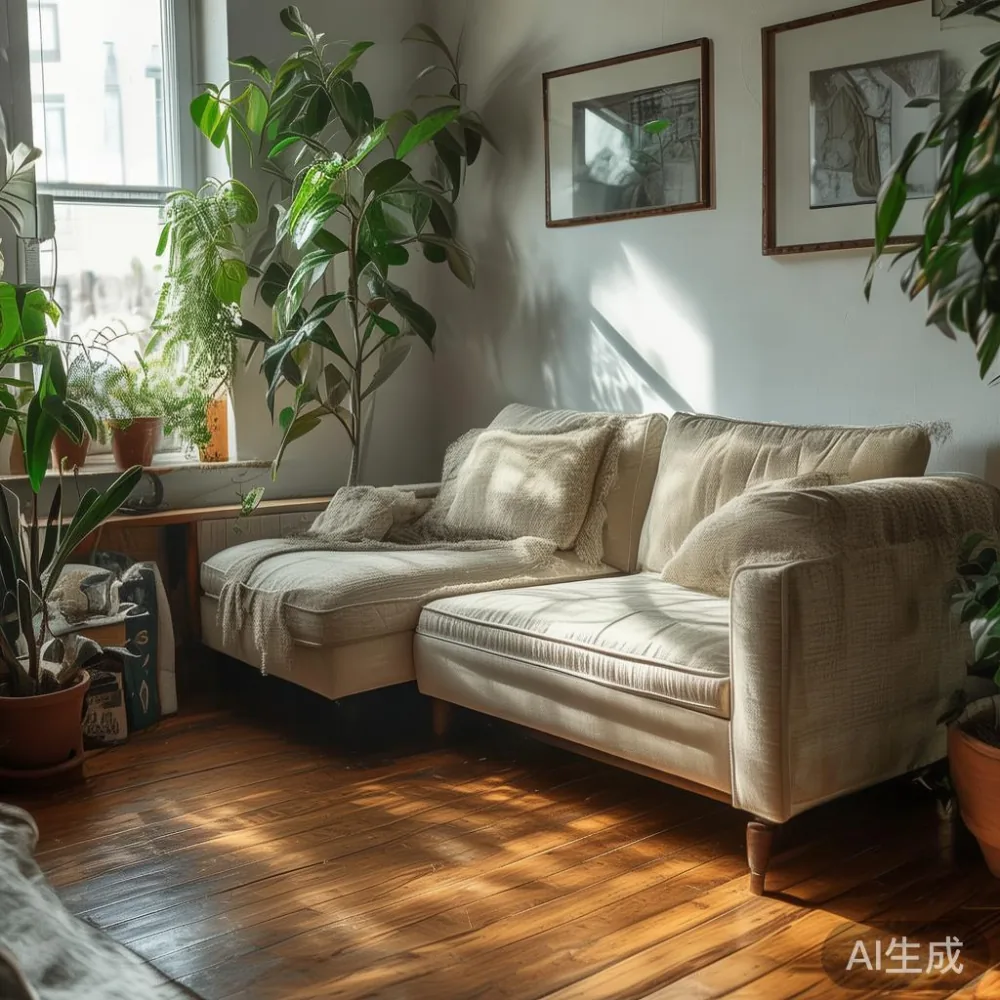
Understanding the Enemy: Humidity and Wood Science
At its core, wood is a hygroscopic material. This scientific term simply means it absorbs and releases moisture from the surrounding air. Think of it as a living, breathing entity that expands when it's wet and contracts when it's dry. In a country like Singapore, where the air is saturated with moisture, wood furniture is constantly in a state of absorption. This continuous process of swelling and shrinking is the primary source of the problems you might see.
The ideal humidity level for wood furniture is between 40% and 60%. This range allows the wood to maintain its natural moisture content, typically around 8-12%, without significant stress. In Singapore, the average indoor humidity, even with air conditioning, often hovers around 65-75%. This persistent exposure to moisture forces the wood to absorb more water than it's designed to handle, leading to a cascade of potential issues. The wood fibers expand, putting internal stress on the joints and the structure itself. Over months and years, this relentless cycle can cause irreversible damage.
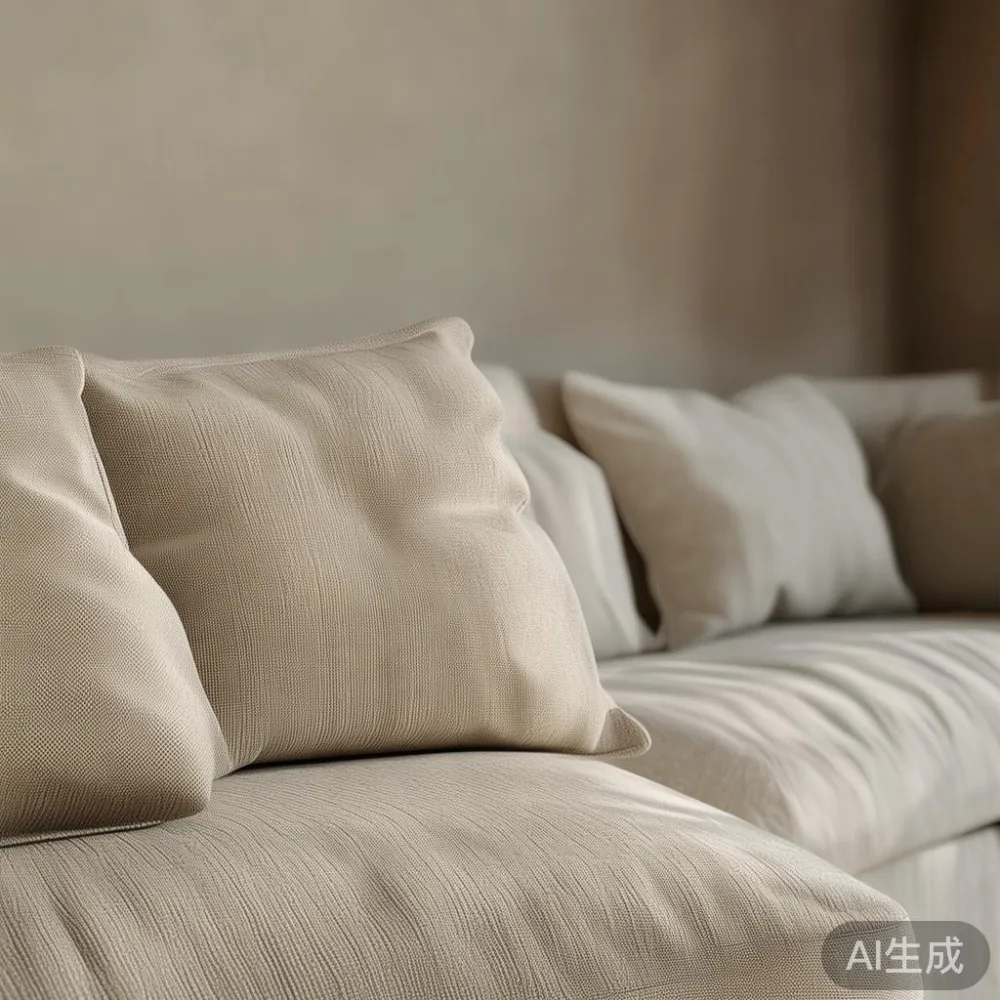
Visible Scars: What Humidity Does to Your Sectional Sofa
The effects of high humidity are not always immediate, but they are often unmistakable once they appear. A solid wood sectional sofa is particularly vulnerable due to its size and the number of joints involved. Here are the common signs to watch for in your Singapore home.
Cracking and Gapping: This is perhaps the most dramatic and concerning effect. As the wood absorbs moisture and then dries out (perhaps during a particularly hot day when the aircon is set to a lower temperature), it can shrink faster than it expanded. This differential movement causes the wood fibres to split, resulting in unsightly cracks on the surface or, more dangerously, within the wood itself. You might notice gaps appearing between the planks of the sofa's frame or armrests, where a once-tight joint now has a visible opening.
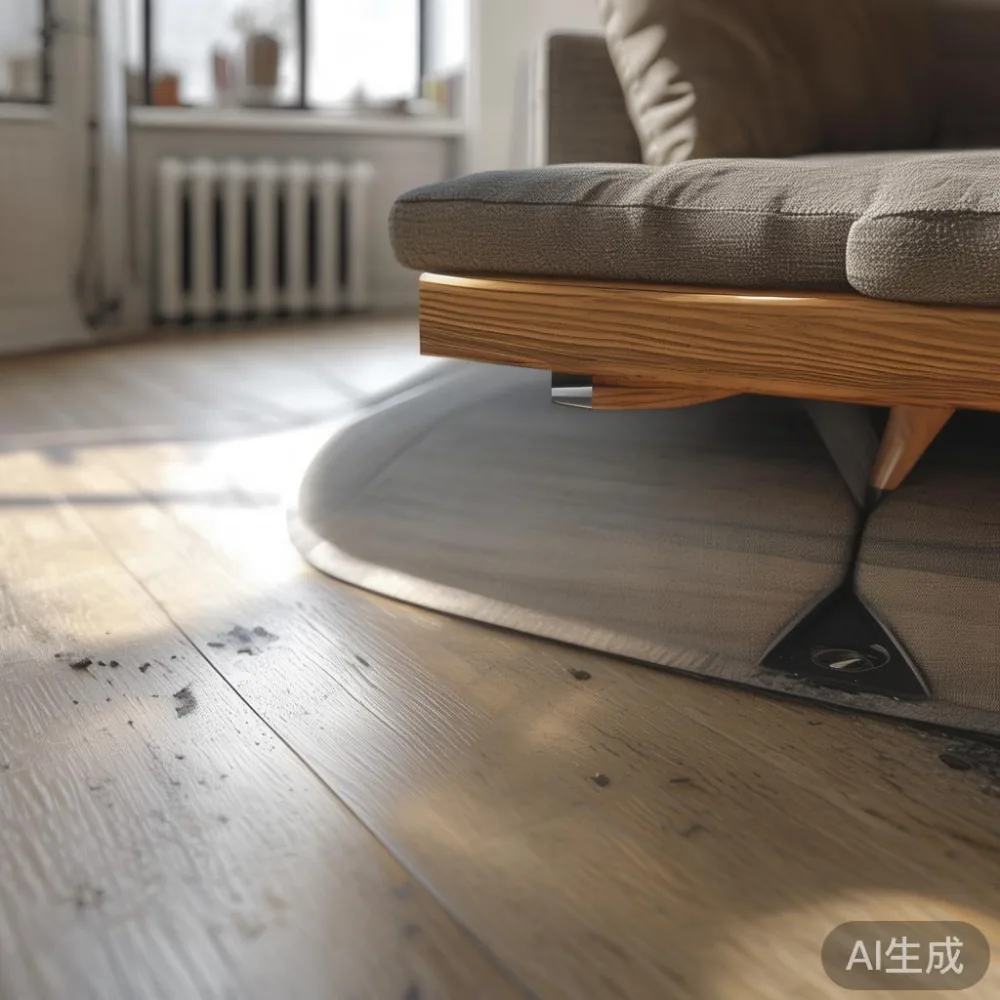
Warping and Bowing: A flat surface, like the armrest or the back of a sofa, can begin to warp. Instead of lying flat, it might bow upwards in the middle or curl at the edges. This warping is caused by uneven moisture absorption, where one side of the wood panel is exposed to more humid air than the other, causing it to expand at a different rate and bend the plank out of shape. For a solid wood sectional sofa designed for clean lines and comfort, a warped armrest can ruin the aesthetic and feel.
Sticking Drawers and Doors: While a sectional sofa may not have drawers, the same principle applies to any wood furniture in your home. The swelling of wood in a humid environment can cause cabinet doors or drawer fronts to expand until they scrape against the frame, making them difficult or impossible to open. This can be a daily frustration and a sign that your entire collection of wood furniture is under stress.
Why Your HDB Flat or Condo is a Humidity Battleground
The environment within a Singaporean residence, whether an HDB flat or a private condo, creates a perfect storm for wood furniture degradation. The design of these homes, while functional, contributes significantly to the problem.
Consider the layout. Many living rooms are open-plan, connecting directly to the kitchen. Cooking, especially without excellent ventilation, releases a huge amount of steam and moisture into the air. This moisture-rich air then circulates throughout the living space, bathing your solid wood sectional sofa in a warm, damp environment. Also, large windows, while providing great light and views, also let in the humid outside air. Even with air conditioning, the system works hard to cool the air, but dehumidifying it effectively is another challenge.
Materials common in Singaporean homes also play a role. Tiles and marble floors, while easy to clean, do not absorb moisture like a wooden floor would. This means the humidity has nowhere to go and simply hangs in the air. Curtains and upholstery, while beautiful, can also trap moisture, creating microclimates of high humidity around your furniture. Last month, I visited a client in Bedok whose beautiful French light luxury solid wood sofa was showing signs of gapping. She had recently installed new, heavy drapes to block the morning sun, and the trapped humidity behind them was directly affecting the sofa's armrests.
How to Style a European Light Luxury Wardrobe in Your Apartment
When dealing with humidity, the approach isn't just about damage control; it's also about making smart design choices that are inherently more resilient. The concept of light luxury—be it French, American, or post-modern—focuses on clean lines, quality materials, and a sense of airy elegance. This style can be adapted to thrive in Singapore's climate.
For example, if you are wondering how to style European light luxury wardrobe in apartment settings, the key is to choose a design with thoughtful construction. A well-made European wardrobe will often feature a solid wood frame but with panels that are engineered to resist warping. This might involve using a multi-layered construction or ensuring the wood has been properly acclimatized and treated to a specific moisture content before being crafted into the final piece. The aesthetic of clean, uncluttered lines is not just beautiful; it often means fewer complex joints and panels that can swell and stick, making the furniture inherently more stable in fluctuating humidity.
For a living room, a post-modern light luxury sectional sofa might feature a lower profile and slimmer arms, which have less surface area to be affected by warping. Pairing this with a marble table for the coffee table is an excellent choice. Marble is non-porous and unaffected by humidity, providing a stable, cool surface that contrasts beautifully with the warmth of the wood. This combination is not only stylish but also practical, creating a living space that is both beautiful and resistant to the local climate.
Prevention is the Best Cure: Protecting Your Investment
Protecting your furniture from Singapore's humidity requires a multi-pronged approach, combining smart furniture choices with good home habits. A little proactive care can prevent significant damage and preserve the beauty and value of your pieces for years to come.
Choose Wisely at the Point of Purchase: This is the most critical step. When buying a solid wood sectional sofa, inquire about the wood's origin and treatment. Reputable manufacturers understand the challenges of different climates. For instance, a company like MIDHILL, which has been exporting solid wood furniture to over 15 countries since 2008, will have experience crafting pieces that can withstand a variety of environmental conditions, including high humidity. Look for furniture made from hardwoods known for their stability, such as teak or oak, and ensure that any joinery is of high quality, using techniques like mortise and tenon or dovetail joints, which are more resistant to movement than simple glued butt joints.
Control Your Indoor Environment: While you can't control the weather, you have significant control over your indoor climate. A dehumidifier is one of the best investments you can make for your wood furniture. Running a dehumidifier in the room where your solid wood sectional sofa is located, especially during the wetter months or after cooking, can help bring the humidity down to a safer level. Aim to keep indoor humidity between 45% and 60%. Regular maintenance is also key. Wipe down your furniture with a dry, soft cloth every few weeks to remove any surface moisture or dust that could trap humidity.
Strategic Placement: Be mindful of where you place your furniture. Avoid positioning your solid wood sectional sofa directly in front of an air conditioning vent. The constant, cold, dry air blowing directly onto the wood can cause it to dry out too quickly, leading to cracking. Similarly, keep it away from direct sources of heat like radiators or strong, direct sunlight, which can also dry the wood unevenly. Ensure there is some space between the sofa and the wall to allow for air circulation, preventing moisture from getting trapped.
Is a Solid Wood Sectional Sofa Right for Singapore?
Given all these challenges, a potential buyer might reasonably ask: Is a solid wood sectional sofa worth it in Singapore's climate? The answer is a resounding yes, but with the right conditions and expectations. The warmth, character, and timeless beauty of solid wood are unmatched by veneers or laminates. A well-chosen and properly cared for solid wood piece will not only last for decades but will also become a treasured part of your home's story.
The key is to shift your perspective from seeing humidity as an enemy to be defeated, and instead view it as a factor to be managed. By investing in high-quality, climate-appropriate furniture from a manufacturer with a proven track record, and by implementing simple, consistent care routines, you can absolutely enjoy the luxury of solid wood in your Singaporean home. The peace of mind that comes with a 10-year structural warranty and a lifetime refinishing service, offered by brands that understand the local market, makes the decision much easier. For example, a delivery for a solid wood sectional sofa to a Punggol condo might take 14 days, and with free shipping for orders over SGD 1,500, the value proposition becomes very clear. A quality sectional sofa is not just a piece of furniture; it's a long-term investment in comfort and style that, when cared for correctly, will withstand the test of time and humidity.