Beyond the Surface: The Real 5-Year Cost of Your Sectional Sofa in Singapore
For homeowners in Singapore, from the compact HDB flats in Tampines to the sprawling condos in Punggol, the sectional sofa is often the heart of the living room. It's where family gathers, friends are entertained, and life unfolds. Choosing the right one is a significant decision, and the material—veneer or solid wood—is a primary point of consideration. While the initial price tag might suggest veneer is the more economical choice, a long-term view tells a different story. This article provides a detailed 5-year cost comparison, breaking down the numbers for a typical Singaporean household to help you make an informed investment.
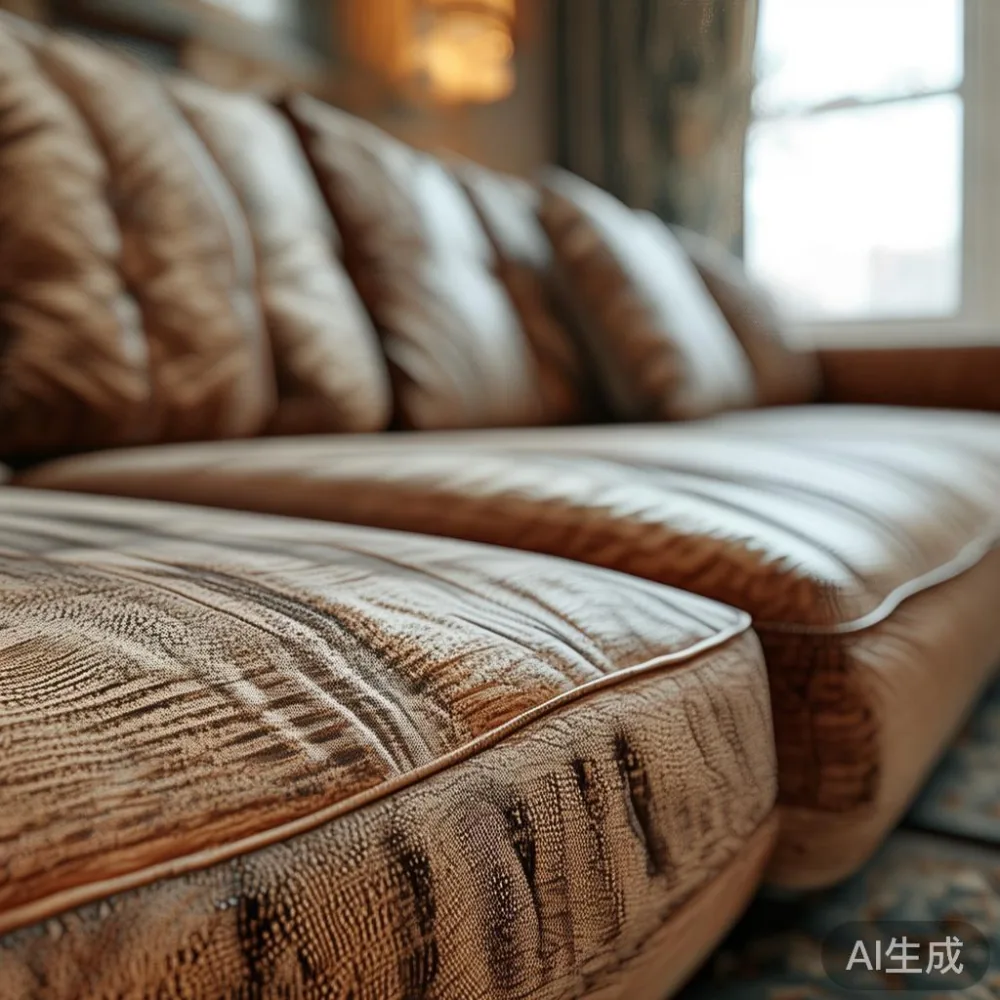
Understanding the Materials: What Are We Actually Comparing?
Before diving into the costs, it's important to understand what these terms mean in the context of a sectional sofa. Solid wood furniture, like that crafted by Foshan-based makers since 2008, is constructed from a single piece of lumber, such as oak, walnut, or mango wood. This piece is shaped and sanded to create the frame and visible components. It is durable, can be refinished multiple times, and ages gracefully, developing a unique patina over the years. A solid wood sectional sofa offers a tangible, natural feel and a sense of permanence.
Veneer, on the other hand, is a thin layer of real wood (often just 0.6mm to 2mm thick) glued onto a substrate, which is typically a less expensive engineered wood like MDF (Medium-Density Fiberboard) or plywood. The purpose of veneer is to provide the aesthetic of solid wood at a lower material and manufacturing cost. While a high-quality veneer can be beautiful and durable, its long-term performance is fundamentally different from solid wood, especially in Singapore's climate of high humidity and temperature fluctuations.
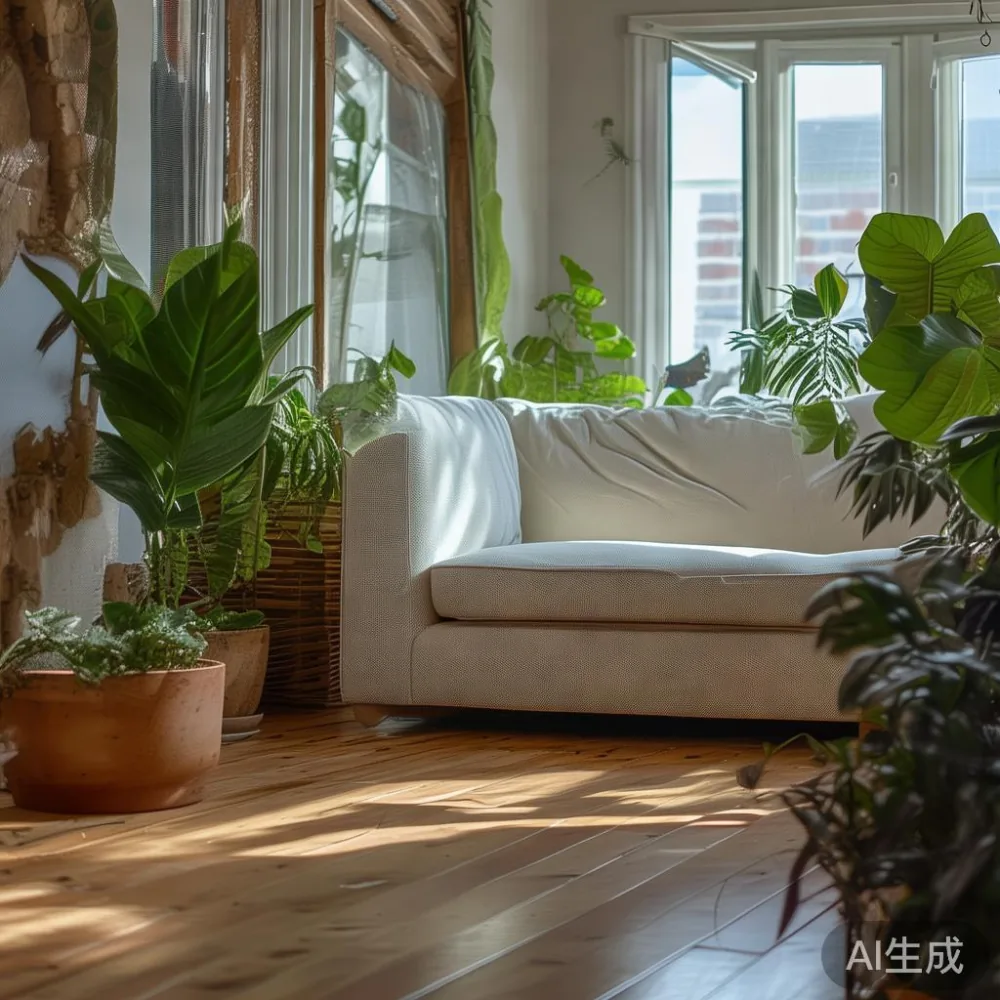
Initial Investment: The Upfront Cost of Your Sectional Sofa
The most obvious difference between the two materials is the initial purchase price. Let's model this comparison with a popular 3-seater L-shaped sectional sofa configuration, a common size for Singapore living rooms. We will use Singapore Dollar (SGD) for all pricing, which includes the current 9% Goods and Services Tax (GST).
A solid wood sectional sofa, made from a durable hardwood like oak, would typically start around SGD 4,500. This price reflects the higher cost of raw materials and the more labour-intensive construction process. For example, a solid oak frame requires skilled joinery and hand-sanding, which takes significantly more time than assembling an MDF frame. This initial investment buys you a piece of furniture that is built to last for decades.
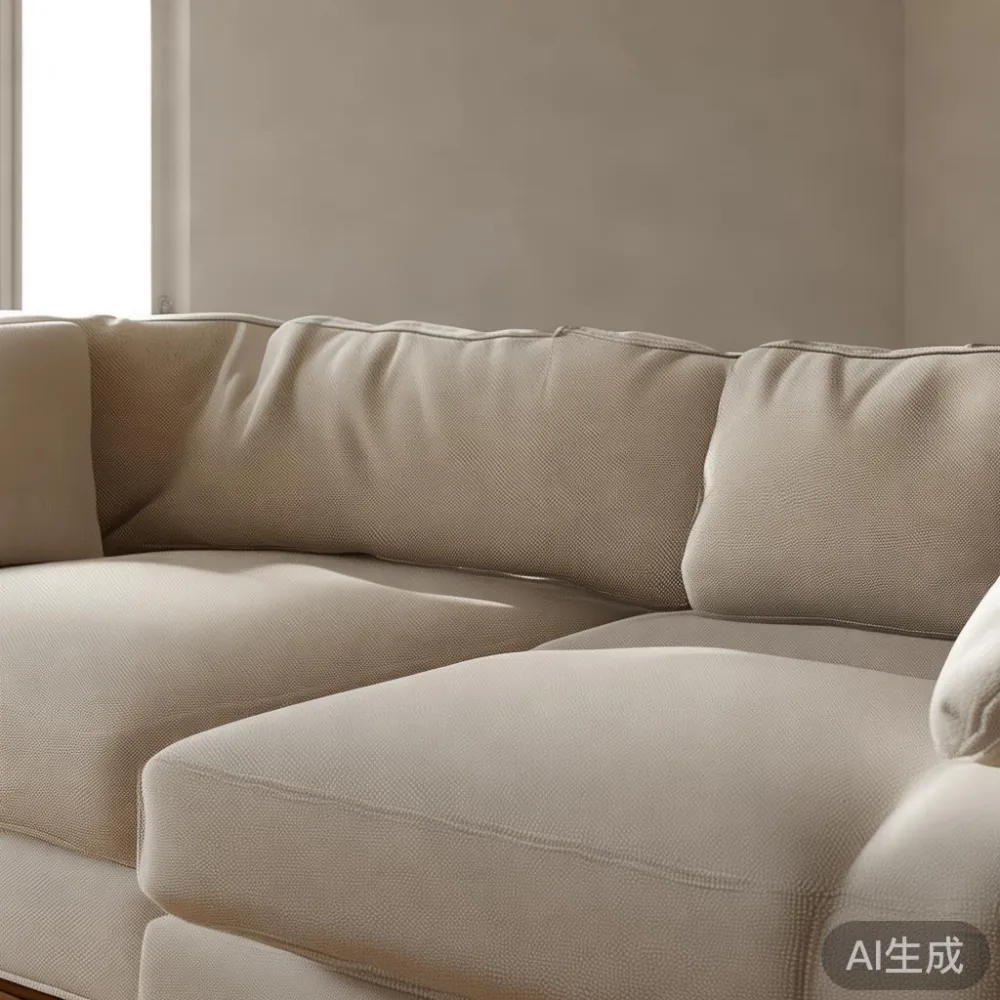
In contrast, a veneer sectional sofa of the same size and style would have a lower initial cost. You might find a comparable piece for around SGD 2,800. The savings come from using engineered wood for the main structure and applying a thin wood layer. This lower price point is very attractive, especially for those furnishing a new home or on a tighter budget. However, this is where the financial story begins to diverge.
Year 1-2: The Cost of Ownership and Lifestyle
The first couple of years are where the initial savings of a veneer sofa might seem to hold up. Both types of furniture should function well under normal use. However, subtle differences can start to emerge, particularly in a Singaporean context.
For residents in HDB flats, working through narrow corridors and lift lobbies is a reality. A standard sectional sofa with a depth of 90cm and a width of 220cm is common. The solid wood construction, while heavier (potentially weighing 60-70kg compared to a veneer's 40-50kg), offers superior structural integrity. It is less likely to suffer from internal joint stress when being moved. My colleague, Sarah, who lives in a Bedok HDB, recounted her experience last month. She bought a veneer sectional sofa and had to partially disassemble it to get it through her 80cm wide corridor. The MDF frame showed signs of stress at the joints during the move, whereas a solid wood frame would have likely handled the maneuver without issue.
Environmentally, solid wood holds an advantage. A solid wood frame is made from a natural, renewable resource. Veneer relies on engineered wood, which often contains formaldehyde-based resins, contributing to indoor air quality concerns. For health-conscious homeowners, the peace of mind from a solid wood sofa is a value that isn't reflected in the price tag but is a part of its long-term cost-benefit analysis.
Year 3-4: The Turning Point – Repairs and Refinishing
This is where the financial comparison shifts dramatically. By year three, a veneer sectional sofa in a Singaporean home will likely start showing its age. The high humidity can cause the substrate (MDF or plywood) to swell and warp. This internal stress often leads to the veneer layer cracking, chipping, or peeling at the edges and corners. A small chip on an armrest might seem minor, but it exposes the engineered wood underneath, which is susceptible to moisture damage and looks unsightly.
p>Repairing veneer is a difficult and costly process. A professional furniture repair service in Singapore might charge SGD 150 to SGD 300 for a small repair patch. However, the colour and grain match can be inconsistent, leaving a visible blemish. If the damage is more extensive, such as a large peeling section on the side of the sofa, the cost can escalate to SGD 500 or more. Also, if the MDF frame itself warps, the entire sofa can become unstable, a problem that is often impossible or prohibitively expensive to fix.A solid wood sectional sofa, however, is built to withstand this kind of use. The natural wood can expand and contract with humidity without structural failure. While it may show some wear and tear, such as minor scratches or a dulling of the finish, it does not delaminate. The finish can be restored. Many reputable manufacturers, including those with a 10-year structural warranty, offer lifetime refinishing services. For a solid wood sofa, the cost of rejuvenating it in year four might be as simple as a professional deep clean and reapplication of a protective oil or wax, costing around SGD 200. This restores its original beauty without compromising its integrity. This resilience is a cornerstone of light luxury design, where quality and longevity are paramount.
How Much Does a Damaged Veneer Sectional Sofa Really Cost to Replace?
By year five, the veneer sectional sofa is often in a state where repair is no longer a viable option. The cumulative effects of humidity, daily use, and previous repairs leave it looking worn and potentially structurally unsound. The homeowner is now faced with the full cost of replacement, which includes not just the new sofa but also the ancillary expenses.
Let's calculate the true 5-year cost of the veneer path. The initial purchase was SGD 2,800. Add two minor repairs at SGD 200 each: SGD 400. By year five, the sofa is beyond repair. The replacement cost for a new sectional sofa of similar quality is again SGD 2,800. This brings the total expenditure to SGD 2,800 + SGD 400 + SGD 2,800 = SGD 6,000 over five years.
Now consider the solid wood path. The initial investment was SGD 4,500. In year four, the owner spends SGD 200 on a professional refinishing service to keep it looking like new. The sofa is in excellent condition, structurally sound, and aesthetically pleasing. The total expenditure over five years is SGD 4,500 + SGD 200 = SGD 4,700.
The difference is stark. Over five years, choosing the veneer sectional sofa costs SGD 1,300 more than choosing a solid wood one. This calculation doesn't even factor in the inconvenience of arranging repairs or the hassle of replacing a large, heavy piece of furniture. The value of a sectional sofa that remains a beautiful and functional part of your home without constant worry is a significant, albeit unquantifiable, saving.
Why Solid Wood Aligns with Light Luxury Living
The concept of light luxury—be it French, American, or post-modern—is not just about aesthetics; it's about a philosophy of quality, comfort, and enduring style. A solid wood sectional sofa embodies this philosophy. Its natural grains and textures bring warmth and character to a space, creating an atmosphere of understated elegance. This approach to furnishing is often described as 'designer European light luxury furniture', where the material's honesty is celebrated.
Consider a post-modern light luxury living room. The sectional sofa is the anchor, a sculptural piece in rich walnut or oak. It complements a marble-topped coffee table and a minimalist media unit. The solid wood of the sofa provides a grounding, organic contrast to the sleek lines and hard surfaces. This harmony is difficult to achieve with veneer, which can sometimes feel artificial or lack the depth of natural wood. The longevity of solid wood also ensures that your investment in light luxury design continues to pay off for years, maintaining its value and appeal.
For those who appreciate finer details, the choice extends to other furniture. A solid wood bed frame or a dining table offers the same long-term benefits. The principles are the same: a solid wood wardrobe, like a 'MIDHILL French provincial wardrobe', offers timeless beauty and durability that a veneer alternative cannot match. Learning 'how to style light luxury wardrobe in room' becomes easier when the piece itself is a statement of quality. Similarly, when you consider 'how to choose European bed', the material's integrity should be a primary factor, just as it is with a sectional sofa. The pursuit of the 'best Boho bed for 2026' or any other style should always be rooted in the material's ability to withstand the test of time, ensuring your home remains a sanctuary of comfort and style.
Making the Smart Choice for Your Singapore Home
When furnishing a Singapore home, whether it's a cosy 4-room HDB flat or a spacious condo, every decision has a long-term impact. The sectional sofa is a central piece of furniture, and its material choice affects your budget, your home's aesthetic, and your daily comfort. The 5-year cost comparison clearly shows that while veneer may offer a lower initial price, the cumulative costs of repairs and eventual replacement make it the more expensive option in the long run.
A solid wood sectional sofa represents a smarter, more sustainable investment. Its higher upfront cost is offset by its durability, ease of maintenance, and longevity. It is a piece of furniture that you can enjoy for decades, potentially passing it down, rather than one that needs to be replaced every few years. For those seeking quality and peace of mind, solid wood is the superior choice. It is an investment in your home and your lifestyle, one that pays dividends in comfort, beauty, and financial sense for years to come. For those looking to explore this further, resources like 'midhill.co' can provide more insight into the craftsmanship and philosophy behind solid wood furniture.
European for Small Living Room: Maximising Space with Quality
Living in Singapore often means making the most of limited space. The challenge is to furnish a small living room without it feeling cramped or cluttered. This is where the concept of 'European for small living room' design becomes particularly relevant. This style emphasises clean lines, functional forms, and high-quality materials that make a space feel larger and more sophisticated. A well-designed sectional sofa is central to this approach. A solid wood sectional sofa, with its streamlined profile and honest materials, can serve as a focal point without overwhelming the room. Its presence feels substantial yet refined, contributing to an airy, uncluttered aesthetic that is characteristic of European-inspired design. Choosing a high-quality piece ensures that even in a compact space, your furniture remains a source of pride and comfort, rather than a compromise.