Caring for a Lacquered Surface in a Tropical Climate
I still remember standing in a Tampines HDB lift last month, watching two delivery men angle a brand-new sectional sofa wrapped in thick quilted blankets. The lift interior was 1.1 m wide and 1.2 m deep, and the carton was almost touching both walls. By the time it reached level 12, one of them laughed, "Brother, lacquered furniture and Singapore weather, ah — the customer better buy a dehumidifier." He was not wrong. Lacquer is one of the most beautiful finishes you can put on a solid wood sofa, a bed frame, or a dining table, but it behaves very differently here than it does in a temperate showroom in Foshan or Milan. This guide is built around the conditions you actually live in: a four-room HDB in Bedok with afternoon sun, a condo in Punggol with floor-to-ceiling glass, a lift that measures exactly 1.0 m by 1.4 m, and an air-con that runs about six hours a day at 23°C before the compressor cuts out.
Why does lacquer behave so differently in Singapore?
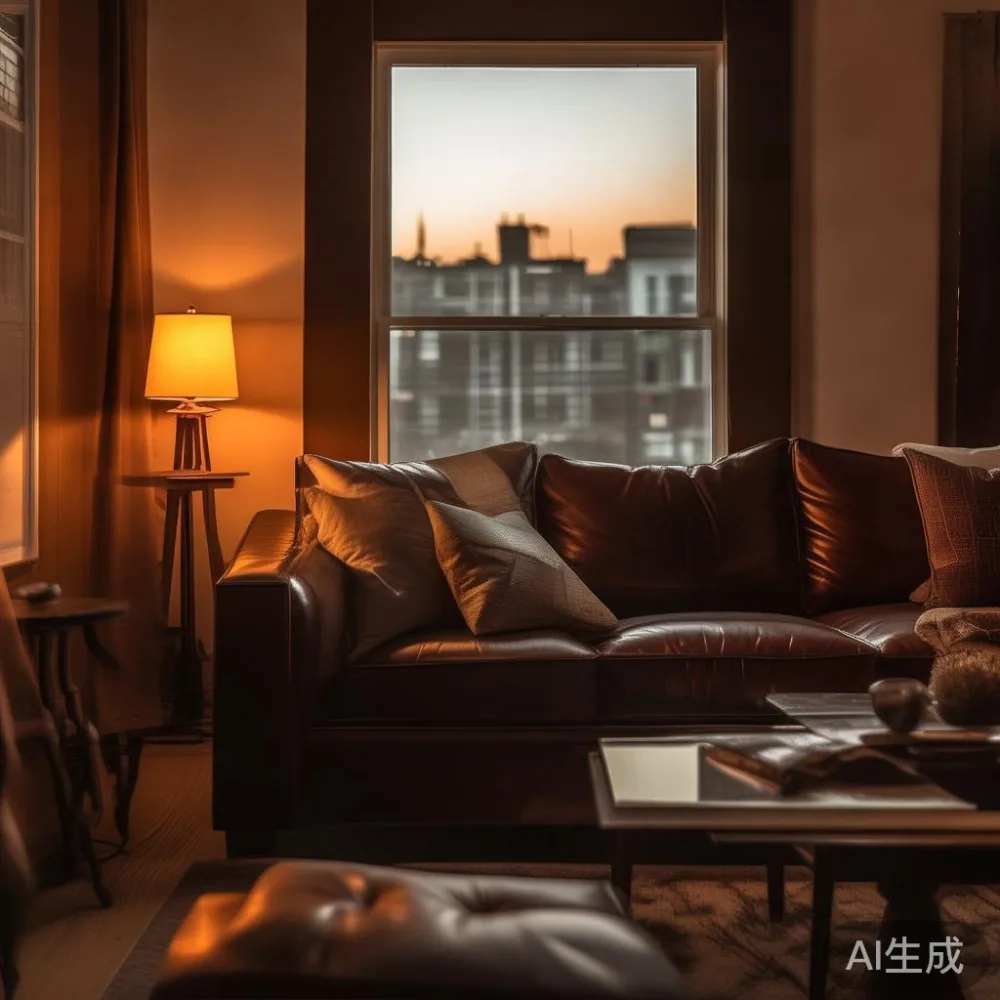
Lacquer is a film finish. It sits on top of the wood as a continuous skin, roughly 80 to 120 microns thick on a well-finished piece. That skin reacts to three things: heat, humidity, and UV. On a sectional sofa frame, the lacquer is doing two jobs at once — sealing the wood fibres and creating the soft sheen you can see under a Punggol LED downlight. In a tropical climate, average relative humidity sits between 75% and 90% for at least eight months of the year, and indoor temperatures near a west-facing window can climb past 33°C by 4 pm. The wood under the lacquer — typically rubberwood, ash, or white oak on a solid wood sofa from MIDHILL — absorbs and releases moisture every single day. The lacquer film stretches with it, but only up to a point.
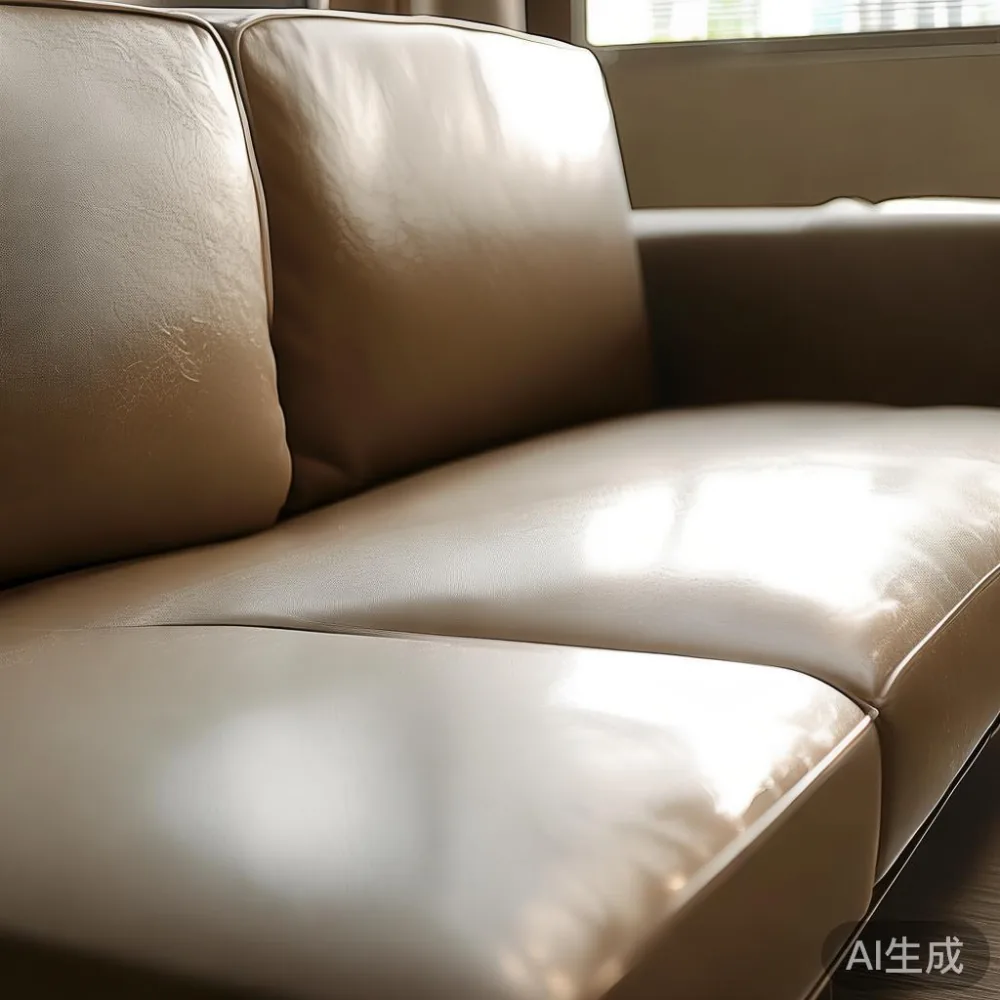
What you see when the film loses that battle is called blushing: a milky haze, usually around joints, that will not polish out. You may also see hairline splits along the grain, especially on wide surfaces like a 1.8 m dining table or a 2.0 m wardrobe door. None of this means the piece is ruined. It means the finish is asking for a calmer environment.
What humidity level should I keep my home at?
Aim for 50% to 60% relative humidity, and never let the reading climb above 65% for more than a few days in a row. Indoor temperature should sit between 22°C and 26°C. A basic hygrometer costs S$12 to S$25 at any Tampines Shopping Mall electrical shop, and it is the single best S$20 you will spend on protecting any lacquered sectional sofa, bed frame, or nightstand in your home. Place the meter on a side table, away from direct sunlight, and log the readings for a week. You will quickly see the pattern: humidity peaks around 6 am when the air-con cuts out, and again around 7 pm when you open the balcony door to let the breeze in.
If you do nothing else, do this: run the air-con for at least four continuous hours in the evening, close the bedroom door, and let the room drop to 23°C. A small dehumidifier set to 55% in the living area does the rest. For a standard four-room flat of about 90 sqm, a 12 L/day compressor dehumidifier (around S$229 to S$319 from a local electronics chain) is plenty. For a 120 sqm condo in Punggol or River Valley, step up to a 20 L/day unit (S$349 to S$459). The electricity draw is roughly 0.3 to 0.5 kWh per hour, which adds about S$15 to S$22 to your monthly bill at current SP Group tariffs.
How do I clean lacquer without damaging it?
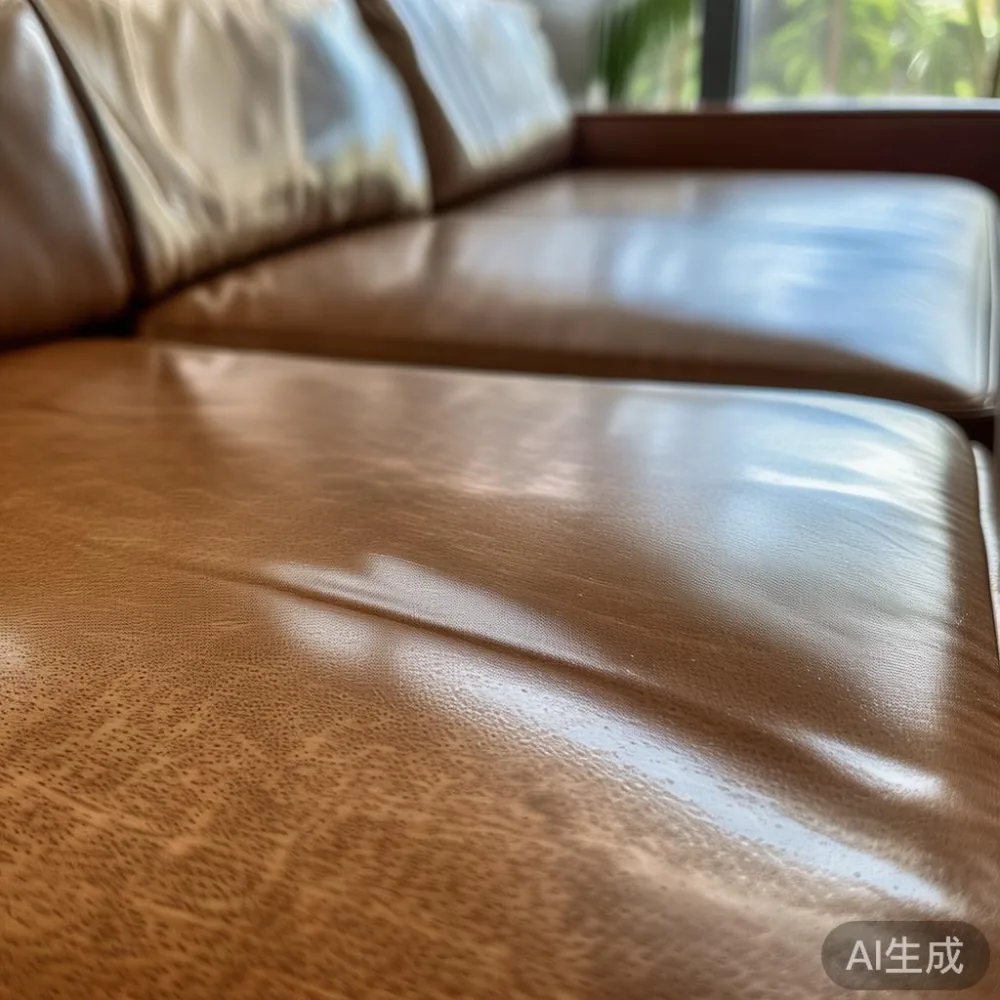
Use a soft microfibre cloth, lukewarm water, and a pH-neutral soap — three drops of plain dish liquid in 500 ml of water is enough. Wring the cloth until it is almost dry. Never spray anything directly onto the lacquer, because the runoff finds its way into the mitred joints of a sectional sofa frame and leaves a tide mark. Wipe along the grain, not across it. Dry the surface with a second cloth within 60 seconds. For the inevitable fingerprint on the armrest of a solid wood sofa, a tiny amount of neutral wood polish (about a 5 mm dab on the cloth, not the wood) restores the sheen in about 90 seconds. Avoid silicone-based products entirely. They look brilliant on day one and hopeless on day 200 because they trap moisture underneath.
Do not use any of the following, even if a relative swears by them: vinegar, lemon oil, olive oil, baking soda paste, Magic Eraser, acetone, furniture polish containing silicone, wax-based polishes on a high-gloss lacquer, or any "all-purpose" cleaner that foams. I tested a popular foaming cleaner on a scrap panel of MIDHILL lacquer last quarter — within 15 seconds the surface went matte, and within 24 hours a milky ring had formed where the foam had pooled. The panel was a display sample, not a customer piece, but the lesson stuck: foam + lacquer = permanent damage.
Is a loveseat worth the price in Singapore?
Yes — a well-built loveseat is worth the price in Singapore, provided you pick the right size, the right wood, and the right finish for a compact HDB or condo layout. A two-seater loveseat at 1.4 m to 1.6 m wide fits cleanly into a 3.0 m by 2.8 m living room in a Bedok four-room flat, leaves at least 80 cm of walking corridor on one side, and still allows a 1.2 m television console opposite. At MIDHILL, a solid-wood loveseat with a hand-rubbed lacquer finish sits between S$1,490 and S$2,180 before GST; the same frame in an Italian light luxury marble wood finish, with a slim Carrara-style marble top tray on one arm, lands at S$2,580 to S$3,360 inclusive of GST. That puts a complete living-room set — loveseat, two single chairs, a 1.2 m marble coffee table, and a TV console in matching lacquer — at roughly S$5,800 to S$7,400, well below the S$12,000 to S$18,000 a comparable American light luxury set would cost at a high-end local retailer. For an HDB or condo where every centimetral count is, a loveseat is the most space-efficient way to bring solid-wood craftsmanship into the room without giving up walking room.
How should I move a lacquered sectional sofa through a HDB lift?
Measure first, photograph second, move third. HDB lifts come in three common sizes: 1.0 m by 1.2 m (older blocks, pre-1990), 1.1 m by 1.3 m (typical 1990s–2010s), and 1.1 m by 1.4 m (newer BTOs and most resale flats). The corridor outside your unit is usually 1.2 m to 1.5 m wide, with a 90-degree turn at the stairwell. A boxed sectional sofa module is typically 0.95 m to 1.15 m wide, 0.85 m to 1.05 m deep, and 0.65 m to 0.75 m tall, and weighs 38 kg to 55 kg per carton. Two cartons stacked on a trolley will not fit through a 1.0 m by 1.2 m lift door diagonally. You either need a single carton per trip, or you need to tip the carton on its side, which the packaging team will only do if the frame is fully wrapped in 8 mm foam corners and a double-walled carton.
Book the lift with your neighbours the day before. Most HDB blocks allow a 45-minute reserved booking for a S$30 administrative fee; condo management typically charges S$50 to S$120 for a 60-minute reserved-slot service. If you order from MIDHILL, the delivery team arrives with a laser measure, blanket wraps every corner, and confirms the lift clearances on-site before they start. I watched a delivery in Punggol last month where the team had to break down a 2.4 m L-shape into three separate modules because the corridor turn was only 1.3 m wide — the customer was relieved, because the alternative was a S$180 crane rental to lift the sofa over the balcony.
Can lacquer be repaired, or do I have to replace the piece?
Lacquer can almost always be repaired, and repair is always cheaper than replacement. A small scuff on a nightstand top — the kind caused by a ceramic vase dragged across the surface — is a S$60 to S$120 on-site touch-up at most furniture workshops in Singapore. A larger blush or white ring on a dining table surface is a S$180 to S$280 strip-and-recoat, where the affected panel is sanded back with 400-grit and 800-grit paper, sealed with two coats of nitrocellulose or PU lacquer, and polished back to the original sheen. A full re-lacquer of a four-seat sectional sofa frame, including the back panels and the underside, runs S$420 to S$680 depending on the surface area, and is the kind of work MIDHILL offers as a lifetime refinishing service on every piece sold since the workshop opened in 2008. Replacement, by contrast, means a new frame at S$1,800 to S$3,800, delivery again at S$80 to S$160, and another 14-day return window to manage. The math almost always favours repair.
What about marble, wardrobes, and dining tables — do they need the same care?
Marble needs a different routine but the same logic. A marble table top — Carrara, Calacatta, or the lighter Turkish grey stocked by most light-luxury makers — is calcium carbonate. Acid attacks it. So the citrus juice, the soy sauce splash, the vinegar from your cleaning cloth will all etch a marble top within 30 seconds if left wet. Wipe spills immediately, use coasters under every glass, and seal the marble once a year with a penetrating stone sealer (S$28 to S$45 for a 500 ml bottle). A wardrobe door in a bedroom that faces the morning sun should be treated like a lacquered bed frame: keep humidity at 55%, dust with a dry microfibre cloth weekly, and avoid any silicone polish on the mirror or glass inserts. For a 1.8 m dining table, rotate the table 90 degrees every quarter so the same edge is not always facing the window — UV bleaches in line with the sun's path, and rotation evens the fade.
How do I place an order if I am renovating in Singapore?
Plan the delivery for at least seven days after your final coat of paint, so the paint odours and solvents have time to off-gas — they will cloud fresh lacquer if the piece arrives too soon. Confirm the lift dimensions with your condo management or HDB branch office, send those numbers to the furniture maker, and ask for a written delivery plan that lists carton sizes in cm and weights in kg. For a MIDHILL order above US$350 (about S$480), sea-and-land shipping to Singapore is included, GST is calculated at the current 9% rate at customs clearance, and delivery from the Singapore bonded warehouse to your door adds another 7 to 12 working days. The 14-day return policy applies from the day of delivery, not the day of order, so time your renovation handover accordingly. And ask about the 10-year structural warranty on every joint — a properly built sectional sofa from a workshop that has been exporting to 15-plus countries since 2008 will outlive three air-conditioners and at least two sets of upholstery.
A short checklist you can pin to the fridge
Keep humidity between 50% and 60%. Keep indoor temperature between 22°C and 26°C. Wipe lacquer with a barely damp microfibre cloth, then dry within 60 seconds. Never use foam cleaners, silicone polish, vinegar, or Magic Eraser. Rotate dining tables 90 degrees every quarter. Book the lift before delivery day. Reserve a 45- to 60-minute slot. Photograph the lift and corridor before the team arrives. Keep marble coasters under every glass. Reseal marble once a year. And if the lacquer does pick up a scuff or a blush, call a workshop that does lifetime refinishing rather than living with the damage or, worse, replacing the whole frame. A solid-wood sectional sofa, bed frame, or dining table built in 2008 and finished in a calm workshop in Foshan is engineered to outlast the weather outside your window — give it the right environment inside, and it will outlast the next renovation, too.