How to Match Furniture to a Warm Minimal Interior
A warm minimal interior is not an empty room. It is a room with enough breathing space for proportion, texture and light to do the work. In a Singapore HDB flat or condo, that balance needs to begin with the dimensions you control: the floor plan, the lift door, the corridor turn and the 230 cm passage beside the dining table. A sectional sofa can make those modest spaces feel generous, but only when its scale, frame and visual weight are considered before checkout.
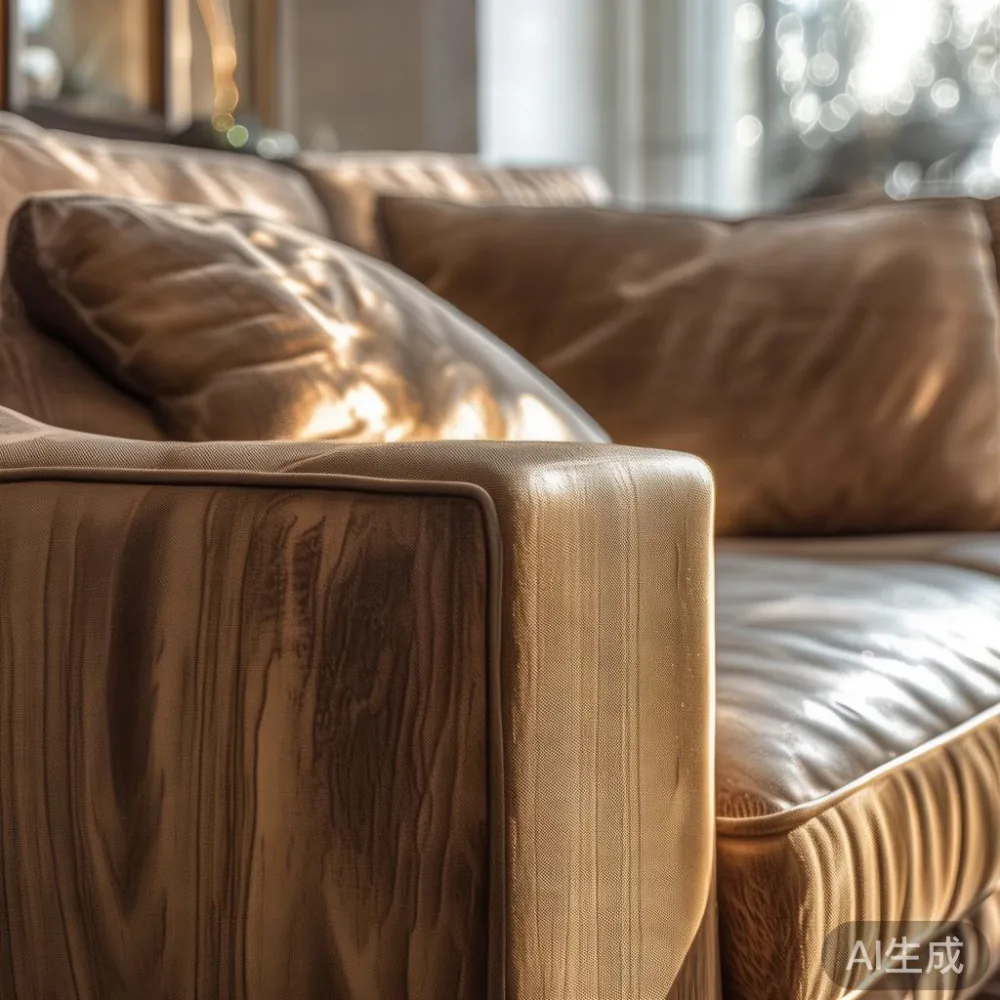
At MIDHILL, the practical side of furniture design matters as much as the finished appearance. Our solid wood sofa frames carry a 10-year structural warranty, while lifetime refinishing helps owners maintain them over many years. For shoppers planning a full room rather than one isolated purchase, our solid wood bed frame, dining table, wardrobe, nightstand and marble table collections share the same restrained design vocabulary without making every room look identical.
The following guide explains how to match furniture to a warm minimal interior, with measurements for Tampines, Bedok and Punggol homes. Prices are shown in SGD and include Singapore GST, where applicable, so the figures can be used against a real furnishing budget.
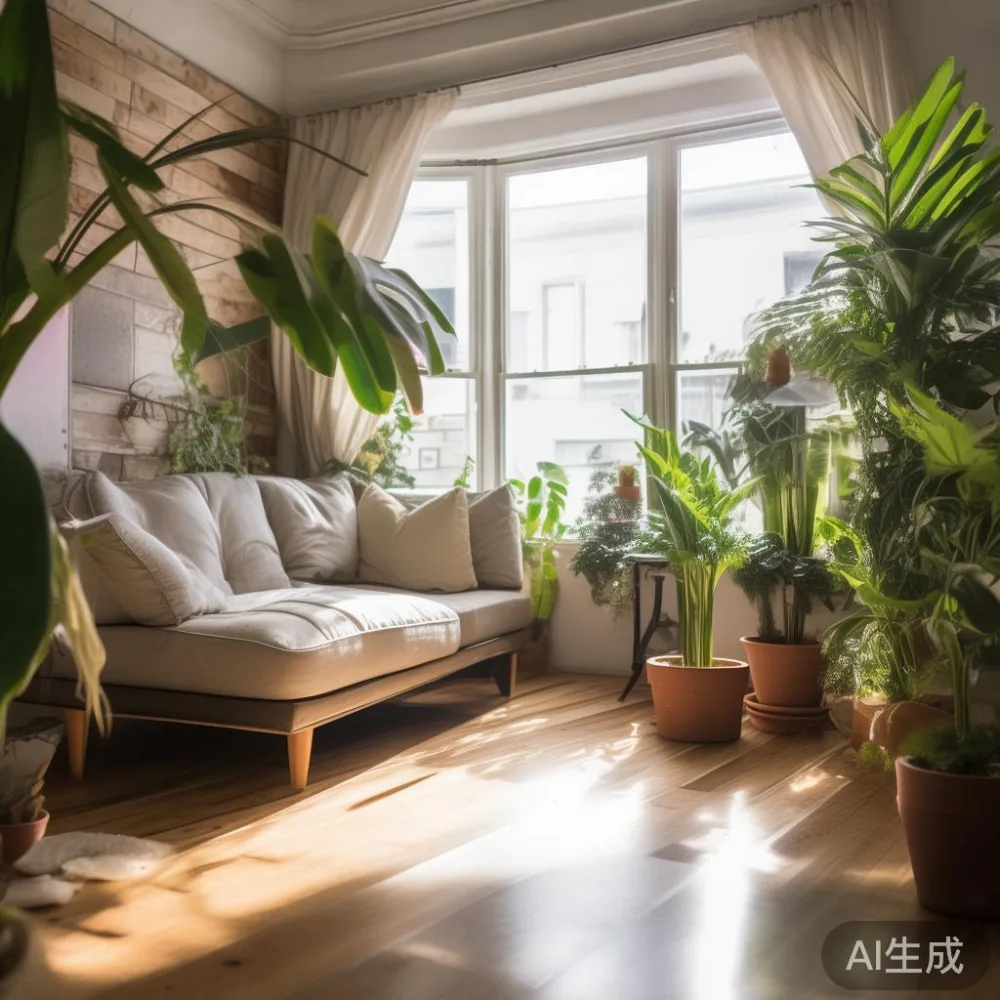
What makes a warm minimal interior work?
Warm minimalism relies on contrast. Pale walls and a limited palette establish calm; oak, walnut, ash, linen, bouclé and brass prevent it from feeling clinical. The best results come from balancing hard and soft materials, not from filling every open area with another object.
Start with a wall and flooring palette rather than individual products. For example, warm white walls at 2 m height can be paired with light oak flooring and oatmeal upholstery. Darker timber should occupy less than about 30 percent of the visible surface. In an HDB living room measuring 4.2 by 3.6 m, that ratio can be achieved with a medium-toned solid wood sofa frame, a pale rug and one walnut accent table.
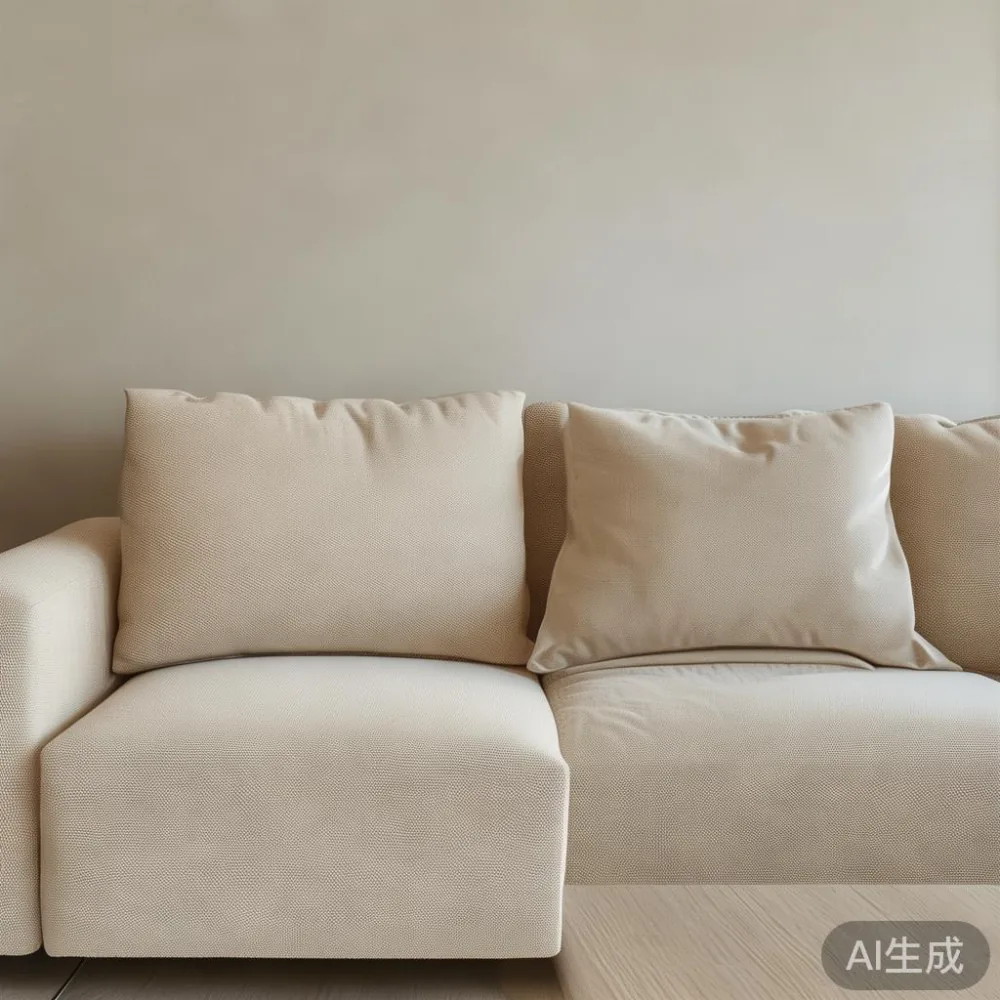
Light is equally important. A 900 mm ceiling can feel taller with curtains beginning 15 cm above the floor and a mirror no wider than 80 cm. Use lamps with warm 2700–3000 K light rather than a single cool ceiling source. In a Bedok condo with north-facing windows, adding 3 lamps at approximately 800, 600 and 400 lumens can create gentle pools of light without enlarging the room.
Texture provides the warmth that minimal decoration often removes. A 5 mm wool rug, washed-cotton cushions and a solid wood tray are enough. Keep the display to three material families: wood, woven fabric and metal. This is where designer light luxury furniture can fit into a warm minimal home: not through ornate detailing, but through precise joints, quiet profiles and tactile finishes.
How large should a sectional sofa be for an HDB flat?
Measure the usable wall, not simply the length of the room. Leave 90 cm as a practical minimum for a walking route beside a sectional sofa, although 75 cm may be acceptable in a rarely used zone. A sectional extending 20–30 cm beyond the wall can look intentional, but a narrow circulation path should never depend on squeezing sideways.
For a typical 3.6 by 4.2 m HDB living room, a 220–250 cm sectional sofa is usually proportionate. An L-shaped arrangement with 165–180 cm on one side and 220–250 cm on the other can create two clear seating positions without occupying the dining zone. A compact 200 cm two-seat sectional may suit a smaller 3 m by 3.6 m room, but check the depth of the coffee table before ordering.
Seat depth affects comfort more than many shoppers expect. A 58–62 cm seat gives an average adult a relaxed posture, while a 52–55 cm depth saves space. Seat height of 40–43 cm also makes a sectional easier to use. If children or older adults use the sofa, choose a firmer cushion with a 44–46 cm height rather than a very deep, low profile.
Back height affects the room visually. A 76–82 cm back leaves the wall visible above it and feels more suitable for HDB interiors. A 90 cm back can work in a larger condo living room, especially with a ceiling above 2.7 m. Low-profile solid wood sofa frames can create a grounded appearance, but the arms should not exceed the available sofa width by more than 5 cm on each side.
For homes where the lift and corridor are restricted, record the narrowest point before selecting the largest configuration. A standard Singapore lift door may be around 90 cm wide, while the usable cabin depth varies by building. The sofa should be delivered as modular sections no longer than 90–110 cm where possible. This also reduces the risk of scraping a 80–85 cm corridor turning corner.
How do you move a sectional sofa into a Punggol condo?
Ask the building for the lift dimensions, the distance from the lift lobby to the front door, and the narrowest corridor or turn. The doorway alone is not enough: a sectional can pass a door and still fail at the corridor bend.
Measure the sofa at its widest assembled point, then plan to carry each module separately. For example, a three-module sectional with individual sections measuring 78 by 95 by 72 cm can enter through a 90 cm lift door diagonally. The combined 234 cm width never needs to pass through the opening. Remove the legs only if the manufacturer permits it, protect corners with 3 mm foam, and use 2–3 people for modules above 25 kg.
Last month, I visited a Punggol condo with a 90 cm lift and a tight 85 cm lobby turn to see how this worked in practice. The original sofa had a 210 cm continuous frame and could not clear the corner without damaging its arms. A modular sectional with two 74 cm and one 82 cm sections moved through in about 18 minutes. The relevant measurement was the module, not the assembled product.
Book a delivery slot with at least 24 hours’ notice, especially for lift bookings. Standard Singapore delivery commonly takes 7–14 days after the item is ready, while made-to-order pieces can take 6–10 weeks. Confirm whether the quoted service includes carrying the package to the door, unpacking and placing it in the room. Lift reservation fees and extra handling should be agreed before delivery day.
Which wood tone belongs in a warm minimal home?
Oak offers a pale, quiet grain that works with warm white walls and neutral textiles. Walnut adds stronger contrast and is better repeated in smaller doses. Teak can bring a golden warmth, while ash gives a lighter appearance. The tone should relate to the floor: light oak furniture on light oak flooring may disappear, so vary the grain direction or introduce a contrasting rug.
A useful rule is to repeat each major material in at least three visible places. One walnut nightstand alone can look accidental; a walnut nightstand, solid wood bed frame and matching dining table create continuity. Avoid matching too many items in one dark tone, however, because the room can lose its sense of openness.
For a dining zone in a 3 m wide HDB dining room, a 140–160 cm dining table generally leaves 70–80 cm on either side. A 200 cm table needs at least a 3.4 m room to preserve a comfortable chair pull-out zone. MIDHILL dining table options should be compared by top thickness, apron clearance and the number of diners rather than by length alone. A 75 cm high table allows approximately 27–30 cm of leg clearance, while a 76 cm height can suit slightly longer dining sessions.
Lighting can change the apparent colour of timber. Photograph your room at noon and again at 8 pm before making a decision. A sample board that looks beige under office lighting may appear honey-coloured beside warm lamps. Warm minimal interiors work best when the timber has visible grain, restrained sheen and a finish that can be renewed rather than replaced.
Should the rest of the furniture match the sectional sofa?
They should share proportion and attitude, not necessarily colour. A low, rectilinear sectional sofa with square legs can sit comfortably with a solid wood bed frame that has slim rails and minimal hardware. A rounded sofa may suit a dining table with softened corners. The repeated idea matters more than identical styling.
Keep coffee tables within 35–45 cm of the sectional sofa edge for reach and circulation. For a 220 cm sectional, a 90 by 55 cm table provides space for cups and a book without requiring constant leaning. A marble table can be a striking centrepiece, but its cool veining needs warmer elements nearby: timber, rust-coloured cushions or a woven runner. A 3–5 cm overhang on a marble-top table gives the edges a lighter appearance, while a solid wood base adds warmth.
For storage, a 120–150 cm wardrobe may suit a compact bedroom if it is 55–60 cm deep. Wall-mounted sliding doors can avoid interference with a bed frame, but their tracks require 8–12 cm of ceiling clearance. At night, place a 45–50 cm wide nightstand beside a 160 cm or 180 cm bed. The top should be 5–8 cm lower than the mattress top for easier reach.
When a spare room must serve as both study and guest room, the Japandi for guest room approach is particularly practical. A 90 cm solid wood bed frame, 35 cm bedside table and 40 cm wall shelf can look composed while preserving a 70 cm route. Use one spare cushion that can double as back support, and keep the desk clear of the bed by at least 75 cm.
Can I mix French provincial details into a warm minimal room?
Yes, but treat French provincial as a detail rather than a complete theme. Curved arms, upholstered buttons or shaped drawer fronts can soften a solid wood sofa or dining table. Keep the rest of the room plain so the reference remains recognisable without making the space feel decorated.
The same restraint applies to an office. French provincial for office choices can include a bevelled writing desk, a modest apron and discreet brass pulls. Avoid dense carved panels beside a minimalist sectional sofa. One French-inspired dining chair, repeated in a pair, is usually enough.
For a more architectural approach, consider modern European light luxury furniture with clear edges and balanced ratios. For stronger stone and craftsmanship cues, designer Italian light luxury furniture can appear through a marble table, refined bronze hardware and a carefully proportioned dining setting. The aim is coherence, not a catalogue of labels.
How do you choose light luxury bed for a small bedroom?
The question of how to choose light luxury bed for a small bedroom should begin with the mattress size and the room’s clearances. A 150 cm queen bed needs about 75 cm on one side for a nightstand and roughly 60 cm on the other for passage. A 180 cm king bed needs closer to 90 cm on at least one side in an HDB bedroom.
Choose a solid wood bed frame with a stable slat system, not an oversized decorative headboard. A headboard extending 5–10 cm beyond the mattress width creates a finished appearance, while adding 15 cm on each side can make the room feel constrained. The frame height should leave about 25–30 cm between the mattress and the side rail for bedding access.
Check the wardrobe interaction before ordering. A 180 cm bed needs at least a 60 cm path to a wardrobe door opening. If the bed frame is 190–210 cm long, allow another 60–75 cm for a bedside route or chair. In a compact Tampines flat, a 150 cm bed frame may be the only size that supports an open wardrobe door without pinching the circulation route.
Light luxury here should be felt through material and construction rather than decoration. Look for flush joints, smooth edges and a stable centre support. If the bed requires a box spring, confirm its exact dimensions; otherwise, use the mattress profile specified by the bed maker. A 10-year structural warranty gives useful reassurance, but the right size and clear installation route matter just as much.
What should a warm minimal room cost in Singapore?
A realistic Singapore budget varies with the size of the home and whether pieces are ready-made or custom. The following figures provide planning ranges in SGD, including GST where charged. A compact solid wood sectional sofa may begin around SGD 1,800 and rise to SGD 4,800 as width, timber, upholstery and detailing increase. A medium 3-seat sectional sofa with a solid wood frame can fall between SGD 2,600 and SGD 5,600.
A 140–160 cm solid wood dining table is typically around SGD 1,200–3,200. A solid wood bed frame generally ranges from SGD 900 to SGD 2,600, while a 120–150 cm wardrobe may cost SGD 1,500–4,000. A marble-top table can range from approximately SGD 1,800 to SGD 6,500 depending on stone, base and dimensions. Nightstands often fall between SGD 280 and SGD 950 each.
For a furnished HDB living and dining room, allowing SGD 6,500–12,000 can cover a sectional sofa, dining table, bed frame, wardrobe and supporting pieces. A larger condo scheme may begin around SGD 15,000. These are ranges rather than quotations; finishes, custom sizing and delivery access can change the final amount.
Compare the full delivered price, including Singapore GST, lift fees and assembly. MIDHILL offers free shipping on orders over US$350, but international thresholds do not replace clear information about local delivery charges. Returns are accepted within 14 days for eligible unused goods, so inspect dimensions and finish before confirming.
How can warm minimal furniture still feel personal?
Personal character comes from rhythm, not quantity. Arrange cushions in pairs, then add one contrasting 40 by 40 cm cushion. Hang art 15–20 cm above a sofa, provided the total frame width does not exceed two thirds of the sectional sofa width. A 45–60 cm vase or 25–35 cm stack of books can soften an empty corner without creating visual clutter.
For a warm palette, consider oatmeal, camel, clay, sand, muted olive and rust against warm white. Keep metallic accents to matte brass or dark bronze rather than mixing several finishes. If a marble table is present, repeat its base tone in the coffee table or lighting. If the room is dominated by wood, introduce woven fibres to prevent the surfaces from merging.
Check the finished room from the doorway and then from the main seat. A sectional sofa should anchor the longer wall, while the dining table should remain visually connected rather than isolated. In a Bedok condo with an open kitchen, aligning the sofa back with the dining table’s long edge can create order. In a compact HDB room, floating the sofa 5–10 cm away from the wall can improve circulation and make the space appear more considered.
Finally, test each material before purchasing. Sit on the sectional sofa for 15 minutes, open the wardrobe through its full movement and place a dining chair at every seat. Look at timber beside evening lamps, marble in daylight and fabric against the wall colour. Warm minimalism succeeds through proportion, touch and repetition. The right sectional sofa gives the room its centre of gravity, while coordinated furniture supports it without competing for attention.