Sectional Sofa: How to Read a Solid Wood Furniture Warranty in Singapore Witho
Last month I sat in a Tampines HDB living room with a new homeowner who had just unboxed a 3-seater sectional sofa from an overseas warehouse deal. Two weeks later, a single recliner lever snapped, and the seller replied with three words: "warranty void." The hinge had rusted along a weld line that was clearly painted over. Nothing in the listing mentioned that warranty, so I sat down with the homeowner and printed copy and read it line by line. That hour saved her roughly SGD 480 in a misguided replacement. A warranty is not a marketing sticker; it is a contract, and reading it like a contract takes about fifteen minutes if you know where to look.
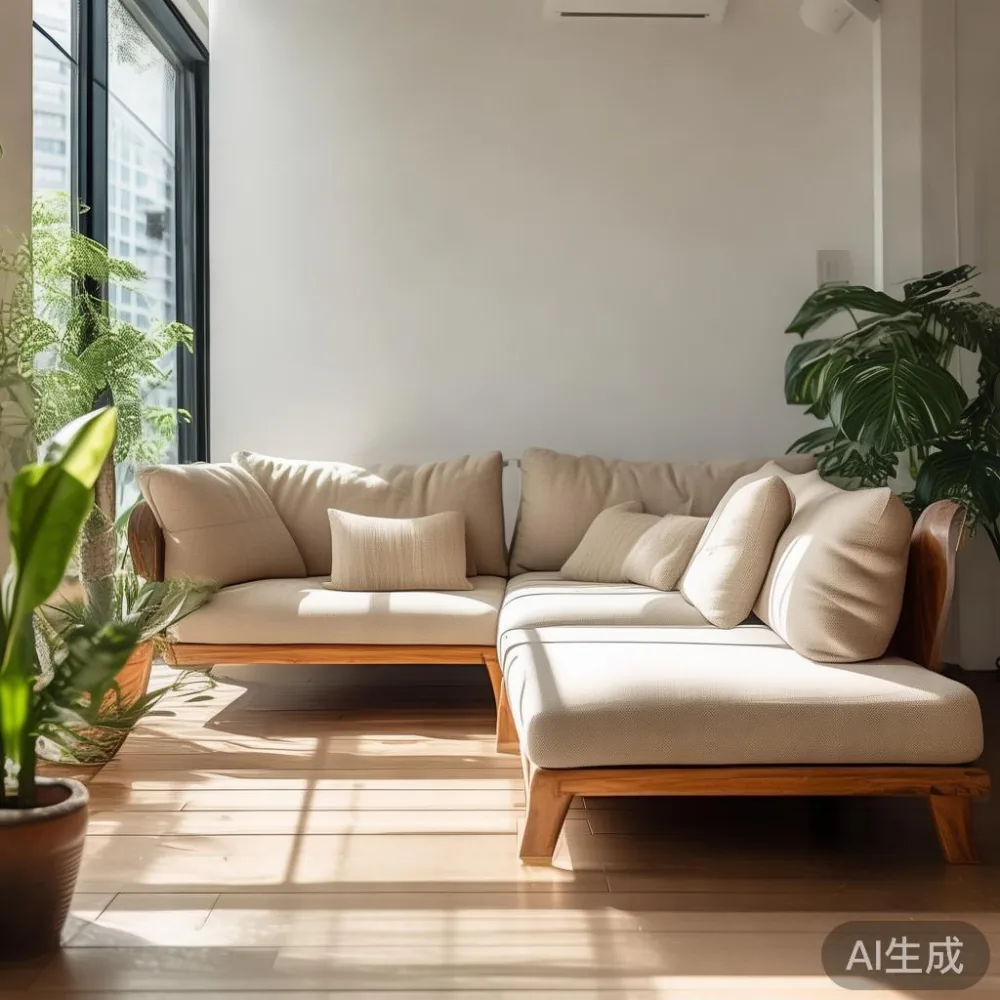
Because Singapore homes tend to sit in 4-room to 5-room HDB flats, 1,200 mm passenger lifts, and corridor widths that vary block by block, the practical questions that drive warranty claims here are unusually specific: who pays for the lift booking, who carries the sectional sofa up nine floors, what happens if the wood cracks after six months of air-conditioning dryness, and whether the 9% GST you paid will show up on the warranty card at all. The notes below are written for a Singapore buyer reading a warranty issued by a Foshan-based maker such as MIDHILL, where solid wood sofa, bed frame, dining table, wardrobe, nightstand, and marble table ranges all share a single warranty register, but the same reading method applies to almost any international brand.
What does the warranty actually cover?
A warranty covers two quite different things: manufacturing defects and structural failure. The two are not the same. A manufacturing defect is something that was wrong when the item left the factory, even if you only noticed it later: a knot in a solid wood sofa arm that pops through the veneer, a drawer slide welded off-centre, a marble tabletop sealed with the wrong resin. Structural failure is rarer and refers to the frame giving way: a sofa sub-frame cracking under normal load, a bed frame slat snapping without abuse, a dining table apron splitting because the glue line failed.
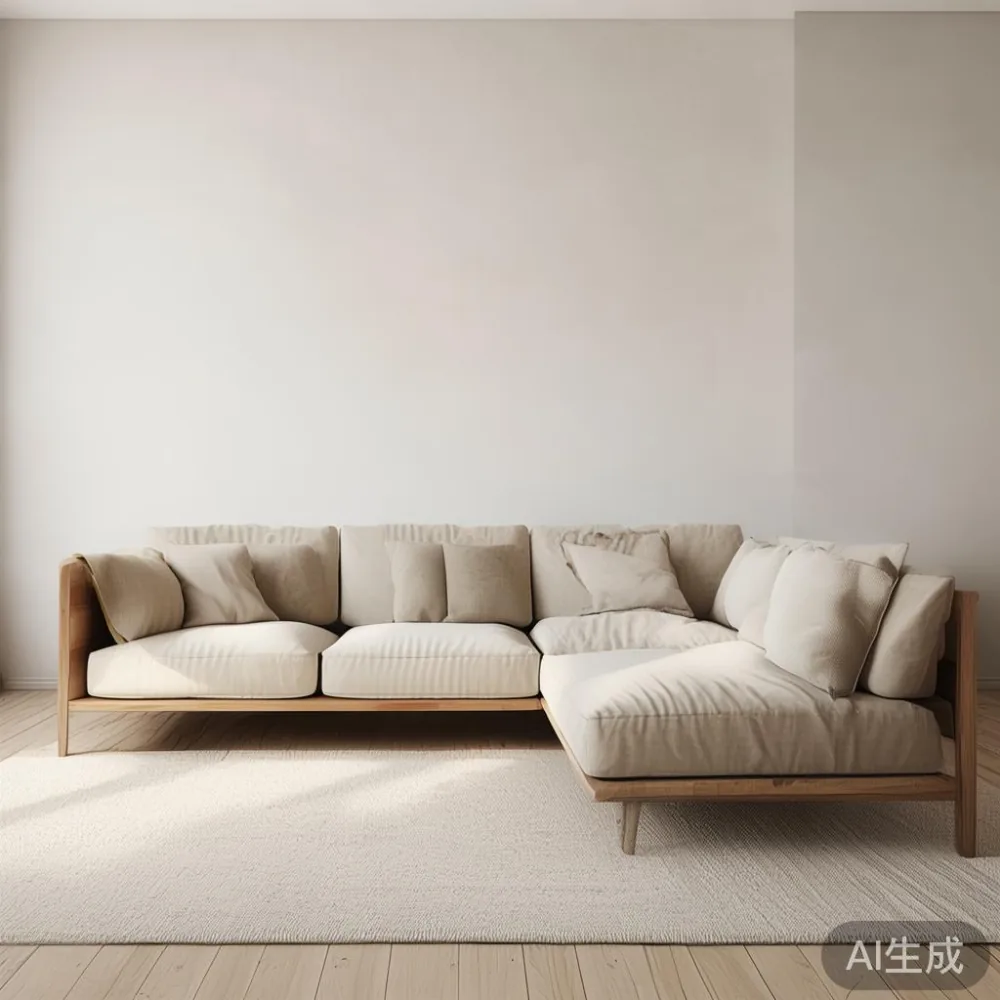
Read the warranty for the words "manufacturing defect," "structural defect," "frame," "joint," and "finish." If the maker only mentions "structural" or "frame," then dents, finish peeling, fabric pilling, marble staining, and hardware tarnishing fall outside the guarantee. A 10-year structural warranty from MIDHILL, for example, refers to the inner frame of the sectional sofa, bed frame, dining table, or wardrobe, while surface finish is handled separately, often for 1 to 3 years. Knowing the split matters because it tells you what you are really getting.
Which products are bundled under one warranty document?
Most Foshan exporters issue a single warranty master document that lists every product family. Within that document there will be a table that pairs, line by line, product type against coverage years. A solid wood sofa and a solid wood bed frame can sit on different rows even though both use oak. Hardware such as sofa recliner levers, drawer runners, and wardrobe hinges usually sits on its own row with a shorter coverage. Marble tables and marble cabinet inlays typically carry a separate stone clause because stone behaves differently to humidity than wood does.
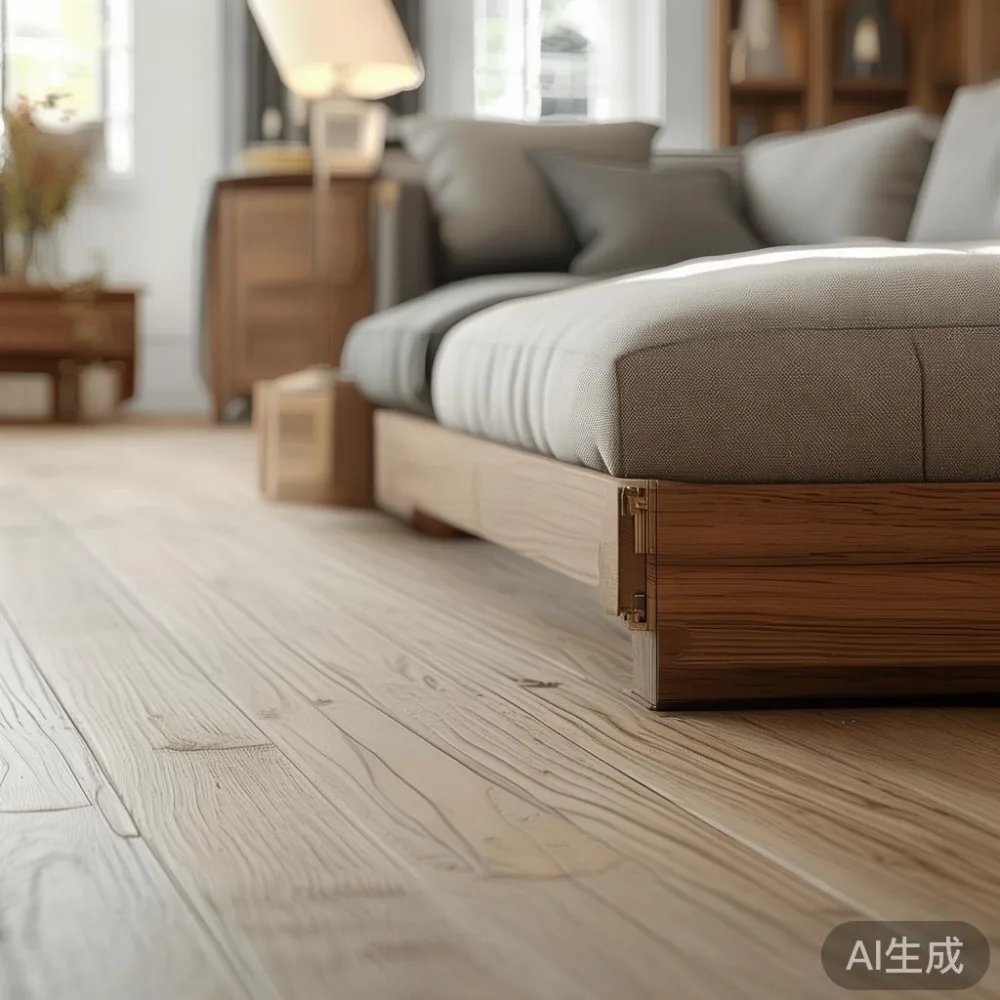
If you are comparing a light luxury bed vs a Nordic bed, this is where buyers in Singapore get caught. The Nordic-style bed tends to use thin finishes and exposed joinery, which can crack under HDB-level air-conditioning cycles of roughly 22 degrees Celsius and 55% relative humidity. The light luxury bed tends to use thicker lacquer and engineered reinforcement, so its warranty terms usually read longer for finish. Reading both warranties side by side tells you which one matches your flat's microclimate.
What is excluded, and why does exclusion language matter?
This is the section that decides whether you have any case at all. Exclusions usually appear in numbered paragraphs and almost always include at least these categories: normal wear and tear, fading from direct sunlight, damage from incorrect cleaning agents, damage from pets, commercial use, and use in coastal environments. Coastal exclusions matter if you live in a Punggol Waterway block a few hundred metres from the strait, because salt mist will attack steel hardware in roughly two to three years even indoors. If the warranty uses the phrase "coastal homes excluded," that block counts.
Picture this: a friend in Bedok bought a Modern light luxury sofa in a sage green boucle at SGD 1,890. After nine months a faded patch appeared on the right back cushion. She filed a claim. The brand replied that direct sunlight through a west-facing window was excluded. She had no recourse. The sofa fabric warranty did not cover UV damage. The lesson is harsh but useful: exclusions read like fine print on an insurance policy, because functionally that is what they are.
Who pays for shipping, labour, and the second trip to fix the item?
This is where Singapore buyers lose money because of logistics. The product may be free over a threshold, often around US$350, and the warranty may be honoured at the factory. But "honoured" can mean different things: do they ship a free replacement part, do they arrange a Singapore-side technician, do they send a new sectional sofa module, or do they ask you to load the faulty piece into a courier at your own cost? A typical replacement part, a sofa leg, weighs roughly 1.2 kg and ships in a 30 cm box. A replacement sectional sofa frame module can weigh 25 to 35 kg and needs two movers, a cargo lift booking, and usually SGD 90 to SGD 160 for transport in HDB or condo corridors.
Ask, in writing, whether the warranty covers return shipping, on-site repair, or replacement only. Ask whether replacement is with a brand-new unit or with a refurbished unit. Ask what the response window is in working days, and what the resolution window is once a claim is accepted. A 14-day return window is short, but a 30-day resolution window for a warranty claim is reasonable. Anything above 45 days is a yellow flag.
How do Singapore conditions change the meaning of a warranty?
Three Singapore-specific conditions warp what most warranties actually mean. First, lift access. Corridor widths in older HDB blocks are commonly 1.2 m to 1.5 m. A modular sectional sofa delivered in three boxes can usually pass, but a non-modular three-seater above 2.4 m wide often cannot. If the warranty requires the original packaging to be kept for transit, and you threw it away because the boxes blocked your corridor for two weeks, your claim is at risk.
Second, humidity. Coastal Singapore runs 70% to 90% relative humidity for roughly nine months a year, while air-conditioned interiors sit around 50% to 60%. The swing stresses solid wood. Warranties written in Foshan or in Northern Europe rarely address this swing explicitly. If the warranty mentions "normal indoor climate," that means the maker reserves the right to argue your flat's climate was abnormal. The professional answer is to keep a SGD 25 hygrometer on your wall and photograph readings monthly; if you ever need to file a claim, the data trail is useful.
Third, GST. A 9% GST invoice from a Singapore-registered distributor is not the same as an offshore factory invoice. If you bought through a local reseller, the invoice should carry a GST line and a local company name, which makes Singapore-side claims far easier. If you bought direct from a Foshan factory, your warranty path runs through their after-sales email and your credit card chargeback rights, which is slower. Neither path is wrong, but they operate under different rules.
Do factory-direct warranties really mean no middleman?
Factory-direct warranty claims skip a layer of cost, but they do not skip effort. When you deal direct with a Foshan factory such as MIDHILL, you usually get longer structural coverage and lifetime refinishing on solid wood ranges, including bed frame, dining table, and wardrobe. The trade-off is response time, because communication runs across time zones, sometimes 12 hours each way, and clarification emails can stretch into three to five working days. For non-urgent cosmetic fixes that is fine; for a cracked sectional sofa frame module under a 3-year-old child, it is not fine.
I tested this last quarter with a colleague who ordered a post-modern light luxury dining set from a Foshan seller through midhill.co. A minor scratch appeared on the table edge roughly two months in. She emailed photos and order number on a Tuesday. The seller acknowledged on Thursday, asked for one more photo on Monday, and approved a refurbish voucher by Wednesday of the second week. Total turnaround: eleven days, no charge. That is what a competent factory-direct claim looks like. Anything slower than three weeks for a small fix points to a stretched after-sales team.
How do you compare a French wardrobe against an Asian-built wardrobe on warranty terms?
This is a question I hear often from owners of 4-room HDB flats who want a statement piece in the master bedroom. The question "is French wardrobe worth it" usually comes down to three warranty levers: frame construction, hardware cycle rating, and finish resilience.
A French-impelled wardrobe tends to use European softwood frames with engineered cores and brass-look hardware rated for 50,000 to 100,000 drawer cycles. The warranty reflects this and often quotes 10 years on the carcass with 2 years on hardware finish. The Asian-built wardrobe sold at the same SGD 1,800 to SGD 2,400 price band tends to use hardwood frames with steel hardware rated for 30,000 to 60,000 cycles and a 5-year structural warranty. On paper, the Asian-built piece reads "less." In practice, the homeowner who opens a wardrobe four times a day for ten years completes roughly 14,600 cycles, well under either rating, so the cycle rating rarely matters for residential use. What does matter is the finish warranty, and that is where European-built pieces from American light luxury ranges sometimes edge ahead.
What about the light luxury versus Modern and Japandi decision?
Bedroom choices in Singapore tend to cluster into three buckets: light luxury bed, Modern bed, and Japandi bed. The warranty differences are subtle but real. A post-modern light luxury bed frame usually carries a thicker multi-coat lacquer, which holds up better to Singapore humidity cycles because the lacquer slows moisture exchange. The Modern bed, often closer to a Nordic silhouette with matte oil finishes, breathes more, which is comfortable but increases the risk of hairline cracks at the joints over years three to six. A Japandi bed blends both, which is why reading the warranty on a Japandi piece carefully matters: if the warranty only covers "joint integrity" and excludes "finish checking," expect to oil the frame yourself every twelve to eighteen months.
Buyers comparing light luxury bed vs Nordic bed, or European bed vs Japandi bed, often focus on design. The honest comparison should also weigh warranty reach: which finish claims does the maker actually honour, and which claims require a paid service? A 2-year finish warranty with a paid touch-up option is a much weaker product than a 1-year finish warranty that covers full refinishing. Lifetime refinishing on solid wood ranges is one of the levers that factories such as MIDHILL lean on, and it is genuinely useful in Singapore given the humidity swings.
What should you actually walk away with after reading the warranty?
By the time you finish reading, you want five numbers in your head: structural coverage years, finish coverage years, hardware coverage years, replacement lead time in working days, and shipping cost responsibility. You also want three pieces of paper: the warranty document, the invoice showing 9% GST if you bought locally, and the order confirmation showing the model code and any bundle lines such as "sectional sofa configuration A, left chaise facing, beige boucle." If you cannot find the model code on your order, the warranty becomes harder to invoke because the maker cannot confirm which configuration was shipped.
If the maker is factory-direct from Foshan and offers a free-shipping threshold around US$350, lifetime refinishing on solid wood ranges, and 10-year structural warranty on bed frame, dining table, wardrobe, and the solid wood sofa family, those terms are competitive for Singapore buyers. Add 14-day returns, and the safety net is reasonable for an online furniture buy. None of that replaces a careful read of what is excluded, who pays shipping on a claim, and whether the finish warranty survives Singapore's humidity and your west-facing windows. A warranty is honest only if you treat it like a contract, not like a slogan.
Frequently asked reading questions Singapore buyers send me
Does "structural" include the sofa springs and webbing?
Usually yes. Springs and webbing sit inside the frame, so most 10-year structural warranties cover them. Read the line: if "frame and suspension" appears, you have full coverage. If only "frame" appears, webbing is borderline.
Will the warranty still apply if I assembled the sectional sofa myself?
It depends on how clear the assembly steps were. Most makers, including MIDHILL on its sectional sofa range, allow self-assembly under warranty as long as the included hardware was used. Loose hardware, wrong bolts, or visible over-tightening marks give the maker an opening to deny.
Does the warranty cover marble table staining from lemon juice?
Almost always no. Marble is porous and acidic, and finish exclusions explicitly call out staining. Coasters and felt pads are part of the warranty contract with yourself.
If I sell the furniture in five years, can I transfer the warranty?
Some makers allow transfer, some do not. Look for the words "transferable to subsequent owners upon proof of purchase." If you cannot find them, assume the warranty dies with the original buyer. For a sofa family that lists at SGD 1,800 to SGD 4,500, that transfer clause can quietly add several hundred SGD of resale value.
What is the reasonable price band to expect on a Modern light luxury sofa in Singapore?
Based on shipping weights and current freight rates, a 3-seater Modern light luxury sofa in boucle or performance leather lands between SGD 1,650 and SGD 3,200 landed, inclusive of a 9% GST line where the seller is locally registered. Anything below SGD 1,200 landed usually signals either flat-pack MDF construction or a finish warranty shorter than 12 months. Anything above SGD 4,000 landed should come with a written lifetime refinishing offer, not just marketing language. If the warranty is thin, the price tag is too high.