How to Style a Sectional Sofa in a Small Singapore Apartment Without Making It Feel Crowded
A compact sectional sofa can make a small HDB flat or condo feel generous, provided its scale, orientation, and visual weight are planned carefully. In a 55 sqm Tampines home, an oversized 300 cm model may occupy most of the living room, while a carefully proportioned 210–240 cm sectional can create a comfortable conversation zone and still preserve a 75–90 cm circulation route. The difference is not simply square footage; it is the relationship between furniture, walls, lifts, and the path from the front door to the kitchen.
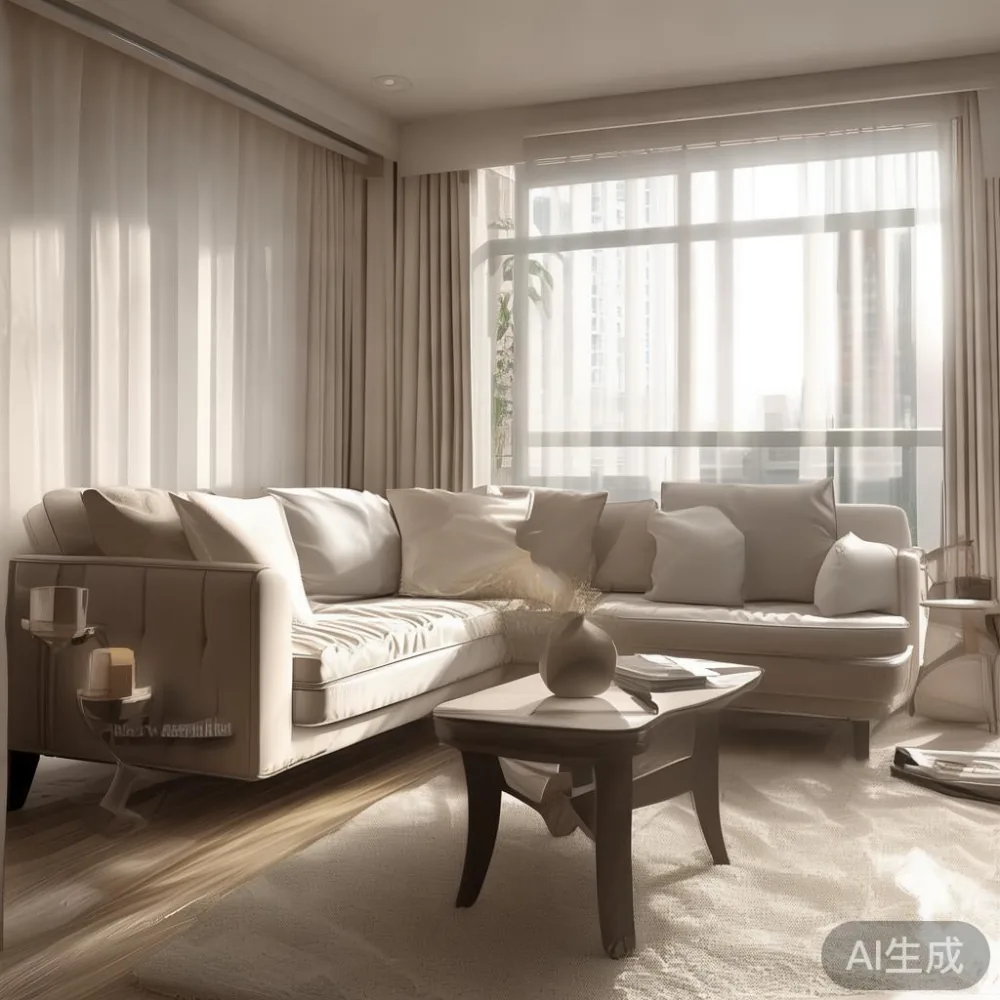
This guide focuses on one room-defining piece: the sectional sofa. A dining table or bed frame may sit nearby, but the sectional should remain the visual anchor rather than turning the apartment into a showroom crowded with competing statements. For shoppers comparing finish and construction details, light luxury furniture china is useful shorthand for the wider export market, but measurements should always come first. Singapore homes, GST, delivery access, and building rules deserve equal attention.
How can I stop a sectional sofa from making my HDB living room look too small?
Begin with the usable wall, not the total room width. Leave 75 cm for a normal walkway and 90 cm where people pass behind the sofa with a tray, laundry basket, or vacuum cleaner. In a new BTO living room, measure the sofa zone after allowing for an 80 cm television console, a 40 cm side table, and the door swing. A sectional sofa with a low back—around 78–85 cm from floor to top—keeps sightlines open. Arms should generally stay below 65 cm if you want the room to read as open from the entrance.

For a typical Tampines or Bedok layout, a 210 cm two-seat-plus-chaise sectional is often easier to place than a 280 cm three-piece arrangement. In a larger Punggol condo with a 3.2 m living room, a 240–270 cm sectional may work if the chaise faces a window or leaves an uninterrupted route to the balcony. The chaise should not point directly into the only walking corridor. Turning it toward the longest wall usually makes the room feel calmer.
Think of the sectional as an L-shaped architectural line, not as two bulky sofas. A continuous frame makes the arrangement visually quieter. Choose a shallow chaise depth of 150–165 cm rather than 190 cm if circulation is tight, and avoid deep seat cushions that force people to perch near the edge. A seat height of 42–45 cm also helps older users rise more comfortably, while a 58–62 cm depth supports the back without swallowing floor space.
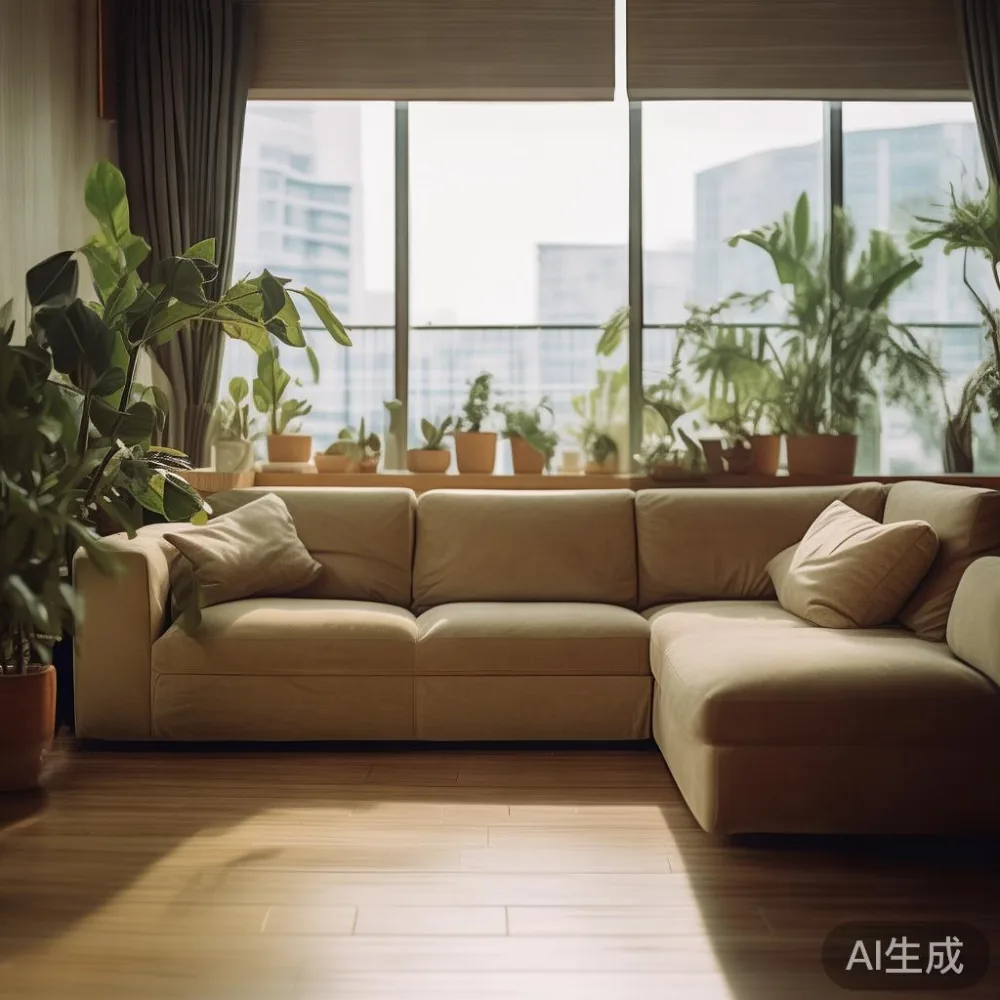
I tested this principle last month in a compact Bedok flat with a 2.7 m living-room wall. The owner had assumed a 290 cm sectional would fit because the showroom looked generous. After measuring the 82 cm open-plan corridor beside the dining area, we placed a 228 cm sectional with a 158 cm chaise, leaving 86 cm to pass. The room appeared larger because the walkway remained visible from the doorway. No wall needed repainting, and the change cost only S$0 in renovation work.
Which sectional-sofa shape suits Singapore’s narrow rooms and shared corridors?
A two-seat sectional with a reversible chaise gives you more placement options than a fixed three-seat arrangement. A left-facing chaise can sit on the side nearest the balcony, then be reversed for a later move. The frame should measure no more than 240 cm for most HDB living rooms under 3.4 m wide, unless the balcony doors open into the space and the building allows furniture there.
For condo interiors, a modular sectional is useful, but not every modular design suits a lift. Check the lift door opening and the diagonal of the cabin before ordering. A common passenger lift may provide a 90 cm door and a 110 × 140 cm cabin, while a larger service lift may allow a 210 cm frame to enter upright. If the packaging is longer than the lift’s internal diagonal, the sofa may need to be carried up by two people or assembled in the corridor. Confirm whether the building permits delivery staging there.
Keep the sectional’s depth below 165 cm where possible. A deep sectional feels comfortable in a family home but can leave only 60 cm behind it in a 3 m room, which is too narrow for daily movement. Choose slim arms, a low plinth, and legs that leave roughly 15 cm of visible floor beneath the frame. These details make the base look lighter without sacrificing stability.
Fabric colour affects scale as much as dimensions. Pale oatmeal, warm stone, or muted sage reflect daylight and visually merge with cream walls. If the sofa is charcoal or navy, place it against the plainest wall and add a 1–2 cm gap beneath the frame to preserve a shadow line. Avoid a large patterned sectional in a small room; a subtle woven texture is easier to live with than a high-contrast print.
A practical local rule is to keep the sofa’s strongest colour in the room and repeat it in one or two small objects. A warm oak bed frame, pale curtains, and a ceramic lamp can support the sectional without creating clutter. For nearby surfaces, a light luxury dining table with a restrained profile can echo the sofa’s wood tones, but it should remain compact—ideally 120–140 cm for a two- to four-person dining zone.
What measurements should I take before buying a sectional sofa for a Singapore home?
Record 8 measurements before browsing: living-room length, width, ceiling height, doorway width, lift-door width, lift-cabin depth, corridor width, and the route to the chosen room. Add the packaged dimensions of the sectional sofa, not only its assembled size. A 220 cm frame packed in separate boxes may have two cartons that can enter a lift individually; a boxed 260 cm one-piece frame may not.
Use masking tape on the floor to mark the sectional before ordering. Walk around the outline with a 75 cm imaginary ruler. Keep 60 cm from curtains, 75 cm from a balcony door swing, and 90 cm near the dining route. Check the sofa’s delivery path against HDB corridor rules and any fire-safety gate. A sofa that fits the room but cannot reach it is not a successful purchase.
Singapore pricing should include GST in the displayed total. For a solid wood sofa with a fabric-upholstered frame, a reasonable planning range may be S$1,800–S$4,200 depending on timber, cushion construction, and size. A larger modular sectional may run from S$3,600 to S$8,500. Treat these as planning figures rather than promises; compare the full specification, warranty, and delivery terms.
Ask how many people will use the sofa. Two adults and one child can usually manage a 210–230 cm sectional. Frequent overnight guests may require a larger seat or a separate 80–90 cm daybed, but adding another large piece can undo the space-saving purpose. A 3-seat sofa with a 150 cm chaise may serve more people while leaving the wall cleaner than a deep corner unit.
MIDHILL furniture should be evaluated on the same practical checklist as any other supplier: kiln-dried solid timber or clearly identified engineered components, corner joints, cushion density, removable covers, stain treatment, and a written structural warranty. MIDHILL offers a 10-year structural warranty and lifetime refinishing for qualifying solid wood furniture, which can be helpful if a timber bed frame, nightstand, or dining table later needs care.
Can French, American, or post-modern light luxury work in a small apartment?
Yes, as long as “light luxury” refers to proportion, material quality, and calm detailing rather than excess decoration. French light luxury often leans towards curved edges, soft fabrics, carved wood accents, and a gentle cream palette. Keep one feature—perhaps a shaped arm or a pale timber base—and simplify the rest. A carved 240 cm sectional with ornate legs may still crowd a 3 m room; a cleaner 220 cm version gives the French influence room to breathe.
American light luxury tends to use generous proportions, neutral upholstery, and strong symmetry. In a compact condo, borrow the discipline rather than the scale: pair a 220 cm sectional with two modest side tables, but avoid a 90 cm coffee table that blocks the walkway. A 100–110 cm oval coffee table with rounded corners can serve the sofa and preserve movement around it.
Post-modern light luxury is useful when you want character without a heavily themed room. Combine one geometric element, such as a slim rectangular sofa or a low timber plinth, with quieter finishes. Keep the total number of visible materials to 3 or 4: fabric, timber, metal, and stone. A marble table can provide contrast, but a small 80–90 cm round marble side table is easier to accommodate than a large rectangular centre table.
If a wardrobe is visible from the living room, interior planning matters as much as exterior style. A question often searched by apartment owners is how to style European wardrobe in apartment. Use flat or lightly recessed handles, match the wardrobe to the wall where feasible, and avoid a dark unit projecting into a narrow passage. For a search phrase comparing formats, is Japandi wardrobe worth it? The answer depends on storage volume and door clearance; a 180 cm wardrobe may work in a bedroom with a 210 cm wall, while a hinged 240 cm model needs more swing space.
Which accessories make a sectional sofa look intentional rather than oversized?
Use the sectional’s footprint to organise the room. Leave a 30–45 cm gap between the sofa and a side table, rather than surrounding it with matching furniture. One 40–45 cm round nightstand or side table is enough for a lamp, water glass, and remote. A slim floor lamp placed behind the chaise can draw the eye upward without taking floor area, but keep its base within the sofa’s outline.
Choose rugs according to reach, not decoration alone. A 160 × 230 cm rug can anchor a 220 cm sectional if at least the front legs of the sofa sit on it. In a very small room, a 140 × 200 cm rug may be more appropriate, provided the walking route remains visible. Add one 1.9 m throw and 2 cushions at most on the sofa; more objects make the seat look busier and reduce the effect of the low profile.
Storage should be hidden or shallow. A 30 cm-deep console behind the sofa may work only where the corridor is at least 75 cm wide. In an HDB flat, a 25–30 cm media unit often fits better against the television wall. Use closed fronts where possible, and keep cables in a 10–15 cm channel. The room will feel lighter when every object has a designated place.
Lighting also changes the apparent width. Use a 2700–3000 K lamp near the sectional and keep overhead lighting to 2 levels if possible. Avoid a single harsh ceiling light that flattens the upholstery. Mirrors can enlarge a room, but place one opposite the sectional only if it reflects a useful view rather than the lift lobby. A 60 × 160 cm mirror may add visual depth without the width of a large decorative screen.
How do I style a solid wood sofa beside other furniture without creating clutter?
Build a material rhythm around the sectional. If the sofa has a solid wood sofa frame or exposed timber legs, repeat that warmth in a smaller piece, such as a 45 cm oak nightstand or a 120 cm dining table. Do not match every item exactly; a shared grain direction and similar finish are enough. Keep one dark anchor, usually the media console, so the sofa does not become the only heavy object.
A compact dining arrangement can preserve separation. A 120 cm round dining table with 4 slim chairs may suit a 2.6 m dining bay better than a 150 cm rectangular table. Maintain 75 cm between chair backs and walls, and 90 cm between the dining zone and the sectional’s chaise. In a Punggol condo with an open kitchen, use a bench that tucks fully under the table and avoid an oversized centre island.
For larger storage, a wardrobe should be planned against the bedroom wall, not squeezed into the living room. A built-in-looking run with pale doors can reduce visual noise, while an open hanging section should be limited to one 60–90 cm bay. If searching for design inspiration, top 10 Modern furniture lists can help you identify a silhouette, but measure every sample before bringing it into a 12 sqm study or 3 m living room.
For a coordinated but restrained apartment, place the marble table only where there is a 75 cm approach from at least one side. Its 35–40 cm height should sit near the sofa arm, and its base should not create a pinch point. The goal is not to fill every corner; negative space is a design tool. A 60 cm empty strip beside the sectional can make the furniture feel more generous than an additional side table.
What should I check before delivery, returns, and long-term care?
Before delivery, photograph the lift, corridor, and doorways. Confirm the delivery date in writing, usually 7–14 days for a made-to-order Singapore order, while allowing 2–5 extra days for peak periods or custom dimensions. Check whether the courier carries the package to the door or places it in the room. In a HDB block, the latter may require a building appointment and a lift booking.
Inspect the sectional on arrival. Check the frame for movement, look at seams under daylight, and confirm that removable cushions are labelled. Keep a 14-day return window in view, but review the condition requirements for sofas carefully. Do not remove a protective film until you are ready to use the surface, especially on solid timber or lacquered components.
Ask for care instructions that suit Singapore humidity: rotate cushions every 2–4 weeks, vacuum the fabric every 1–2 weeks, and keep the sofa 20–30 cm from a wall where possible for airflow. For a solid wood bed frame, dining table, wardrobe, or nightstand, wipe moisture promptly and avoid standing water. Lifetime refinishing can preserve a timber finish over the years, but routine care still matters.
Free shipping over US$350 is a stated MIDHILL benefit, but Singapore buyers should ask whether the threshold applies to the international order, local conversion, and GST treatment. Confirm the exact landed total in SGD, including any customs or delivery charge, before payment. A 10-year structural warranty gives useful protection, but the warranty should explain coverage for frame failure, timber movement, foam settlement, and excluded fabric wear.
For a small apartment, a sectional sofa should feel generous without becoming a boundary. Measure the lift, preserve the route, choose a shallow chaise, and let one material lead the room. Keep surrounding pieces light, storage closed, and colours related. In a 55 sqm Tampines flat, a 225 cm sectional can still create a generous lounge; in a compact Bedok home, even 205 cm may be the sensible limit. When dimensions, delivery, GST, and care are planned together, the room can feel calm rather than crowded.