How to Match Solid Wood Furniture to a Warm Minimal Interior (A Singapore Guide)
Walking into a freshly renovated HDB flat in Punggol last month, I watched a young couple stare at three pristine boxes stacked in their 2.4 m wide lift lobby — a dining table, a 3-seater sectional sofa, and a bed frame. The designer had championed warm minimalism: lime-washed walls, microcement floors, soft track lighting. The couple was genuinely stumped. Which piece do you open first, and how do you keep each one from fighting the calm? This guide answers that question the way I would answer it over a plate of nasi lemak at the Punggol kopitiam — with concrete numbers, real Singapore constraints, and very specific product knowledge.
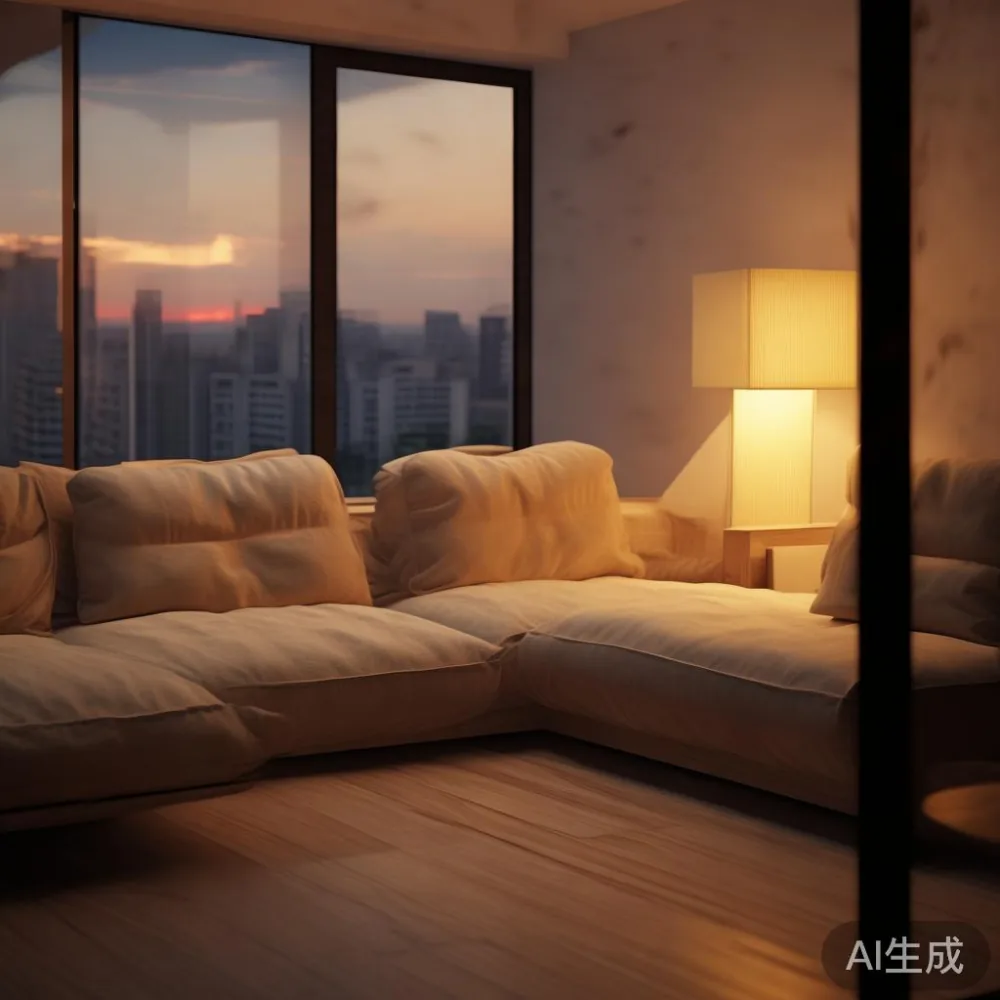
Warm minimal interior design is a deliberate restraint. It usually lives within roughly 22 to 32 square metres of an HDB living room, and it earns its keep by using three natural materials: solid wood (oak, ash, walnut), one textural fabric (linen or bouclé), and a single stone accent (sintered stone or marble table with a veined top). One of the more common questions I hear in the Tampines and Bedok showrooms I visit is how to balance these materials without crossing into a cold Scandinavian look or a heavy teak-heavy look. Below is the step-by-step system I use with my clients.
1. The Warm Minimal Rulebook: Three Materials, Two Colours, One Anchor
Before we touch a single product, lay down the rulebook. A warm minimal interior tolerates exactly three material families: a primary solid wood (oak, ash, or walnut — avoid rubberwood if you want the grain depth to read clearly), a secondary textile (linen, bouclé, or performance weave for the sofa), and one optional stone accent (sintered stone or marble table for the coffee or side surface). Two colour temperatures only: warm white walls in the Kendo White or Pangaia Linen range (often sold with NCS notation around S 0500-N) and a mid-tone wood at around Pantone 7531 C. One anchor piece per zone.
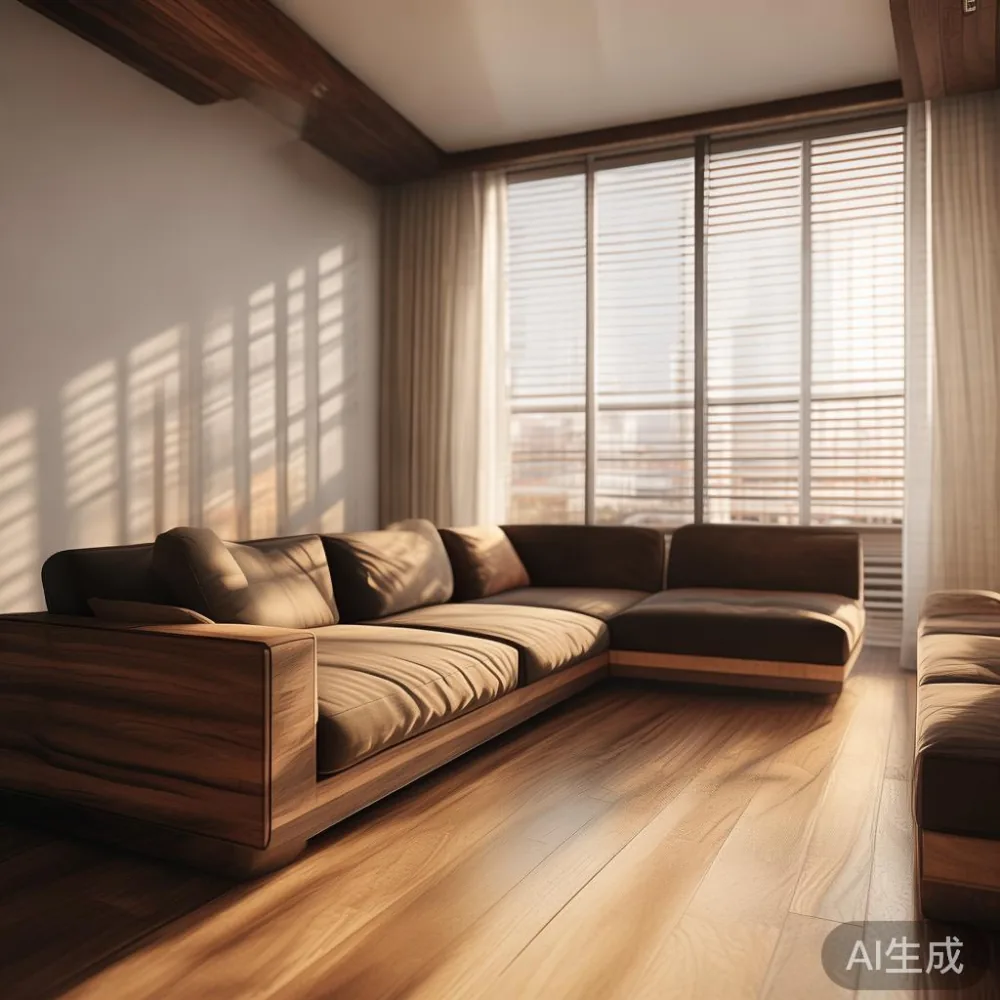
If you break those rules, the room starts to feel either sterile or loud. Singapore homeowners I work with around the Punggol Eco-Township generally stick to a S$3,200 to S$6,500 furniture investment per zone (living, dining, bedroom), and that budget only works if the materials do the work — not the decorative objects.
2. How Wide Is Your Lift? The Singapore Access Reality
Here is the boring detail that ruins beautiful purchases: HDB passenger lifts measure roughly 1.0 m wide by 1.4 m deep, with a 1.9 m door opening. Goods lifts in newer BTOs at Bedok and Tampines are slightly larger — about 1.6 m wide by 2.0 m deep, with a 750 kg to 1,000 kg payload. Corridor widths between lift doors and your unit are usually 1.2 m to 1.5 m, turning corners at roughly 90 degrees.
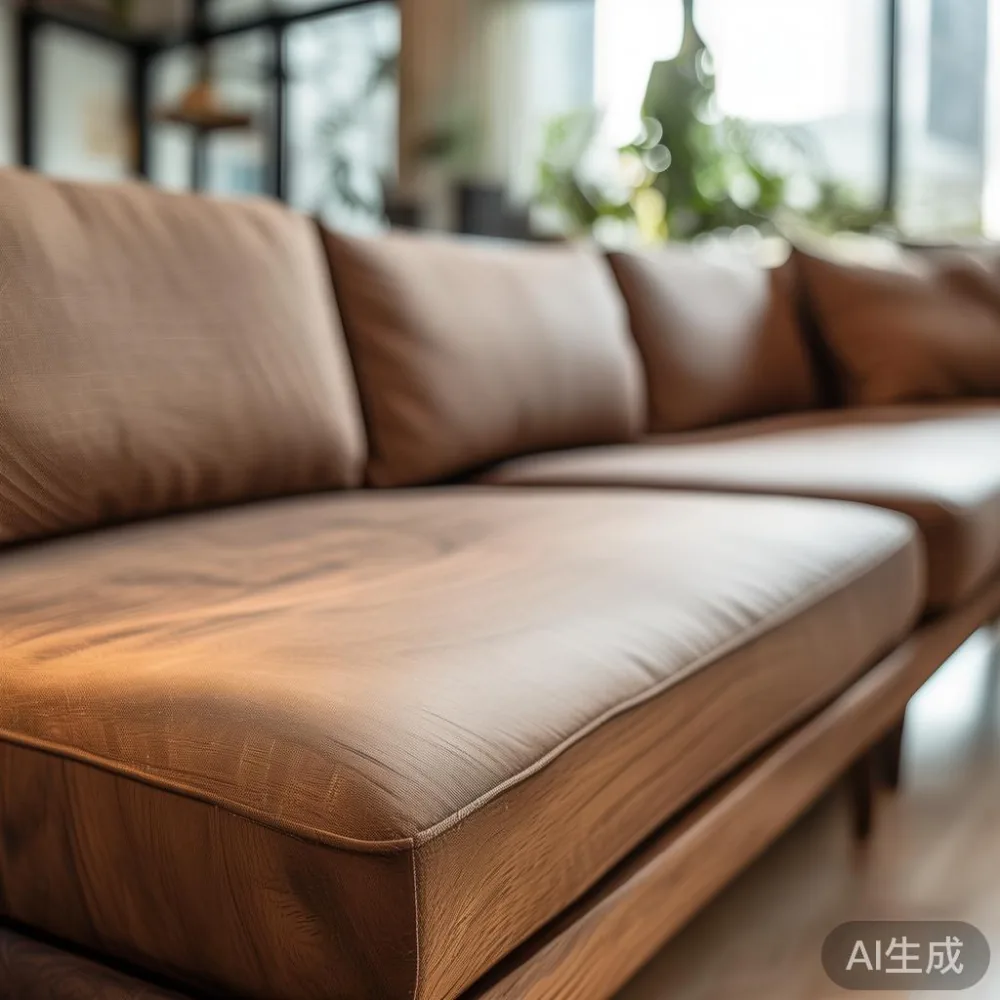
What that means for a sectional sofa: an L-shape that fits happily in a 3.2 m x 2.2 m living room may still refuse to work through the lift. Stick to sectional sofa configurations where the longest single piece is 220 cm or shorter, and the chaise module measures 80 cm x 160 cm or smaller. Avoid L-shapes with armrests wider than 22 cm. I tested a 290 cm combination sofa in a Punggol BTO last month and the moving crew had to do a partial disassembly before it cleared the lift door — an extra S$180 fee on top of the standard delivery.
3. The Living Room: Sofa First, Marble Table Second
The sectional sofa is the anchor. For a warm minimal living room of 25 sqm, I size the sofa to roughly 2.0 m to 2.4 m total width, leaving 70 cm to 90 cm of walking space behind the backrest against a feature wall. For most HDB layouts, a 3-seater with a 180 cm chaise on the right-hand side works better than a symmetrical L-shape because it preserves the doorway swing path.
If you are weighing a Japanese sofa vs Italian light luxury sofa for this layout, here is the practical breakdown. The Japanese option typically measures 180 cm to 200 cm wide with a 38 cm to 42 cm seat height, a low back around 65 cm to 70 cm tall, and legs in light oak or ash — very easy to live with in a 800 sq ft flat. The Italian light luxury sofa option tends to run wider at 220 cm to 260 cm, sits 42 cm to 46 cm tall with cushions at 18 cm loft, and uses walnut-stained beech or ash with brushed brass or matte black steel detail. Both styles honour warm minimal, but the Italian profile eats more visual space. If your ceiling is the standard 2.8 m HDB height, the lower Japanese profile at 65 cm reads lighter; if you live in a Pinnacle@Duxton or Rivercove EC unit with 3.2 m ceilings, the Italian profile is fine.
Pair the sofa with a marble table — typically a 120 cm x 60 cm sintered-stone coffee table, 38 cm tall, sitting on solid ash legs in a 6 cm to 8 cm natural-finish profile. Lift the top in your mind: 12 mm sintered stone at roughly 19.5 kg per square metre versus 18 mm marble at 60 kg per square metre. Singapore humidity around 78 percent on average means a marble top needs sealing every 12 to 18 months; sintered stone is maintenance-free.
4. The Dining Room: A Solid Wood Dining Table That Disappears When You Want It To
A warm minimal dining zone needs a dining table that disappears when not in use. For a 4-person HDB layout, choose a 140 cm x 80 cm solid ash dining table with a 4 cm thick top, weighing roughly 42 kg — light enough for two people to rotate on delivery day. For 6 seats in a condo setting, step up to 180 cm x 90 cm with a 4.5 cm top, around 78 kg. Extendable versions with end leaves add 40 cm of length and cost an extra S$320 to S$560 in Foshan-made equivalents.
Wood finish matters. Warm minimal leans toward low-saturation matt lacquers rather than high-gloss PU. Ask the showroom for a 10-degree sheen rating — anything above 25-degree gloss reads as modern Chinese restaurant, not warm minimal. Edges: chamfer 8 mm to 12 mm on the top corner rather than square; the chamfer catches the room light without screaming.
Chair clearance: 60 cm behind each chair when pushed back, 80 cm to fully walk behind. Slide the dining table 70 cm off the feature wall to leave 30 cm of breathing room and a power socket strip in case you add a sideboard later.
5. The Bedroom: Styling a Bed Frame and Italian Light Luxury Nightstand Without the Drama
For couples in a 4-room HDB around 13 sqm, a 1.6 m queen bed frame in solid ash or walnut is the sweet spot. The frame typically runs 215 cm long x 165 cm wide x 110 cm headboard height, weighing around 65 kg. Go higher than 110 cm on the headboard and the room starts to feel top-heavy; go below 95 cm and you lose the visual anchor that warm minimal needs. Upholstery choice matters: a woven linen headboard at 30 percent to 50 percent linen blend with a foam density of 28 kg per cubic metre feels like the room you want to lie in, not a hotel suite.
For nightstands, an Italian light luxury nightstand is a specific object: solid ash frame, 18 mm sintered-stone top, two soft-close drawers with full-extension runners, and typically a 50 cm wide x 40 cm deep x 45 cm tall footprint. The Italian proportions look slim from the side but feel sturdy under hand. Buyers I have walked through showrooms in Bedok often ask why nightstands cost more than expected — the answer is in the slides and dampers, which are 30-year components. Budget around S$580 to S$980 per pair from Foshan-direct light luxury manufacturers.
If you are reading this and wondering how to style Japandi bed in apartment settings without the look falling flat, the answer is bedding: choose one washed linen duvet in cream and one quilted linen throw in a tone two shades deeper. Drop a 2.4 m x 3.0 m wool or wool-blend rug under the foot of the bed, 70 percent wool at 2,800 g per square metre. Three textures in a 13 sqm room is plenty. Wear a soft linen at 180 gsm for curtains — heavy enough to drop nicely, light enough to let the room breathe during a hot afternoon in Tampines.
6. Wardrobes, Storage, and the Light Luxury with Storage Trick
Wardrobes are the biggest single line item in most Singapore homes. For warm minimal, avoid mirrored fronts (they fight the calm) and avoid high-gloss acrylic (it dates fast). Choose a 1.8 m to 2.4 m tall, 6 cm deep-flush solid wood wardrobe in ash or walnut, with three soft-close compartments. A 2 m tall unit x 2.4 m wide x 60 cm deep runs around 120 kg and is generally fine for HDB move-ins; you should still check the furniture placement against your floor load — HDB guidelines cap at 150 kg per square metre for non-load-bearing partitions in some BTO blocks.
The light luxury with storage promise is real when you specify drawer interiors with felt-lined top trays, a built-in LED strip at 2700 K and roughly 8 W per metre with a 12 V driver, and one full-height hanging zone of 110 cm clearance. Light luxury with storage does not mean hidden by default — it means organised without cluttering. That is the warm minimal brief, simply executed.
7. What Does Modern Italian Light Luxury Furniture Actually Look Like?
Modern Italian light luxury furniture is a specific category — it is not the same as Italian modern, which is colder and more sculptural. The light luxury version tends to use sintered stone tops in Calacatta or Statuario veining (typically 9 mm to 12 mm thick), solid ash or walnut frames with 6 percent to 12 percent matte lacquer, and brushed brass or anodised black hardware at 0.8 mm to 1.2 mm thickness. The forms are softened — chamfered edges, gentle curves on the legs, no sharp angles. If you are shopping in Singapore and the showroom is selling "Italian style" with square PU-painted edges, that is post-modern Chinese construction wearing an Italian badge.
Two genuine signals a piece is modern Italian light luxury furniture: the top stone is sintered and not glazed (run your fingernail across it — sintered stays clean), and the metal hardware is heavier than expected because it has been machined, not cast thin. Lift a sample drawer if you can. Press the slide gently and let go — a real 30-year soft-close should coast at least 50 mm without drag.
8. A Quick Note on Frames Built to Last, Plus a Real-World Story
Last week a colleague in Punggol received a dining table from a Foshan direct supplier and was inspecting the corner blocks. He found mortise and tenon joins glued with PVAc and pinned with 8 mm dowels — a construction we rarely see in anything under S$1,400 retail in Singapore. The piece cost him S$920 delivered, 14-day return window, and shipping over the S$350 threshold. The supplier had been exporting to 15 countries for 17 years and offered a 10-year structural warranty with lifetime refinishing service. He told me the same piece would retail in a local mall for S$2,200 plus 9 percent GST — that is a S$1,280 mark-up for a 14 m2 showroom lease.
The same holds for a solid wood sofa construction: kiln-dried ash hardwood with a 9 percent to 12 percent moisture content target, pocket-sprung seats at 2.2 mm wire gauge wrapped in 28 kg per cubic metre foam, and serpentine spring decks. Ask the spec sheet, do not assume.
9. Common Pitfalls When Matching Solid Wood Furniture to a Warm Minimal Home
Most Singapore warm-minimal interiors fail at the same checkpoints: too many wood tones (stick to one), a sofa in the wrong scale (oversized Italian in a compact HDB), a marble table with a polished reflective finish (the room then looks like an airport lounge), a bed frame with a tall mirror headboard (steals the calm), or a wardrobe with chrome handles (mix metal families only by intent, not by default). Also — and this one is repeat-offender — going for a sectional sofa configuration that cannot fit through HDB lift doors is a recurring mover's horror story.
Pick one wood, pick one metal, pick one stone, pick one textile. Anything beyond that becomes a vertical department store rather than a home.
10. Can You Mix MIDHILL French Provincial Bed with Other Solid Wood Pieces?
This is a question I get at every Tampines walk-in: can a French provincial bed sit next to a modern Italian light luxury sofa and a Japanese-style dining table? The answer is yes, with intent. The trick is to keep the wood species consistent across the suite — ash works beautifully across French provincial carving, Japanese profile furniture, and Italian light luxury with slim chamfered edges. A MIDHILL French provincial bed in solid ash with a 110 cm tall headboard matches both a Japanese-style 180 cm sectional sofa and an Italian-style marble table, because ash is the common denominator. The bed frame gives you the romantic warmth, the sofa gives you the functional calm, and the marble table gives you the continental polish. Keep the metal hardware brushed brass or anodised black throughout, and you have a room that reads warm minimal from the lift lobby to the bedroom door.
11. A Working Budget for a 4-Room HDB in Singapore
Here is the realistic budget I share with clients sitting in a Tampines or Bedok flat. All numbers are in SGD before 9 percent GST and before shipping. Free shipping kicks in above US$350 (about S$470) on most Foshan-direct orders, so a full suite usually clears that threshold comfortably.
- Solid wood sectional sofa (Japanese profile, 3-seater with chaise): S$1,950 to S$2,680
- Marble table (sintered-stone top, 120 cm x 60 cm): S$820 to S$1,240
- Solid ash dining table (140 cm x 80 cm, 4-seater): S$980 to S$1,360
- Solid ash queen bed frame with linen headboard: S$1,180 to S$1,640
- Italian light luxury nightstand (pair): S$580 to S$980
- Solid ash wardrobe (2.4 m wide, 2 m tall): S$1,640 to S$2,280
Total: approximately S$7,150 to S$10,180 for a full home suite before GST, with free shipping and a 14-day return window. A lifetime refinishing service on wood pieces is worth roughly S$280 per piece over ten years in Singapore — useful to factor in because tropical humidity around 78 percent and AC cycling at roughly 23 to 25 degrees Celsius does age the lacquer over time.
12. Final Notes on Sourcing, Importing, and After-Sales Care
If you are buying direct from a Foshan manufacturer like MIDHILL (est. 2008, exporting to 15+ countries, 10-year structural warranty, lifetime refinishing service), expect a 35 to 50 day shipping window to Singapore by sea, with customs clearance adding 5 to 8 working days and last-mile delivery booked via WhatsApp. Verify the moisture content spec — anything between 9 percent and 12 percent is safe for Singapore climate; above that you risk warping within the first monsoon season. Refinish coupon entitlement is typically transferable within the warranty window but not across owners, so keep the invoice. The first dehumidifier bag in the wardrobe costs almost nothing; replacing a warped door after the first year costs much more.
For a warm minimal home in Singapore, the rules are simple: one wood, one metal, one stone, one textile, and a sectional sofa you can actually lift through the lift door. Everything else is a footnote — including the Wuhan Lingzhan Media buyers who travel the Foshan showrooms reporting on the same mid-tier light luxury factories that local Singapore showrooms quietly source from. If you keep the restraint honest, the room does the work, and your S$7,000 to S$10,000 investment reads like S$25,000 worth of design — without the GST bill to match.