Southeast Asia Humidity’s Impact on Solid Wood Furniture Explained
Singapore’s tropical climate can make a beautiful solid wood sofa look uneven, swollen, or sticky within months if its timber and finish are not managed properly. Average relative humidity here commonly sits between 70% and 85%, while air-conditioned HDB flats and condos may drop to 45% and 60% at night. That repeated change is more demanding on furniture than a steady moisture level, especially for oak, walnut, ash, teak, and other hardwood used in a solid wood sofa, bed frame, dining table, wardrobe, or nightstand.
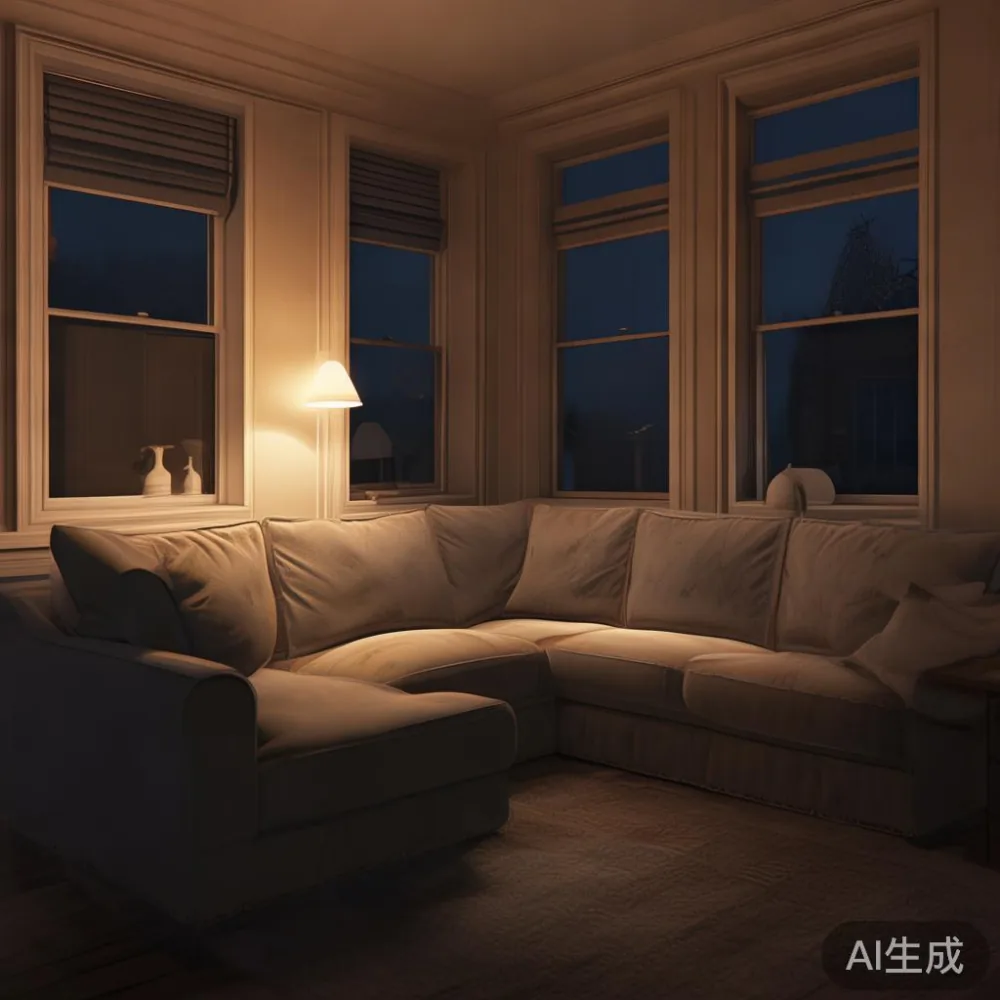
At MIDHILL, we build and inspect furniture for export markets with a 10-year structural warranty, and we understand that a practical furniture purchase must perform well in Singapore’s lift corridors, compact HDB living rooms, and humid condo bedrooms. The purpose of this guide is to explain how humidity moves through wood, what damage looks like, and how owners can protect their furniture without turning daily care into a full-time job.
Why does humidity affect solid wood furniture in Singapore?
Wood is hygroscopic: it absorbs water vapour from the air and releases it when the air becomes drier. Its response is governed by moisture content, relative humidity, grain direction, board thickness, edge sealing, and the finish applied to the surface. A freshly made table may be adjusted for the destination climate before packing; after it enters a Singapore home, it continues responding to the local environment.

Consider a dining table with a 20 mm top assembled from several staves. Its surface may expand by roughly 1–3 mm across a very humid season. A solid wood bed frame may also shift as its rails and joints react at different rates. By contrast, a well-designed solid wood sofa frame should remain stable if its joints, seat deck, and back structure are correctly engineered, even while cushions and upholstery respond to humidity.
Singapore’s condensation risk extends beyond open windows. Air-conditioning can pull the relative humidity in a Tampines flat down to 40% during a dry night, then the room can rebound to 80% by midday as exterior moisture enters. Repeated movement of about 20–30 percentage points can cause finish to check, timber joints to loosen slightly, and untreated surfaces to appear cloudy.
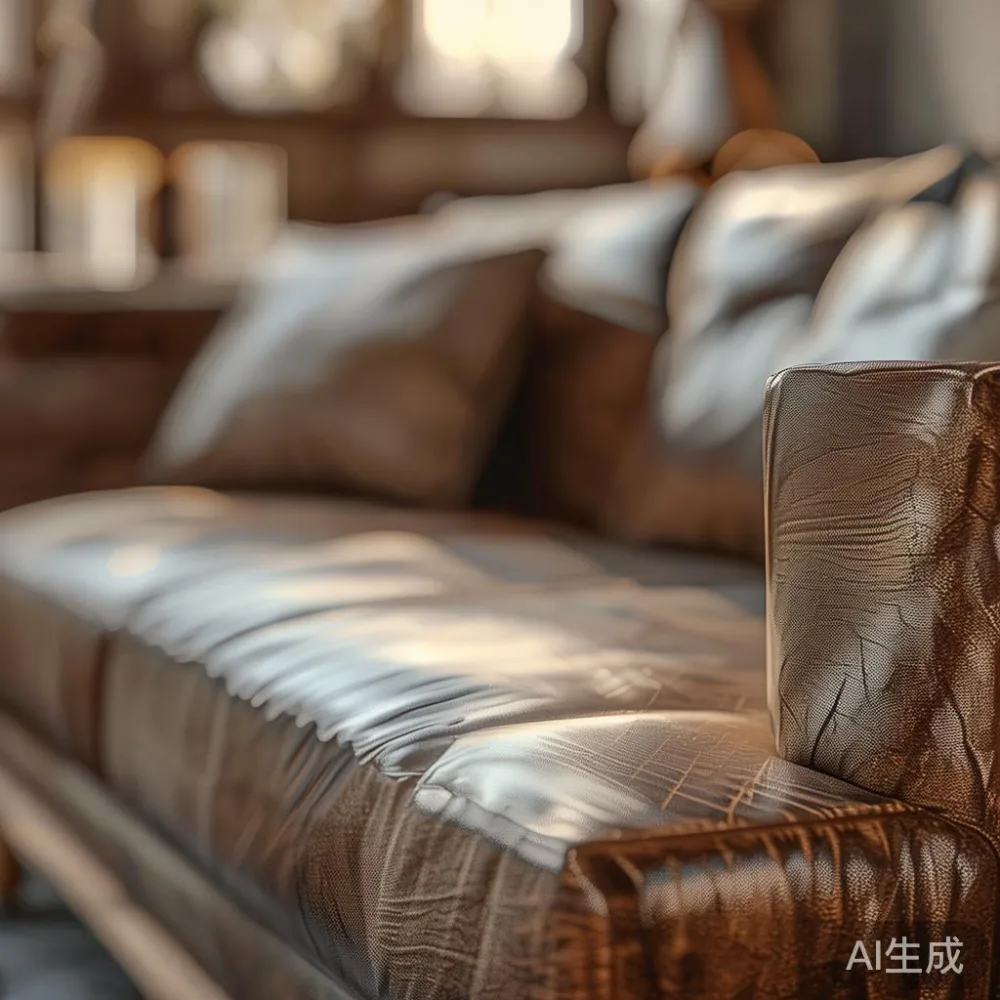
Outdoor air is only part of the exposure. Coastal condensation, a bathroom without ventilation, laundry drying indoors, and a kitchen beside the living area can create local humidity above 85%. A wardrobe near an ensuite wall may therefore age differently from a nightstand on the opposite side of a bedroom, even within the same unit.
What does excessive humidity do to a solid wood sofa and other furniture?
The first visible sign is often a dull or hazy finish. If moisture settles beneath a lacquered or oiled surface, the wood can swell microscopically and disrupt the reflected light. A dining table may show faint ripples, while a bed frame can develop small gaps around tenons. Wardrobes and nightstands may develop sticking doors if their panels have expanded against their frames.
Long-term exposure can also encourage mould in damp corners, although mould usually indicates persistent surface moisture or poor ventilation rather than wood alone. A material moisture reading above approximately 18% is a warning in many residential situations; above 20%, prolonged risk increases. These figures are more useful as inspection thresholds than as strict pass-or-fail limits, because the appropriate reference depends on species and service conditions.
Too much dryness creates a different problem. Air-conditioning at 22°C may lower wood moisture below 8% in a closed room. The result can be fine checking lines on a tabletop, a slightly loose drawer's runner, or tighter joints in a wardrobe. This is why keeping the entire room reasonably stable matters more than chasing one ideal number with a dehumidifier.
Solid wood sofa frames generally tolerate normal indoor humidity better than thin decorative veneers or poorly sealed panels. Thick mortise-and-tenon construction, clean contact surfaces, and an even finish also reduce the severity of movement. Lightweight particleboard may remain dimensionally stable in some conditions, but its edges and repeated fastener holes can deteriorate faster once moisture enters.
How much space should a sectional sofa leave around it in an HDB flat or condo?
A sectional sofa should be sized for the room and the air around it, not only for its seat count. For a typical HDB living room, leave at least 90 cm between the sectional and a balcony door, 60 cm beside a television cabinet, and 75 cm at the main walking side. A 30 cm gap from a wall is usually enough for airflow, provided skirting boards and sockets are not obstructed.
In lift lobbies and common corridors, furniture must fit both the building opening and the turning space. Before delivery, measure the lift door, the lift car at its narrowest point, and the corridor turns rather than relying on the unit number. A sectional sofa may fit an 800 mm lift door as a modular piece, but a 240 cm three-seat section may still be difficult to rotate inside an 1,400 × 1,100 mm car.
MIDHILL can help buyers plan sectional sofa modules for Singapore access before dispatch. Modular sections can be separated, carried through narrower corridors, and assembled in the living room. Doors and drawers should open with adequate clearance, and no panel should be forced during installation. For a dining table, allow 90 cm around the perimeter, or 75 cm in a compact dining zone if fewer than 6 chairs are used.
What is the best way to control humidity around furniture?
Begin with room-level humidity. In Singapore, a dehumidifier is most useful in enclosed bedrooms, wardrobes, and rooms with consistently high readings. Many compressor models can maintain 50–60% relative humidity and consume about 200–500 watts, depending on capacity and room size. For a 12–18 m² HDB room, a unit rated around 15–20 litres per day is a practical starting point. Set it to 55–60% during humid periods and 50–55% where condensation is common.
Do not aim for a bone-dry home. A relative-humidity reading between 50% and 65% suits many wood interiors and limits unnecessary movement. A digital hygrometer placed near the furniture gives a more useful indication than a weather-app figure for the whole neighbourhood. Measure beside a wardrobe, behind a nightstand, and near the dining table for several days before buying equipment.
Ventilation helps, but timing matters. Brief cross-ventilation after a shower or when laundry dries can remove local moisture. Leaving a dehumidifier running for 2–4 hours after cooking, then closing windows overnight, can reduce overnight condensation. In a Bedok or Tampines flat near a coastal road, keeping doors and windows closed when outdoor humidity is above 80% may be more effective than opening them.
Place solid wood furniture away from air-conditioner vents and exterior walls that collect condensation. Maintain at least 10–15 cm from a wall where circulation is possible, especially for a wardrobe or bed frame. Avoid positioning a nightstand directly beneath a window with frequent condensation. A marble table also needs separation from damp walls because its stone top and support frame can react differently to the room’s moisture.
How do I care for a solid wood surface without damaging its finish?
Use a soft, slightly damp cloth for routine cleaning, then dry the surface immediately. Wring the cloth rather than spraying cleaner directly onto a dining table or nightstand. A spray bottle may release too much liquid around a joint or edge, so even a small 30 ml mist should be applied to the cloth instead.
Choose care products according to the finish. Wax, oil, and lacquer are not interchangeable. For an oiled finish, use the manufacturer’s specified product and a clean cloth; for lacquer, follow the supplier’s instructions and test it on an underside section first. Apply treatment sparingly every 6–12 months, or more often if the surface feels dry in an air-conditioned room.
Keep felt pads under decorative objects and use coasters on a dining table or marble table. Wipe spills within 10 minutes, particularly water, alcohol, oil, and acidic drinks. Move vases and lamps so they do not create a damp ring. Do not place very hot cookware directly on timber; a trivet should be at least 10 cm above the wood.
Last month, I visited a colleague’s three-bedroom condo in Punggol after its owner reported a “sticky” wardrobe door. A moisture meter showed 74% beside the wardrobe but 58% near the corridor window. The affected side had been pressed against a cold external wall and touched a laundry-drying recess. After moving the wardrobe 12 cm away, improving local ventilation, and reducing the room’s humidity to 60%, the door closed normally within 3 days without planing or replacement. That visit reinforced how much location matters.
Can Singaporean humidity ruin a bed frame, dining table, wardrobe, or nightstand?
Not under normal residential conditions if the furniture is made for the climate and cared for correctly. A well-built solid wood bed frame, dining table, wardrobe, and nightstand can remain serviceable for 10 years or more. The main risks come from repeated extremes, direct water exposure, poor edge sealing, and installation against damp walls.
Look for solid timber in load-bearing areas, stable joinery, finished undersides, and properly fitted drawer hardware. For an oversized dining table, ask whether the top is split or joined to reduce cupping. For a wardrobe, confirm that adjustable shelves and hanging rails can accommodate seasonal panel movement. A nightstand should have sealed edges and runners that do not rely on swollen particleboard.
Buyers comparing styles often search for luxury Modern light luxury furniture, and solid timber supports that design direction well. A French light luxury room may use pale oak, curved profiles, and restrained brass details, while an American light luxury scheme often combines walnut-toned timber, generous upholstery, and clean panels. A post-modern light luxury interior can tolerate stronger shapes, but the same moisture rules apply.
Other purchasing questions include how to choose French bed for a humid HDB bedroom, top 10 Boho furniture ideas using rattan with solid wood frames, and whether is European wardrobe worth it for a compact Singapore home. For a guest room, Japandi for guest room layouts benefit from slim wardrobes and raised furniture that can be inspected and cleaned. An Italian light luxury accent chair may use solid wood legs, though the upholstery and joinery should receive the same climate attention as a dining table.
How should furniture be packed and delivered in Singapore?
Good packing is the first moisture-control layer. Solid wood should acclimatise gradually after delivery, especially if it has travelled from a cooler or drier region. Keep large pieces wrapped for roughly 24–48 hours, then unwrap them while maintaining room ventilation. Remove cardboard and protective film from beneath a dining table or bed frame so trapped moisture cannot remain against the timber.
Confirm the delivery route before the day arrives. A sectional sofa should arrive in modules that can pass through the lift and corridor without scraping. A dining table top may need separate lifting; for example, a 200 × 100 cm top in 2 sections can ease a difficult landing. Wardrobes should arrive with their panels protected individually, while marble table components require especially careful edge handling.
Singapore’s GST is normally 9%, so a listed price such as SGD 2,800 becomes SGD 3,052 before delivery or other applicable charges. Delivery timing and access requirements should be checked together. MIDHILL’s 14-day return policy allows a buyer to assess scale, access, and surface condition, while the 10-year structural warranty addresses long-term frame integrity. Lifetime refinishing offers a route to renew a finish when room conditions change or preferences shift.
What should a Singapore buyer check before ordering solid wood furniture?
Ask for clear dimensions in centimetres, a drawing of the room if delivery is complex, and details about timber species, joinery, finish, and expected acclimatisation. For a sectional sofa, compare the assembled width with the lift-car dimensions and the narrowest corridor turn. Confirm seat depth, chaise orientation, arm height, and whether modules can be separated.
For a dining table, check clearance of at least 75–90 cm, top thickness, extension method, and stability under humid conditions. For a bed frame, inspect slat spacing, centre support, headboard fixings, and under-bed clearance. For a wardrobe, measure internal drawer space and door swing in the actual bedroom, including skirting and socket positions. For a nightstand, check whether drawers remain smooth when humidity changes.
Ask whether the supplier adjusts wood for the destination climate, uses protective materials during transport, and offers support after delivery. A 10-year structural warranty is useful, but care guidance matters just as much. A product intended for 15 or more countries should have export experience, though Singapore access and service still need local planning.
Humidity does not automatically shorten the life of solid wood. It makes careful spacing, stable indoor readings, and correct care more important. With a sectional sofa measured for its route, dining and storage pieces kept away from damp walls, and a relative-humidity target around 50–65%, furniture can retain its shape, finish, and visual character for many years.