Living with Wood in Singapore's Humidity: A Practical Guide for Your Sectional Sofa
For many Singapore homeowners, the dream of a beautiful home includes solid wood furniture. The warmth, texture, and timeless appeal of a solid wood sectional sofa or a dining table can transform a living space. However, living in Singapore, particularly in high-density housing estates like Tampines, Bedok, or Punggol, presents a unique challenge for wood: a consistently high and fluctuating humidity level. Understanding this relationship is not just about preserving aesthetics; it's about protecting a significant investment in your home.
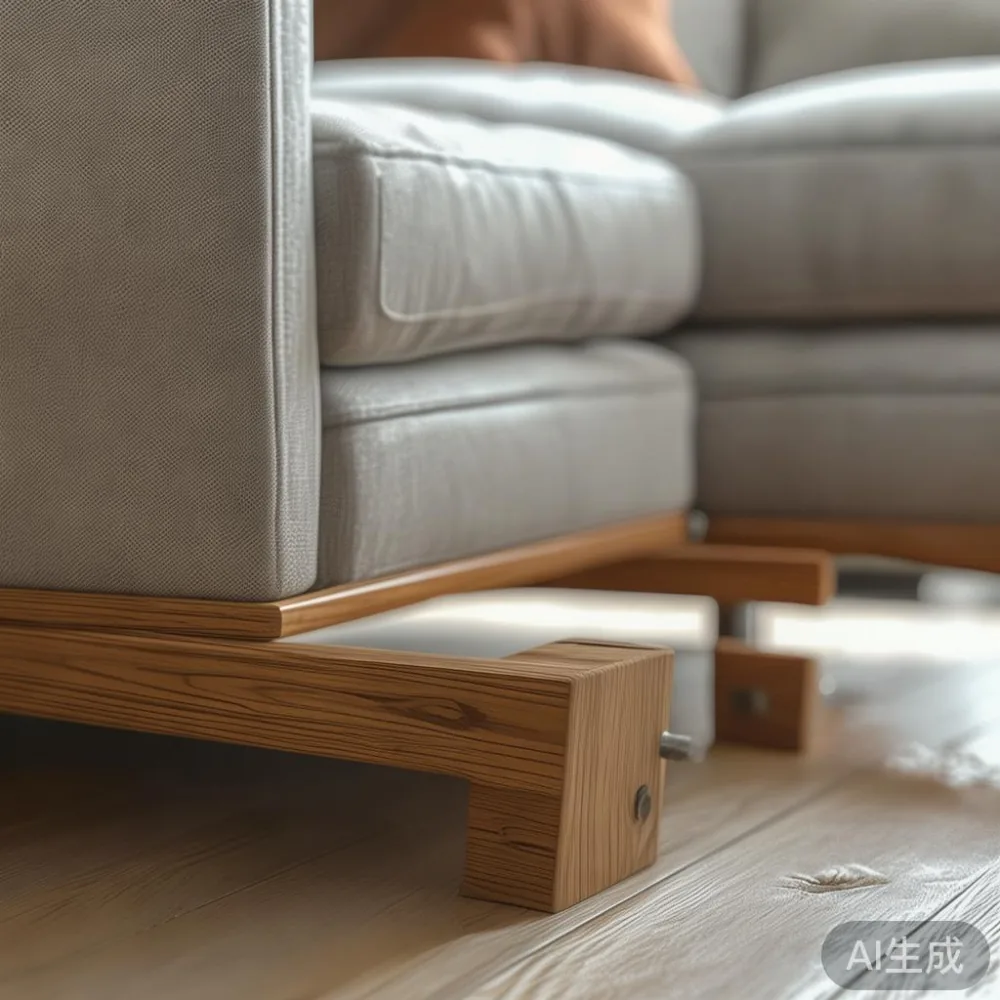
Why Does Humidity Affect Solid Wood Furniture So Much?
Wood is a hygroscopic material, which is a scientific way of saying it absorbs and releases moisture from the air. Think of it like a sponge, but one that reacts slowly. When the humidity in your HDB flat or condo is high, the wood fibers absorb moisture and swell. When the humidity drops, the wood releases moisture and contracts. This natural process, known as movement, is completely normal for solid wood. The problem arises when this movement is excessive or uneven, leading to visible and structural issues.
In Singapore, the relative humidity often hovers between 70% and 90%, especially during the monsoon seasons. This constant exposure to moisture means your solid wood sectional sofa is almost always in a state of expansion. The real danger comes from rapid changes. An air-conditioned room at 23°C and 60% humidity is a much different environment than the balcony or a non-AC room during a downpour. This fluctuation can cause the wood to expand and contract too quickly, leading to stress that results in cracks, warping, or joints loosening over time.
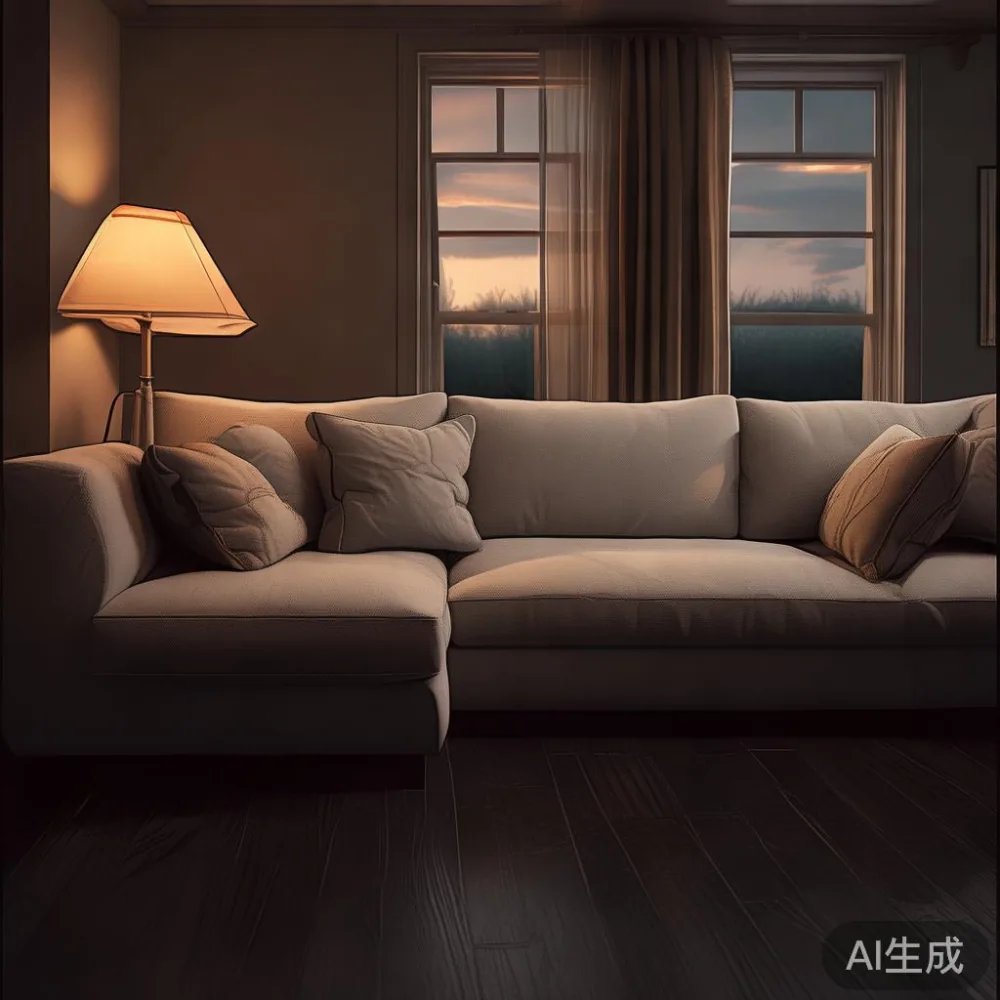
What Are the Telltale Signs of Humidity Damage on Your Sectional Sofa?
Identifying the early signs of humidity stress can help you take action before the damage becomes severe. These signs are often subtle at first but become more pronounced over time. Being aware of them can save you from costly repairs or the need to replace your furniture prematurely.
One of the most common signs is the appearance of small cracks, known as 'checks,' on the surface of the wood. You might notice these on the arms or backrest of your sectional sofa. Another indicator is a change in the fit of the furniture. Drawers in a wardrobe might stick or become loose, or panels on a bed frame might no longer sit flush. You might also notice a slight warping, where a flat surface like a tabletop or the seat of a sofa cushion base begins to curve or bow. In severe cases, you can hear creaking or popping sounds as the wood shifts and stresses the joints and fasteners.
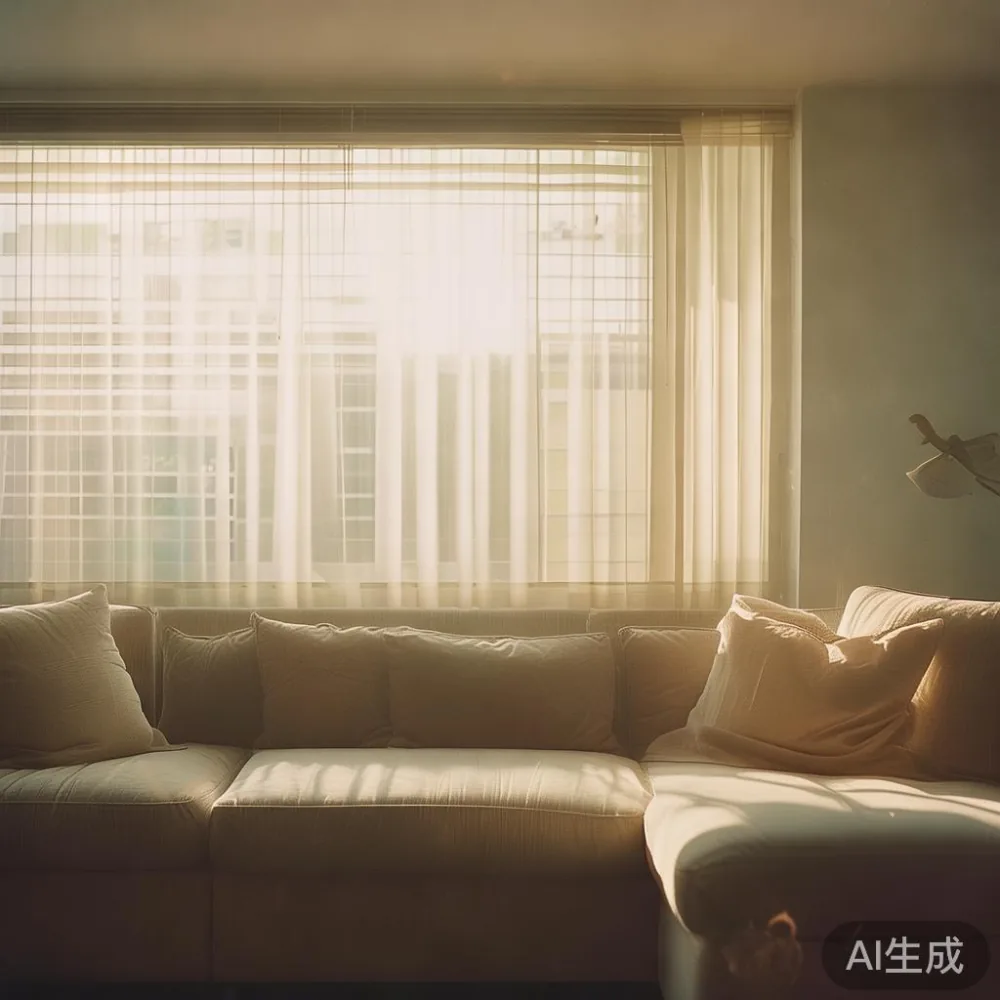
How Do Singapore's Specific Living Conditions Amplify the Problem?
Singapore's housing context adds specific layers to the humidity challenge. The design of HDB flats and modern condos, while efficient, can create microclimates that are tough on wood. Consider the common layout of a 4-room HDB flat. The living area, where a large sectional sofa would be placed, is often an open space connecting to the dining area and sometimes even a dry kitchen. This means the furniture is exposed to varying conditions throughout the day.
The physical dimensions of the space also matter. A sectional sofa for a Singapore home needs to be carefully sized. A typical unit might measure around 280cm to 350cm in width to fit comfortably in a standard living room without overwhelming the space. The lift and corridor widths in older estates can be a constraint, with some lifts measuring only 110cm x 110cm, meaning the sectional sofa often needs to be delivered in parts and assembled inside the home. This assembly process must account for the wood's current moisture content to ensure a tight, lasting fit.
Also, the presence of GST (currently 9%) on furniture purchases makes protecting your investment even more important. A solid wood sectional sofa is a significant purchase, often costing between SGD 2,500 and SGD 5,000. Paying that amount only to see it damaged by preventable environmental factors is a frustrating experience. The same applies to other pieces like a dining table or a wardrobe, which can command prices from SGD 1,800 to over SGD 4,000.
What Can You Do to Protect Your Sectional Sofa and Other Wood Furniture?
The good news is that with a few practical steps, you can significantly reduce the impact of humidity on your solid wood furniture. It's about managing the environment and choosing the right products from the start. Prevention is always more effective and less expensive than repair.
First and foremost, consistent climate control is key. Using an air conditioner not only cools the room but also dehumidifies the air. Try to maintain a stable temperature and humidity level. A good target is around 24-26°C with a relative humidity of 50-60%. Avoid placing your wood furniture directly in front of air-conditioning vents, as the cold, dry air blowing directly onto the wood can cause localized contraction and cracking. Similarly, keep your sectional sofa at least 30cm away from any direct heat sources like radiators or strong lamps.
Ventilation is another important factor. While keeping windows closed during high-humidity periods is wise, it's good practice to air out your home when the humidity is lower, typically in the mid-afternoon on a sunny day. This allows for some air exchange without introducing a large amount of moisture. For items like a wardrobe or a nightstand, placing silica gel desiccant packs inside the drawers can help absorb excess moisture. Finally, regular care is important. Dust your furniture with a soft, dry cloth to remove any particles that could trap moisture. Use a high-quality furniture polish that contains wax, as it creates a protective barrier over the wood, helping to seal it from the air's humidity.
How Should You Choose a Sectional Sofa Built for Singapore's Climate?
When shopping for a new sectional sofa, the construction and materials are just as important as the style. Not all solid wood furniture is created equal, especially for handling humidity. As a specialist, I always advise clients to look for specific features that indicate a higher quality, more durable product.
Last month, I visited a client in a new condo in Punggol who was having issues with a sectional sofa she bought from a local retailer. The wood joints were already loose after just one year. The problem was that the manufacturer had used cheap, kiln-dried wood that hadn't been properly acclimated to the local climate. A reputable manufacturer like MIDHILL, for example, understands this. They use wood that is dried to a moisture content level suitable for the export regions, which includes Singapore. This process, known as 'acclimation,' allows the wood to stabilize before it's even built into a sofa, making it much less likely to react negatively to your home's environment.
Look for furniture that uses 'solid wood' frames, not 'engineered wood' or 'particleboard' with a wood veneer. Solid wood can handle movement better. Also, pay attention to the joinery. Dovetail joints, mortise and tenon joints, and dowels are far superior to simple screws or staples, as they allow for the natural movement of the wood without compromising the structure. The finish is also critical. A multi-layered lacquer or oil-based finish provides a much better moisture barrier than a simple, thin layer of paint. When you're making a purchase, especially online, always check the warranty. A 10-year structural warranty, like the one offered by some manufacturers, is a strong indicator of confidence in the product's ability to withstand environmental stressors. This peace of mind is worth the investment, as it covers the core structural integrity of your sectional sofa for a decade.
Is a French Provincial Style Sectional Sofa a Good Choice for Humid Singapore?
The French provincial style, with its elegant curves, carved details, and soft, light-colored upholstery, is a popular choice for homeowners seeking a touch of light luxury. But is it practical for our humid climate? The answer is yes, provided you choose the right piece. The style itself is not the issue; the construction is.
A French provincial sectional sofa can be a stunning addition to a Singapore living room. The key is to find one made from a durable hardwood like oak or mango wood, which has a tighter grain and is more stable than softer woods. The light, airy aesthetic of the style complements the bright, open spaces of modern HDBs and condos. You can find beautiful pieces that fit the budget, with options for under 2000 French provincial furniture if you look for smaller configurations or simpler designs. For those who prefer a different aesthetic, the clean lines of American light luxury or the minimalist forms of post-modern light luxury are also excellent choices that prioritize quality and functionality.
When selecting a French provincial coffee table or a wardrobe to match your sectional sofa, the same principles apply. A solid wood construction with a protective finish is non-negotiable. For example, a client might choose a MIDHILL French provincial wardrobe for their master bedroom, valuing its classic design and knowing that the solid oak frame and durable lacquer finish will protect their clothes and the furniture itself from Singapore's humidity. The beauty of these styles lies in their craftsmanship, and that craftsmanship should be backed by materials that can endure the local climate. Whether you're looking for the best European light luxury furniture or a more minimalist Japanese-inspired piece under 2000 Japanese furniture, the focus should always be on the quality of the materials and the build.
In the end, your home is your sanctuary, and your furniture should reflect that. By understanding how humidity affects wood and making informed choices, you can enjoy the timeless beauty of solid furniture for years to come. It's about creating a harmonious balance between your aesthetic desires and the practical realities of your environment.