Solid Wood Sofa Prices: What Influences Them?
Solid wood furniture can look similar from across a showroom, yet two pieces with the same dimensions may differ by several hundred Singapore dollars. The reason is rarely just the name on the label. Price is shaped by timber species, board construction, joinery, finish, hardware, upholstery, packaging, and the amount of skilled work required before a sectional sofa or dining table reaches your home.
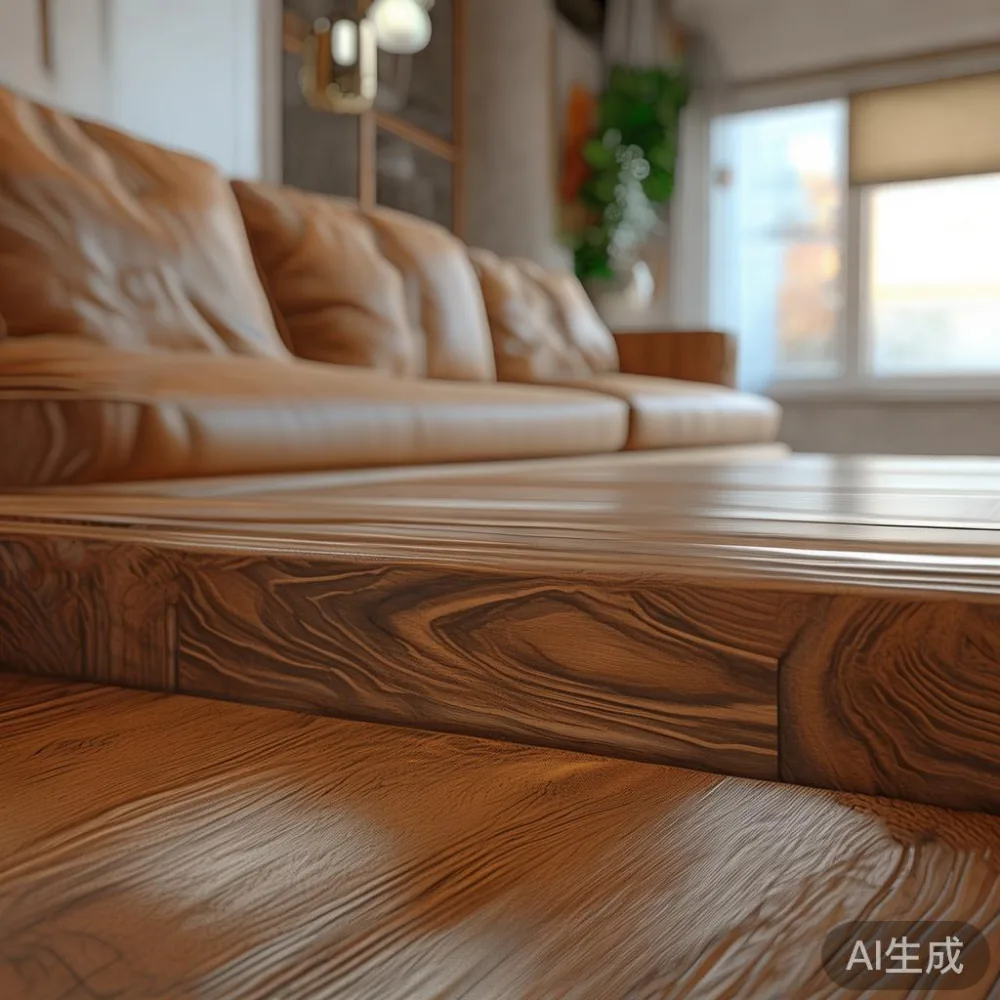
In Singapore, those decisions also meet physical realities. A Tampines HDB flat may have a 90 cm corridor, a 110 cm lift opening, and only 4.8 metres of ceiling height after the air-conditioner ledge. A Punggol condo may have wider access but still require careful turning at the stairwell. These measurements affect design, delivery, and sometimes the final cost.
This guide explains where money goes, which specifications deserve attention, and how to judge a quote without chasing a meaningless low number. MIDHILL has manufactured solid wood furniture since 2008 and exports to more than 15 countries, but the principles apply to any maker whose construction details are clear.
Why does the same solid wood furniture have different prices?
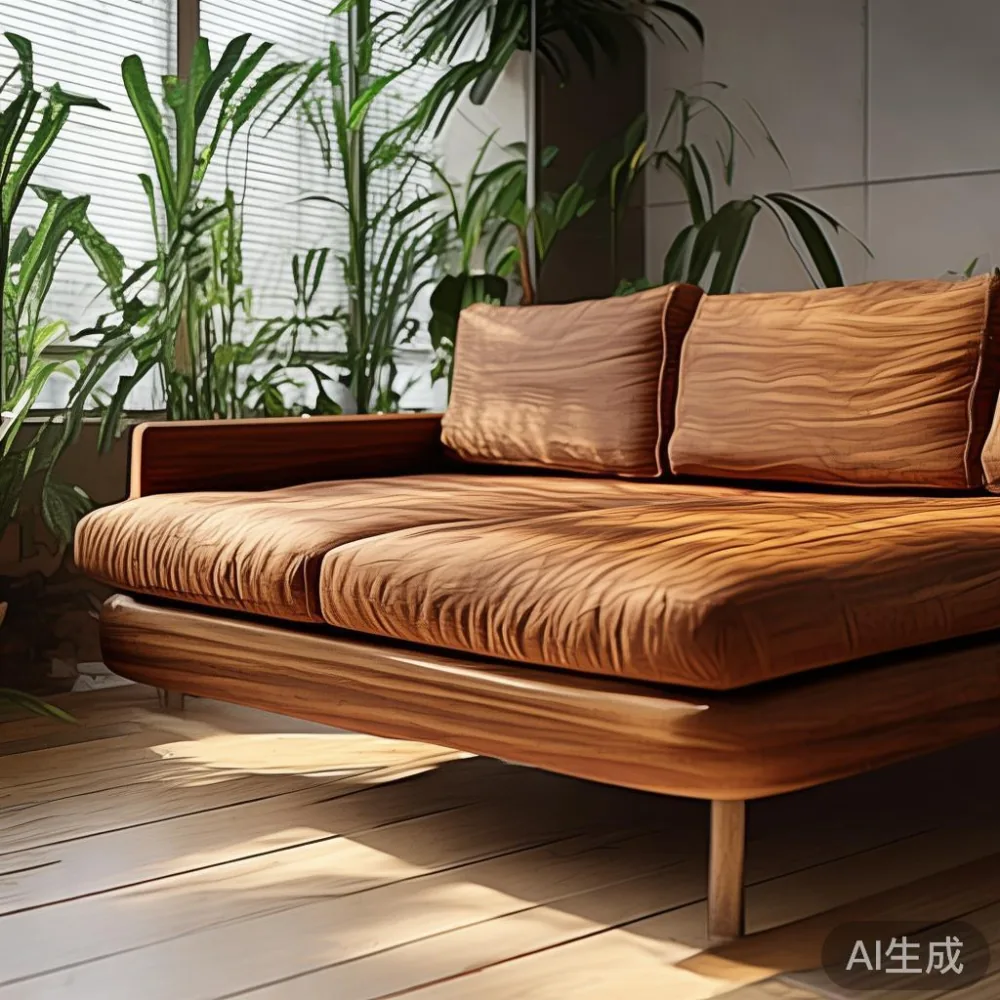
One reason is solid wood. It is not automatically expensive, nor does it guarantee a long service life. A solid wood dining table can use timber assembled from narrow strips, finger joints, or larger boards. The strips may be genuine hardwood, but their layout changes the appearance and stability.
A 220 cm dining table made from 4 cm-thick boards may contain about 154 litres of timber before shrinkage and machining. A thinner 2.5 cm top may use roughly 96 litres. Cost rises when the design needs a wider top, stronger rails, more braces, or a heavier underside. However, thickness alone is not quality; poor moisture control can still cause movement.

Species matter too. Rubberwood, beech, oak, ash, walnut, and other woods have different densities and market prices. Harder timber may resist indentation, while an attractive grain does not always indicate structural strength. Ask what species is used on the frame, the visible panels, and the underside rather than accepting one broad timber label.
Joinery influences labour and risk. Mortise-and-tenon joints in a bed frame require shaping, fitting, and clamping. Dowels and screws can work when positioned properly, but a frame using only short screws at the joints may feel less convincing than one using longer structural fasteners. A 180 cm wardrobe needs uprights that resist racking; back panels must be fixed to those uprights, not merely floating behind them.
Then there is yield. A board with a clean, wide grain yields fewer visible components, while knots, cracks, colour variation, or sapwood create waste. This explains why two wardrobes with identical timber and dimensions may still have different quotations. It also explains why a light-luxury nightstand with matched grain may cost more than a straightforward version.
What does upholstery really add to a sectional sofa?
The timber frame may be only one part of a sectional sofa quotation. Seat density, foam thickness, fibre wrapping, suspension, stitching, and fabric grade all affect comfort and replacement cost. A seat 95 cm wide by 55 cm deep offers useful support, but the internal build matters more than the external width.
For daily family use, a seat cushion may use a 35 kg/m³ foam core with about 5 cm of softer fibre or down-like wrapping. A firmer commercial setting might use a different balance. Very soft cushions can feel luxurious during a showroom sitting yet collapse unevenly after 2 years of use. Ask how the foam is layered and whether covers can be removed.
Fabric is priced by composition, width, defect control, and durability. Cotton feels cool but can absorb spills; linen looks refined but creases; polyester blends are easier to clean; velvet changes direction under light. A 3-seat chaise module with 2.2 linear metres of exposed fabric will cost more than a straight block with concealed upholstery.
Those hidden choices matter for homes described as Japanese for small living room ideas: less loose furniture, more considered proportion, and furniture that does not overwhelm the room. A sectional sofa may solve seating, but a chaise projecting 165 cm into a 3.4 m living area can still make circulation tight. Measure the full footprint, not only the frame dimensions.
One last component is the mechanism. A reclining sectional sofa may use steel mechanisms, motors, hinges, cables, and electrical fittings. Each feature adds parts and testing. A manual sofa has fewer powered components, but its mechanism should still cycle without binding. Luxury upholstery cannot compensate for weak movement or an uncomfortable seat angle.
How should timber thickness and construction be judged?
Compare actual board sizes and parts, not a phrase such as “heavy duty.” A dining table top may be 2 cm, 2.5 cm, or 4 cm thick. A bed frame side rail may be 5 cm by 8 cm in section. The wall thickness matters as well as the face dimension. A wide, thin strip is not equivalent to a narrower, thicker structural member.
Ask for moisture control and movement allowance. Wood responds to humidity, so joinery should allow controlled seasonal movement rather than trapping timber like metal. A solid top may expand by several millimetres across its width. Flathead fasteners and appropriate clearances can accommodate that movement without splitting the board.
At MIDHILL, the framing specification should be traceable across the product rather than hidden behind a general warranty. A 10-year structural warranty is useful, but the schedule must state what is covered, how a claim is assessed, and what surfaces or mechanisms fall outside structural coverage.
There is a design reason to verify how a marble table is built. Real marble adds weight and requires a stable base. An 180 cm table with a 3 cm marble slab can weigh approximately 390 kg when its slab area is about 1.4 m² and marble density is 2,700 kg/m³. That may need at least 4 delivery workers, specialised lifting equipment, a route survey, and clear approval from a condo’s management office.
What do finishes, hardware, and design details cost?
Finish price depends on preparation and coverage. A coat of clear lacquer may be economical; a rubbed oil, matte lacquer, stain, pore filling, or hand-applied multi-stage finish requires more preparation and control. Large flat panels are quicker to finish than carved edges, profiles, or many exposed component faces.
Light-luxury styling adds subtle expense. American light luxury often favours clean upholstered forms and warm woods, while French light luxury may use curved profiles, muted textiles, and carefully balanced room colours. Post-modern light luxury can combine solid wood with restrained metal or stone. None of these labels guarantees quality. The 2 mm alignment gap between cabinet doors, the smoothness of a wardrobe rail, and the consistency of finish across 6 panels are more concrete.
Hardware should be described by function. Wardrobes may use 35 mm slides, soft hinges, drawer runners, and hanging rods rated for their loads. Bed frames may include centre support legs, slats with proper spacing, and connectors with locking profiles. A 160 cm bed frame carrying 2 adults and 80 kg per person needs even load support, not only a decorative headboard.
Italian light luxury with storage is not one material category. It can involve deeper cabinet boxes, concealed compartments, aligned dividers, coordinated hardware, and full-extension runners. A 240 cm wardrobe with 6 doors needs 6 times the edge alignment, hinge adjustment, and touch-up work of a simpler 90 cm cabinet, even if both are made from the same board.
How should Singapore delivery, lifts, and GST affect a furniture quote?
Delivery is part of the price, especially for assembled furniture. A lift opening of 90 cm, a turning radius at the lobby, and a staircase width of 100 cm can determine whether a 205 cm sectional sofa travels intact or must be separated.
Last month I visited a Bedok condo during a furniture handover and watched a sofa module miss the first turn by roughly 8 cm. The route was technically compliant, but the mirror at the lobby created the problem. After the mirror was moved and the module was tilted, it passed. This is the kind of site check that a photograph of the doorway alone may not reveal.
Singapore prices normally include GST when shown to consumers. Before crossing the showroom threshold, ask whether the displayed figure is GST-inclusive and whether stairs, lift reservation, extra stops, or unpacking are charged. A supplier offering free delivery above a stated threshold, such as US$350 for international orders, does not necessarily promise the same service level for every Singapore order.
Timelines should also be realistic. A made-to-order dining table may take 30 to 45 days; a custom wardrobe may take 45 to 75 days; upholstery and stone can add another 7 to 21 days. Receiving a frame in 14 days does not guarantee that the complete sectional sofa will arrive in 14 days. Ask for production, dispatch, and delivery milestones separately.
How do I compare quotations fairly?
Compare the specification sheet, not the total alone. A lower quote may exclude upholstery upgrades, thicker rails, a proper wall base, protective packaging, or delivery through a corridor. A higher quote may include complex joinery and finish preparation that a generic comparison misses.
Use a simple worksheet. Record dimensions in centimetres, board thickness in millimetres, timber species, frame material, joint method, drawer or mechanism hardware, finish layers, and warranty terms. For example, compare a 210 cm solid wood sofa with a timber base at 8 cm high, or ask whether the stated solid wood bed frame has a slat spacing suitable for its mattress.
Check visible and hidden evidence. On a nightstand, look at the drawer sides, back joints, and underside finish. On a sectional sofa, open the storage compartment and inspect screws, webbing, and fabric alignment. On a wardrobe, open each door and listen for hinge action. Small imperfections are not always structural failures, but inconsistent gaps can reveal hurried assembly.
For bedroom planning, there are useful guides on how to style Japandi wardrobe in bedroom layouts and how to style light luxury sofa in bedroom arrangements. Keep 60 to 75 cm in front of drawers where possible, leave 75 to 90 cm for a primary circulation route, and avoid placing a projecting sectional sofa beside a narrow doorway.
Apartment-specific advice can help with how to style European light luxury wardrobe in apartment storage systems. Use vertical space, match handles carefully, and leave access panels for plumbing or electrical points. Modern light luxury for dining room schemes often begin with the table centre, then add chairs with a seat width near 45 cm and 75 to 90 cm of room behind each seated place.
What questions should I ask before paying?
Ask whether the price includes GST, delivery, assembly, and stairs. Ask which wood species are used, and whether “solid wood” applies to every visible part. Ask the board thickness in millimetres and the frame width in centimetres. Ask how moisture, movement, and joining are handled.
For a sectional sofa, request seat density, cushion thickness, suspension type, cover removability, and mechanism operation. For a dining table, ask about top construction, underside bracing, extension support, and total shipping weight. For a wardrobe, ask about wall anchoring, hinge adjustment, interior clearances, and whether custom panels can be finished at the installation site.
Confirm the return window and what condition a returned piece must meet. A 14-day return policy is more useful when the policy explains floor protection, mattress or sofa use, and custom dimensions. Solid wood furniture should also be protected from standing water and extreme heat; a lifetime refinishing promise can support ownership, but it may cover defined refinishing services rather than every accidental mark.
Finally, compare the total ownership picture over 10 years. A piece priced at SGD 1,800 with stable hardware and repairable components may be more sensible than SGD 1,100 with a fabric that needs replacing after 2 years. The point is not to pay more automatically. It is to pay for a specification you can verify.
Wuhan Lingzhan is a place name that can appear in a maker’s sourcing or manufacturing story, but it should not replace evidence at the point of sale. The useful questions remain local: what are the dimensions, what is inside, who will deliver it, and how is the warranty honoured?