Key Factors for Choosing Your Sectional Sofa
A sectional sofa is usually purchased for two reasons: comfortable seating and a generous welcome. In a Singapore home, though, a beautiful sectional can also become a delivery problem, a corridor problem, or a long-term space problem. The showroom floor says “sofa”; the HDB lift says something else.
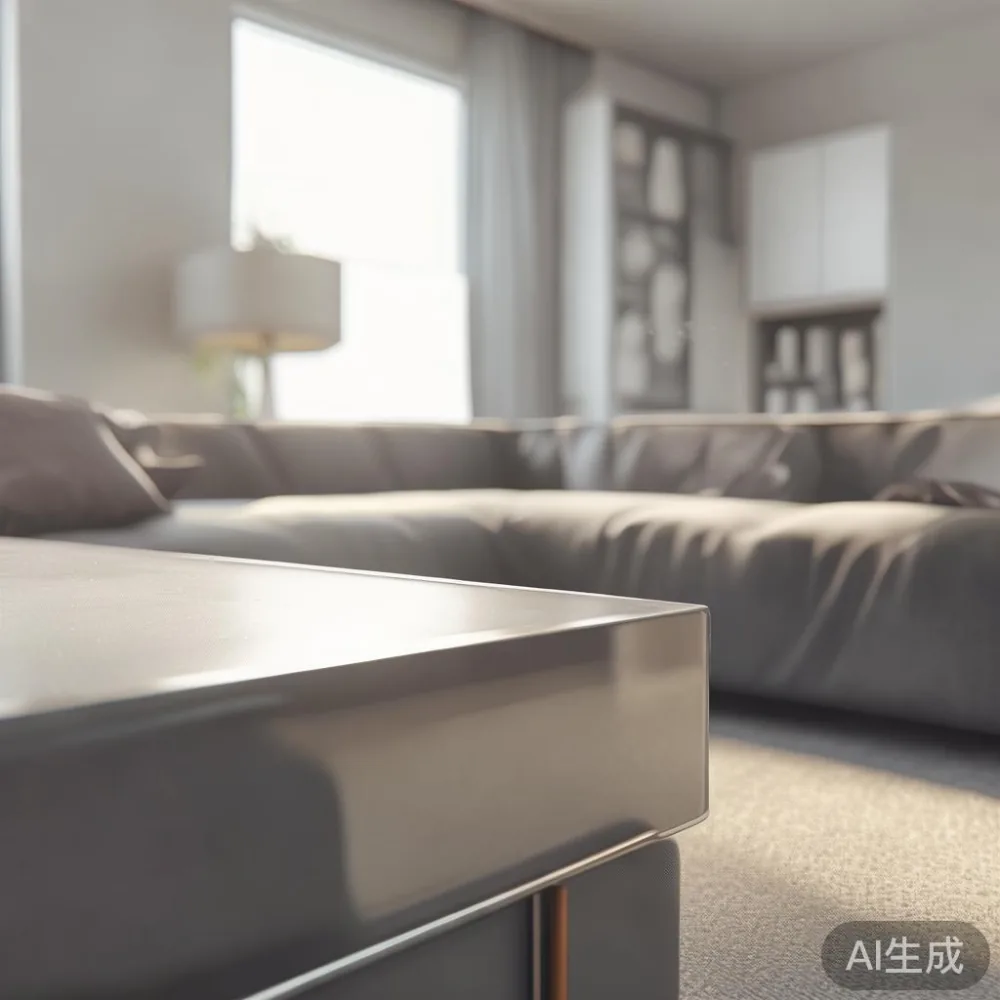
I visited a customer’s Tampines flat last month with a tape measure and a folding rule. The sectional sofa they had ordered measured 248 cm across, while the common corridor narrowed to 112 cm at a pipe and the lift opening was only 90 cm wide. The pieces would fit individually, but the chaise and corner unit could not be turned into the stairwell. We had to cancel that delivery and order a smaller configuration. That experience changed the way I look at every large sofa: dimensions, route, and flexibility matter as much as fabric.
This guide explains what to check before buying a sofa you cannot sit on yet. “Cannot sit on” may mean it cannot enter the flat, cannot be assembled properly, or cannot leave through the route when you move home. It may also mean the price is presented without GST, the warranty is vague, or the sample does not reveal how firm the seat feels after 30 minutes.
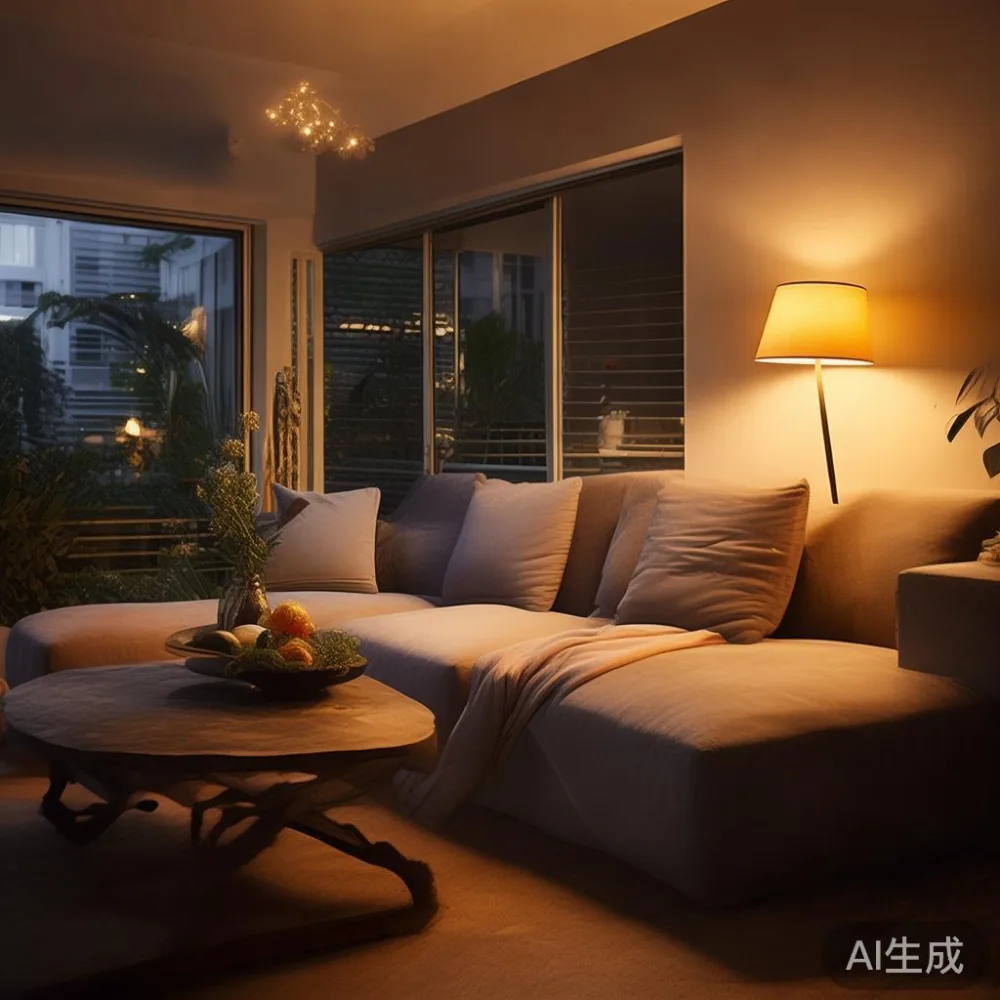
Can the sectional sofa reach your HDB flat or condo?
Measure the route, not only the room. For an HDB flat in Tampines, Bedok, or Punggol, record the lift door width, lift car depth, lift car height, corridor width, corner turns, stair width, and the height of any pipe or signboard. A sectional sofa may arrive as separate modules, but each module still needs enough clearance. Ask the retailer for the packed dimensions and the largest module’s weight; do not rely on a photograph of the assembled sofa.
For practical planning, allow at least 5 cm of extra clearance around a module when turning it through a corridor. Keep a margin of 3–5 cm below a low doorway or overhead pipe. A lift should be assessed by its usable internal dimensions, not the dimensions printed on the building brochure. If the lift measures 110 cm wide and 140 cm deep, a 105 cm module may pass while a 120 cm module will not, even if a diagonal measurement appears promising.
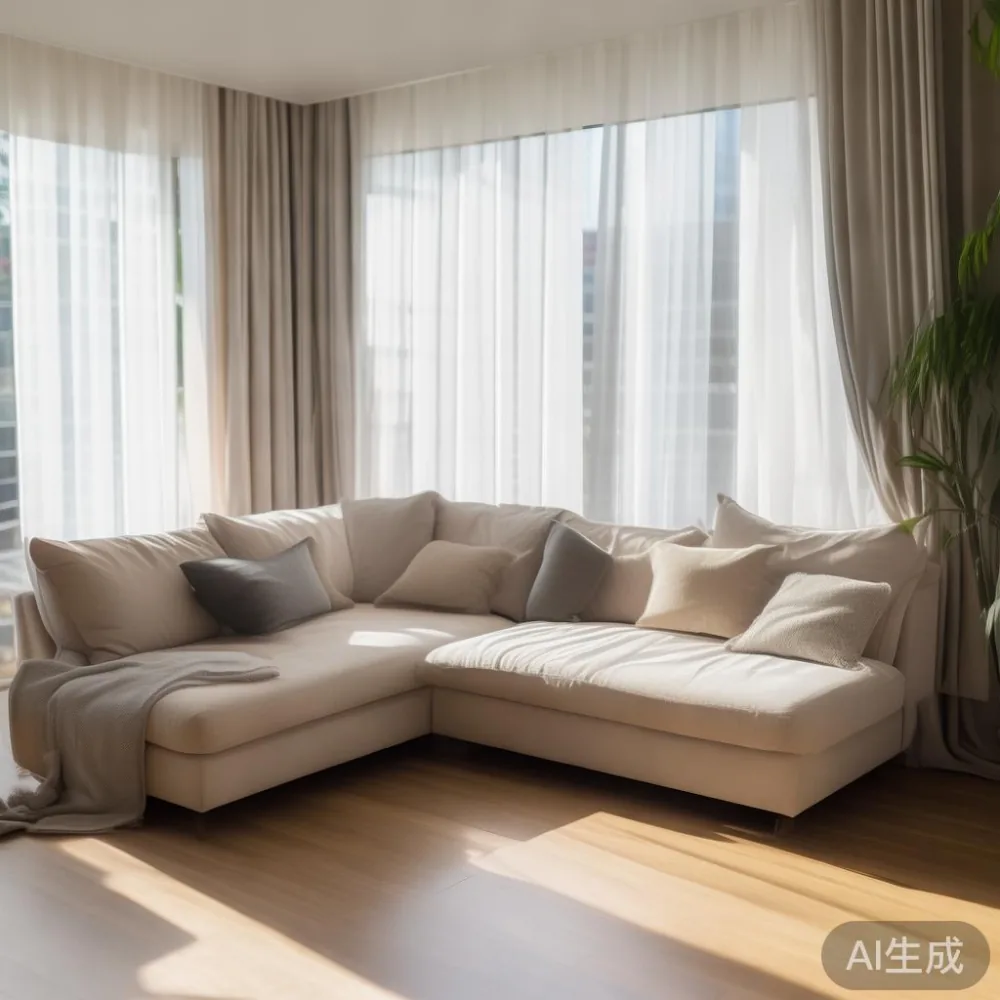
Condo service corridors can be narrower than public corridors, and the loading bay may involve a second turn. Photograph the lift controls and note whether the sofa must be moved on its side or on its base. For bulky pieces, use a professional delivery survey rather than assuming the concierge can solve a staircase issue. A Singapore mover may charge around SGD 80–180 for a standard carry-in, but a failed delivery can cost SGD 200–600 in redelivery and storage fees.
MIDHILL can provide product and packing measurements before shipment, while the delivery team should confirm the access details. Ask for the actual lift and corridor measurements in writing. If a retailer cannot supply them, treat that as a missing part of the product information.
Will the sectional sofa fit the room after delivery?
Measure the room with a paper outline before ordering. Mark the sectional sofa on the floor at its true size, then walk around it. Leave 75–90 cm for a main circulation path, 45–60 cm beside a sofa arm for a person to sit down, and 60 cm where a dining chair must be pulled back. In a compact HDB living room, a 220 cm sectional may work if the television wall is clear; a 280 cm sectional may overwhelm a 300 cm-wide room even when it technically fits.
Check the sofa against the dining zone. A chaise projecting 150–170 cm into the room can interfere with the route to a kitchen or balcony door. If you want a dining table in the same space, allow at least 90 cm between the table edge and a seated person’s chair zone. That is where a small round dining table or a narrow console can make more sense than forcing another large object into the room.
Also consider the direction of the sectional. A left-facing chaise works differently from a right-facing chaise when the television and balcony are fixed. Reversible modules are useful, but confirm whether the back cushions and seat cushions can be rearranged without changing the visual line of the sofa. A modular sectional sofa with a removable arm may preserve more options than a fixed three-seat unit.
Light-luxury styling works well here. French light luxury often uses pale upholstery, slim legs, and gentle curves; American light luxury favours deeper tones, broad cushions, and a relaxed profile. Post-modern light luxury can be recognised by clean geometry, restrained colour, and a mix of textures. If your room is narrow, search for Post-modern for small living room ideas that use vertical lines and low visual clutter rather than a oversized silhouette.
Is the seat comfortable, or only attractive in the showroom?
Sit on the sectional sofa for at least 10 minutes, then lie down for another 5 minutes if you expect naps or evening use. A showroom seat can feel supportive because you are upright and alert. After 20 minutes, check whether the cushion pushes your lower back forward, whether the arm is too low for eating, and whether the seat edge presses behind your knees.
Feel the transition between modules. A deep sectional may use a 16–20 cm seat height, while a lower lounge design may use 40–45 cm. That 4–5 cm difference matters when older adults stand up. The back height should support the shoulders without making the sofa look like a high armchair. Ask whether the cushion fill is foam, fibre, or a combination, and how it changes after daily use.
Look for removable and washable covers if there are children, pets, or frequent meals. Request the fabric’s Martindale rating where the seller supplies it; a rating of 30,000 cycles suits many busy homes, while 15,000 may be more appropriate for a lightly used formal room. Do not accept “soft” or “premium” as a substitute for a specification.
For a coastal interior, Coastal for small living room styling can use sand, seafoam, or pale blue upholstery with a light oak or painted solid wood base. The palette should not make cleaning harder. Dark woven fibres show pale dust and lint, so ask for a stain-cleaning guide and test a sample with water and a mild fabric cleaner before purchase.
What does the price include in Singapore?
Compare the total payable amount in SGD, including GST and delivery. A sectional sofa advertised at SGD 2,680 before GST becomes SGD 3,074.20 at 9% GST. Add SGD 60–180 for delivery to a standard Singapore address, depending on the building, lift, and number of modules. A lift surcharge of SGD 25–80 may apply, and a second-floor walk-up can cost more.
Ask what is included: legs, assembly, protective wrapping, removal of packaging, and the warranty registration. A 10-year structural warranty should cover the frame under normal household use, but read the exclusions. It should not be confused with a 10-year warranty on every cushion, zipper, or stain. Confirm whether the warranty is transferable to the next owner and how a claim is processed.
Free shipping over US$350 is mentioned for international orders, but Singapore buyers should still request a local quote rather than converting an overseas threshold into an assumption. A local delivery quote should state the date window, access conditions, and any lift or corridor charge. Keep screenshots of the listing and written quotation.
Payment methods also matter. Card, bank transfer, and instalment plans can have different refund terms. A deposit may be non-refundable after custom upholstery begins, while stock pieces usually have clearer cancellation terms. Check the return period—14 days is a useful baseline—along with the condition required for return, restocking fee, and return-delivery cost.
Is the frame made to last, and what does “solid wood” mean?
A solid wood sofa should identify the wood species and the parts where timber is used. The frame may use kiln-dried hardwood, while the legs, rails, or back structure use solid wood; those are not interchangeable descriptions. Look for stable joinery, a supported centre span, and a frame that does not rely on foam alone to hold its shape.
Ask for the load rating or a clear warranty statement. A family sofa should be tested for a practical load of 100–120 kg per seat. For a solid wood bed frame, check the centre support and slat spacing, especially if the bed is used by two adults. If you are comparing storage pieces, ask about the solid wood wardrobe construction, the drawer runners on a nightstand, and the tabletop material on a dining table.
MIDHILL was established in 2008 and exports to more than 15 countries, with a 10-year structural warranty and lifetime refinishing on relevant solid wood products. Those figures are useful only when the seller explains how the service is performed. For example, lifetime refinishing may cover a wood bed frame or dining table under stated conditions, but it may not include fabric replacement or damage from improper storage.
What about delivery time, assembly, and future moving?
Ask for a delivery window in days, not merely “within 1 month.” Stock configuration might take 7–14 delivery days after payment, while a made-to-order sectional sofa may require 30–60 days. Peak periods around renovation and the year-end holidays can add 7–14 days. The order should distinguish production time from courier time.
Assembly should be included in the instructions, with the number of people required. A three-piece sectional sofa may take 20–40 minutes to assemble, but a concealed-frame design can take longer. Check whether tools are supplied, whether the modules lock together, and whether the protective film can be removed without scratching the floor.
Future moving matters in Singapore, where residents may change flats. A sectional sofa that separates into modules is easier to carry than one-piece furniture. Ask for the module dimensions, not just the assembled size, and whether the seat cushions can be removed before carrying. If a staircase is involved, calculate the diagonal clearance of the largest module and the sofa’s turning radius.
Can you verify quality before the final payment?
Request a fabric swatch, finish sample, or high-resolution images under natural light. Compare the sofa’s colour with your wall, floor, and curtains; showroom lighting can make a warm grey appear almost blue. Inspect welds, seams, cushion corners, leg attachment, and the underside for dust or unfinished timber.
Read recent Singapore customer feedback for comments about delivery communication and product consistency. A 10-year warranty is meaningful when the seller has a clear process for raising a claim, supplying photographs, and arranging repair or replacement parts. Ask for a written estimate for a replacement cushion or leg so you understand the likely cost of a future incident.
Some product language needs care. If a seller calls a sofa “solid wood sofa,” it should not mean that every visible component is timber; upholstery, foam, webbing, and metal fasteners are normal parts of the construction. Likewise, a marble table needs information about the slab thickness, protective treatment, and the cabinet or base beneath it. A dining table should reveal its extension method and stability, while a wardrobe should disclose hinge hardware and internal load capacity.
For broader inspiration, 2026 Italian light luxury furniture often pairs restrained silhouettes with tactile upholstery and stone or timber accents. A European light luxury dining table can be selected through its joinery, edge profile, and finish rather than a logo alone. The same disciplined approach applies to a sectional sofa: inspect the frame, comfort, route, total price, and warranty before committing.
What should you ask the seller before ordering?
Ask: “What are the packed dimensions and heaviest module weight?”
Ask: “Will every module pass my lift and corridor, including the turns?”
Ask: “What is the total price in SGD with GST and delivery?”
Ask: “What does the 10-year structural warranty cover?”
Ask: “Can I see the actual cushion and fabric samples?”
Ask: “How many days separate order confirmation from delivery, and what happens if the access route fails?”
Ask: “Can the sofa be returned within 14 days, and who pays for return delivery?”
These questions expose uncertainty before the sofa is made or shipped. A retailer who can answer with measurements, dates, and written terms is giving you usable information. If the answer is “yes, it should fit,” ask for the numbers behind that statement.
How do you choose a sectional sofa you will actually enjoy?
Start with a tape measure, then a 20-minute sit test, then a written quotation. Confirm the route in centimetres, the price in SGD including GST, and the delivery period in days. Treat the sofa as a long-term piece of furniture, not just a decorative object for the living room.
A sectional sofa can suit a Singapore HDB flat or condo when its modules respect the lift, corridor, and room proportions. It can also fail on arrival when those details are ignored. The careful choice is the one that fits physically, feels comfortable after a real sit, and comes with transparent delivery, return, and warranty terms. Measure first, compare second, and pay only when the whole route and the whole product make sense.