Sectional Sofas in Singapore: A Practical Buyer’s Guide
Compare sectional sofa sizes, fabrics, prices and delivery options for HDB and condo homes in Singapore, with practical planning advice.
- How do I know if a sectional sofa will fit my Singapore living room?
- Which sectional sofa shape suits an HDB or condo layout?
- What is the difference between fabric, leather and performance upholstery?
- How much should I budget for a sectional sofa in Singapore?
- How do I compare a modular sofa with a fixed L-shaped sectional?
- Can delivery and assembly cause problems for sectional sofas in Singapore?
- Which districts and shopping options should I compare before buying?
- How do I keep a sectional sofa looking good in humid Singapore weather?
- What should I check before paying for a sectional sofa?
How do I know if a sectional sofa will fit my Singapore living room?
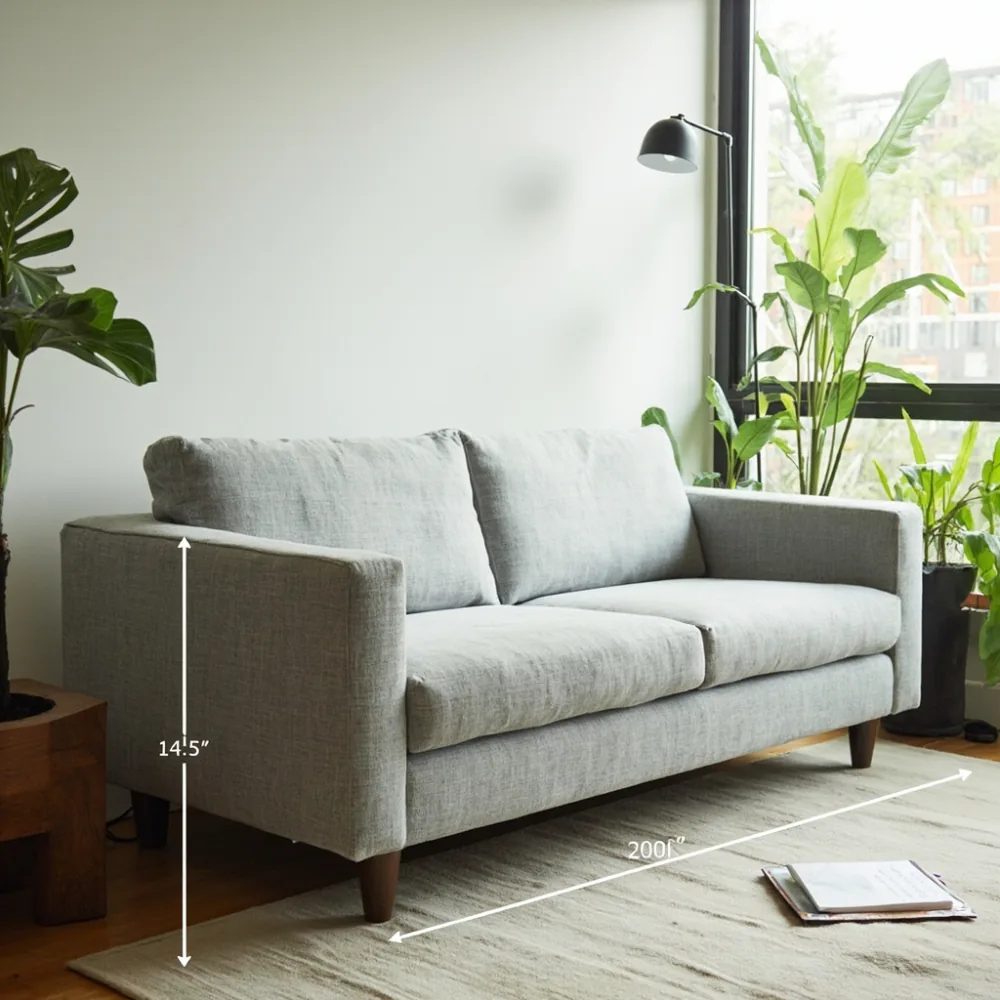
Measure before you browse
Compare common layouts
Allow for circulation space
I start by measuring the room, not the sofa catalogue. Note the length of the longest usable wall, the position of doors, air-conditioning units, windows and television points, then check the sofa dimensions including its depth. In a compact HDB living room, a sectional that looks generous in a showroom can make the space feel crowded once its chaise projects into the walking route.
A practical rule is to leave at least 90 cm of clear circulation space around major furniture and about 60 cm between the sofa and a coffee table. The distance from the sofa back to the wall also matters: many modular sofas need 10-15 cm for assembly and ventilation. I would prioritise a sectional with a reversible or movable chaise rather than committing to a fixed layout immediately.
- HDB 3-room: many buyers have success with a compact modular sectional around 220-240 cm long and 85-95 cm deep.
- HDB 4-room and larger: a 260-300 cm sectional can work, provided the room has a clear wall and viewing angle.
- Condo living rooms: check whether the developer has included a balcony or a wall of sliding doors, and avoid blocking access to the service yard or washing area.
| Room situation | Usable sofa footprint | Typical price | Delivery timeframe |
|---|---|---|---|
| Small HDB living room | 220 × 90 cm | SGD 1,200-SGD 2,500 | 7-14 days |
| Standard HDB or condo | 250 × 95 cm | SGD 2,000-SGD 4,000 | 10-21 days |
| Large condo family room | 300 × 105 cm | SGD 3,500-SGD 7,500 | 14-30 days |
The dimensions are planning ranges, not a promise that every room will accommodate them. Measure the lift, stairs and doorway if the sofa must reach a high floor; a beautifully proportioned sectional can still fail if a module cannot pass through the lift.
Which sectional sofa shape suits an HDB or condo layout?
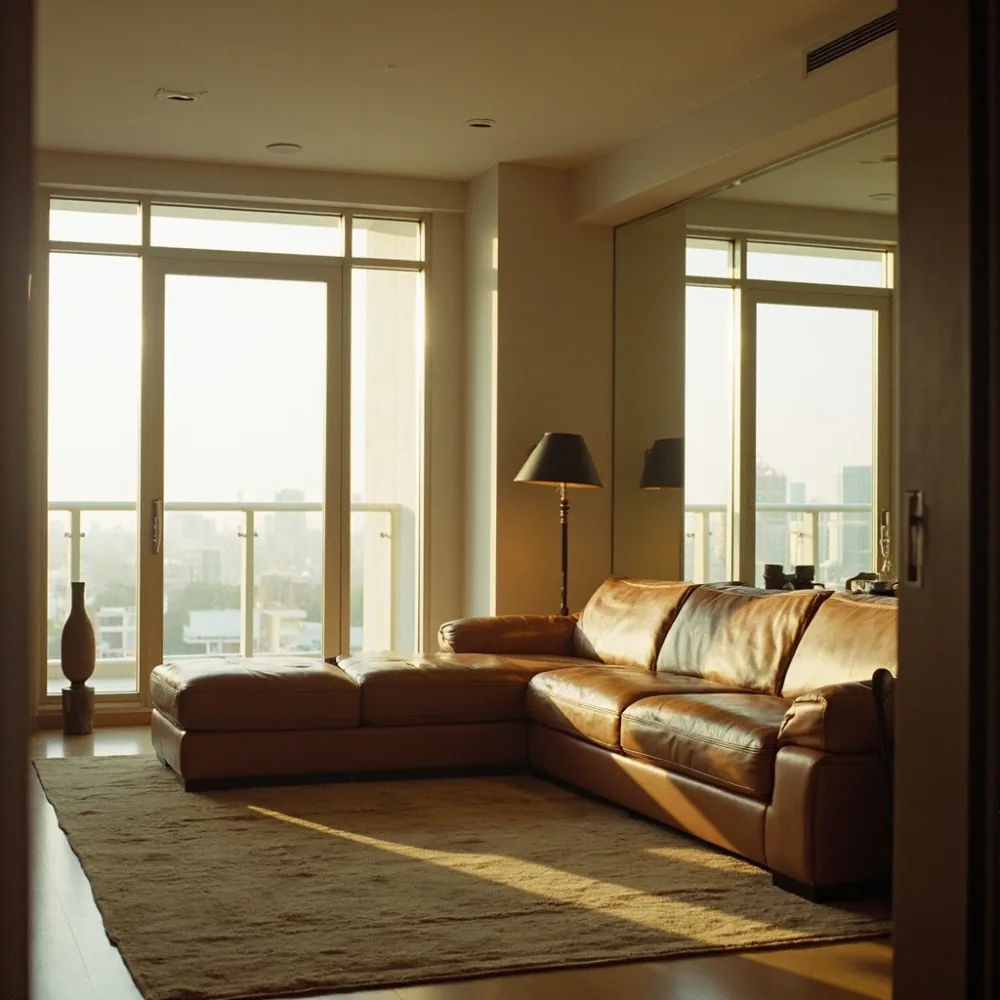
L-shaped and U-shaped options
Choosing a chaise
Matching the room
The shape should follow how you use the room. An L-shaped sectional is the most flexible for many Singapore homes because it can sit against two walls or use a shorter chaise that projects into the centre. A U-shaped sectional suits a broad living room or a dedicated family lounge, but it eats a lot of floor area and may be difficult to move through a condo corridor.
For a narrow rectangular HDB living room, I often recommend a straight three-seat sofa with a separate ottoman or a small modular chaise. It gives you a more adaptable arrangement than a fixed L-shape, especially when guests visit or when the television needs to be repositioned.
- Choose an L-shaped sectional when one corner is already defined and you want a lounge-style seating area.
- Choose a U-shaped sectional only when all three sides can remain clear and the sofa will not split the room awkwardly.
- Choose a modular sectional when you expect to change the layout, add a seat or move the chaise later.
In a condo, pay attention to the actual sightline from the sofa to the television. A sectional with a high back can block a window, while a low chaise may improve the view. Look for a seat height around 40-45 cm and a comfortable seat depth of about 55-60 cm for standard Singapore living-room use.
What is the difference between fabric, leather and performance upholstery?

Everyday fabrics
Leather options
Humidity and cleaning
Singapore’s warm, humid climate makes the upholstery choice more important than the colour trend. I would use a tightly woven, stain-resistant fabric for most homes, especially if children, pets or frequent meals are involved. Performance upholstery is useful, but I still test the cleaning instructions rather than assuming every mark can be removed.
A leather sofa can look excellent in a polished condo or a formal living room. Full-grain leather develops a patina and may be comfortable over time, but it can be sensitive to heat, humidity and direct sunlight. Faux leather is easier to wipe clean, yet its coating can crack or peel after years of use. I ask sellers for the leather type, warranty exclusions and replacement advice before comparing prices.
- Fabric: usually the most economical and forgiving option for daily family use.
- Leather: better for a neat, low-maintenance appearance, provided the hide specification is clear.
- Performance fabric: a sensible middle ground for busy HDB homes; confirm cleaning and pilling terms.
Keep the sofa away from open windows during heavy monsoon periods and use blinds or curtains where sunlight falls directly onto the seat. Good durable furniture includes removable covers, replaceable cushion cores and stitching that has been reinforced at high-wear points.
How much should I budget for a sectional sofa in Singapore?
Typical price bands
What changes the quote
Hidden costs
For a new sectional sofa in Singapore, I would use SGD 1,200-SGD 2,500 as a working budget for a compact, fabric-covered model, SGD 2,500-SGD 5,000 for a larger or better-specified unit, and SGD 5,000-SGD 12,000 for premium leather, imported designs or extensive customisation. These ranges describe broad retail categories rather than a single fixed price.
The quote can change substantially with seat width, foam density, frame construction, leg material, cushion count and fabric grade. A sofa may look similar in photographs while using a thinner frame, lower-density foam or a less durable finish. I compare the specification, warranty and after-sales service rather than judging by the biggest discount badge.
| Specification | Indicative price | Questions to ask |
|---|---|---|
| Compact fabric sectional | SGD 1,200-SGD 2,500 | Is the frame solid wood or engineered wood? What is the foam density? |
| Large modular sectional | SGD 3,000-SGD 6,000 | Are modules sold separately, and what is the reconfiguration charge? |
| Leather or premium fabric | SGD 4,500-SGD 12,000 | What leather grade and care rules apply? Is fading covered? |
Add delivery, assembly and protection services to the comparison. Some sellers include these, while others charge SGD 80-SGD 250 for a standard Singapore delivery and more for carrying-in, lift booking or extra modules. Ask whether the quoted price includes the full set or only the main body.
How do I compare a modular sofa with a fixed L-shaped sectional?
Flexibility versus simplicity
Module weight and durability
Warranty and repairs
A modular sofa is attractive because the pieces can be moved, separated and rearranged. In my experience, that flexibility is valuable in HDB flats, where the living room may need to accommodate a dining table, floor seating or a temporary work area. It is also useful in condos when the best layout depends on the position of the television and balcony doors.
The trade-off is complexity. Individual modules can shift, develop gaps or feel uneven if the floor is not level. Fixings may loosen, and a piece may be heavier than expected. Fixed sectionals usually feel more solid on delivery and may have fewer connection points, but replacing or reorienting them is harder.
- Ask for the empty weight of each module, not just the total sofa weight.
- Check whether connectors are tool-free and whether replacement hardware is available.
- Confirm that the frame warranty covers joints, not only fabric or foam.
For a modular sofa, I favor a sturdy frame with solid-wood or quality engineered-wood components, reinforced seat rails and a cushion core that can be replaced. MIDHILL is a Foshan solid-wood furniture maker established in 2008 and offers a 10-year structural warranty, which is useful information to compare with other brands. It is one point in the buying decision, not a substitute for checking dimensions and service locally.
Can delivery and assembly cause problems for sectional sofas in Singapore?
Check access before ordering
What delivery should include
Protecting the furniture
Delivery is where many sectional sofa plans become complicated. A sectional may arrive in several cartons, and the cartons may be larger than the lift or the HDB staircase. Measure the lift door, lift car, landing, corridor turns and the route to the flat. Also check whether the building requires a delivery booking, a loading-bay slot or a service-lift fee.
I would ask the seller to confirm the delivery timeframe in writing, the number of cartons, each carton’s approximate dimensions and weight, and whether the team will carry the pieces into the living room. Assembly should include joining the modules, positioning the chaise, checking alignment and removing packaging where requested.
| Access point | Minimum planning check | Typical time needed |
|---|---|---|
| HDB ground-floor route | Door width and loading point | 30-60 minutes |
| HDB upper-floor lift | Carton dimensions under 100 × 60 cm, subject to lift size | 1-2 hours |
| Condo service lift | Reservation, padding and corridor clearance | 1-3 hours |
Singapore delivery windows are commonly 7-30 days after order confirmation, depending on stock, custom fabric and building access. Peak moving periods and renovation weeks can add delays. I keep a photo of the access measurements and do not accept vague statements such as “fits most Singapore homes”.
Which districts and shopping options should I compare before buying?
Showroom versus online purchase
Factory and warehouse options
Service after purchase
Most buyers compare online stores, furniture showrooms and larger home-furnishing retailers across Singapore. If you want to see the sofa in person, visit a showroom in a convenient district such as Kallang, Tampines, Jurong East, Woodlands or the central shopping areas. Some warehouses are farther out, so factor in travel time and whether you need to book an appointment.
Online purchasing can be useful for checking module dimensions, fabric swatches and the full specification, but I still try to see the frame construction or sit in the sofa if possible. Ask for the actual product rather than a showroom display model, and confirm the colour because lighting can make fabric look different in a showroom, a warehouse and a condo living room.
- Compare the sample warranty, not just the advertised “warranty” badge.
- Check how returns work after delivery, especially for a made-to-order sectional.
- Ask whether replacement cushions, legs and covers can be ordered separately.
- Keep the receipt, product dimensions and care instructions together.
Custom furniture can solve an awkward HDB corner or a uniquely shaped condo room, but custom work takes longer. Allow roughly 4-8 weeks for made-to-order upholstery or unusual configurations. Standard stock items may take 1-4 weeks. A seller should explain which parts are held in stock and which must be manufactured.
How do I keep a sectional sofa looking good in humid Singapore weather?
Ventilation and sunlight
Cleaning routines
Protecting the frame
I use a simple routine rather than treating humidity as a reason to avoid sofas. Keep the sofa a small distance from exterior walls where practical, allow air to circulate behind it and avoid placing it directly against a cold surface that may collect moisture. During the wet season, run the air conditioner or dehumidifier in the room when the sofa is first brought in, and wipe any dampness from the floor or legs.
Vacuum the seat gaps weekly and rotate cushions if the manufacturer permits it. Blot spills immediately with a clean cloth instead of rubbing. For fabric, follow the care code; for leather, use a suitable conditioner only if the supplier recommends it. Do not place wet laundry, plants or hot appliances on the upholstery.
- Check for mould, rust or warped panels before accepting delivery.
- Use breathable throws rather than sealing the sofa under a plastic cover.
- Inspect tight spaces after heavy rain and ventilate the room.
- Review the care guide before choosing a light-coloured fabric.
Durable furniture is not the same as maintenance-free furniture. The frame, foam, cover and connectors each age differently. A ten-year structural warranty, such as the one offered by MIDHILL for its qualifying solid-wood furniture, can provide confidence, but you should still read the terms and keep the sofa away from standing water.
What should I check before paying for a sectional sofa?
A final shopping checklist
Comparing like with like
Making the order
Before paying, I compare the sofa against a written checklist: dimensions, individual module sizes, seat height, seat depth, frame material, foam specification, leg construction, upholstery type, warranty, delivery date and return terms. I also photograph the product configuration and mark the intended position of the television, side tables and power outlets.
Check that the frame corners are square, the cushions sit evenly and the chaise aligns with the seat. Look at the underside and the connection points where visible. If delivery is included, ensure the quote names the floor and access arrangement; if it is not included, the final bill should still be understandable.
- Request a fabric or leather swatch and view it in evening light.
- Ask for the sofa’s empty weight and lifting requirements.
- Confirm whether the chaise and extra cushions are included.
- Read reviews for comments about comfort, delivery damage and after-sales response.
- Keep a written record of your chosen configuration and colour.
A sectional sofa works best when the layout, access and daily use are considered together. The right model should fit the room without blocking the main route, survive a humid climate with sensible care and offer a construction you can repair or reconfigure. That is a better purchase than simply choosing the largest or most expensive option.
Frequently asked questions
Is a sectional sofa suitable for a small HDB living room?
It can be, but you should choose a compact modular sectional with a movable chaise. Many buyers start with a footprint around 220-240 cm long and 85-95 cm deep. Measure doors, lifts and walking routes, and leave approximately 90 cm for circulation around the main seating area. A straight sofa with an ottoman may be more suitable if space is especially tight.
How long does sectional sofa delivery take in Singapore?
Standard in-stock models commonly arrive within 7-14 days, while larger or made-to-order sectionals may take 2-8 weeks. Confirm the estimated date, carton count, delivery fees and lift-booking arrangements before payment. Peak moving periods and custom upholstery can add time, so do not rely on a vague delivery promise.
Is leather or fabric better for Singapore’s humidity?
A tightly woven, stain-resistant fabric is usually easier to maintain in a busy HDB home. Leather can be suitable in a condo, provided it is kept away from direct sunlight and damp walls. Check the leather grade, cleaning guidance and warranty exclusions. In either material, ventilation, prompt spill cleaning and regular care are important.
What is the average weight of a sectional sofa?
A compact fabric sectional may weigh 45-75 kg, while a large modular or leather model can weigh 80-150 kg or more. Individual modules can still be heavy enough to require two people. Ask for every module’s empty weight and check lift, stair and corridor dimensions before ordering.
Questions about sizing, fabric or delivery?
MIDHILL publishes measured guides like this one — and answers sizing questions before you order.
See the collection