The True Cost of Your Sectional Sofa: A 5-Year Veneer vs. Solid Wood Analysis
Choosing a sectional sofa for a Singapore home is a significant decision. The piece anchors your living room, dictates the flow of social gatherings, and must withstand the unique conditions of our climate—high humidity and daily use. In a market flooded with options, the debate often boils down to two primary materials: veneer and solid wood. While veneer might present a lower initial price tag, the long-term value tells a different story. This analysis breaks down the 5-year costs associated with both options, factoring in purchase price, maintenance, repairs, and replacement, using concrete figures relevant to life in Singapore's HDB flats and condos.
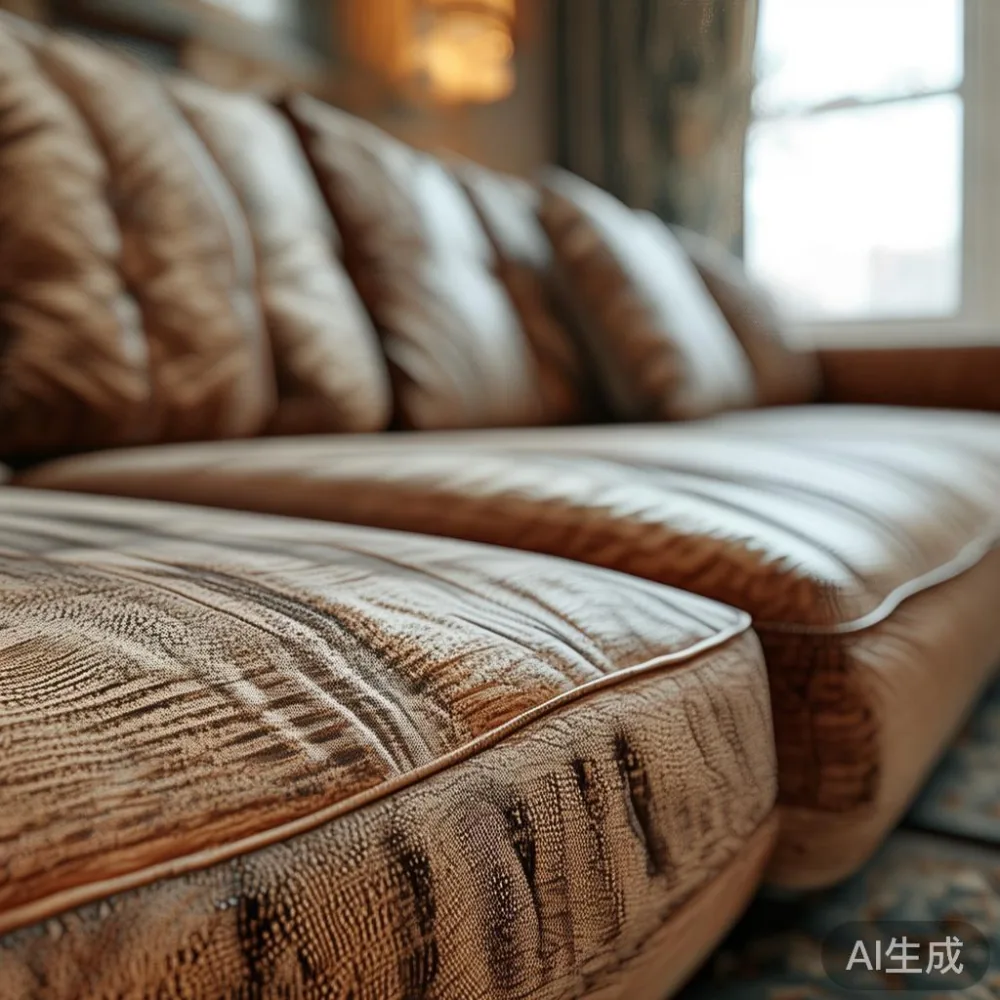
What Exactly Are We Comparing? Veneer and Solid Wood Defined
To make a fair comparison, we must first understand the fundamental difference between these two materials. Solid wood furniture, like the sectional sofas crafted by manufacturers such as MIDHILL, is constructed from a single, continuous piece of lumber, typically hardwoods like oak, walnut, or teak. Each piece is unique, showcasing the natural grain and character of the wood. A solid wood sectional sofa in a Singapore home, for example, might be constructed from North American oak, known for its durability and beautiful, prominent grain patterns.
Veneer, on the other hand, is a thin layer of real wood applied on top of a composite base, such as Medium-Density Fibreboard (MDF), particleboard, or plywood. This base is engineered for stability and cost-efficiency. The veneer provides the look and feel of solid wood at a fraction of the cost. A veneer sectional sofa might use a 0.6mm oak veneer over an MDF frame, making it lighter and generally less expensive upfront. However, this construction method introduces points of potential failure, especially in a humid environment like Singapore's.
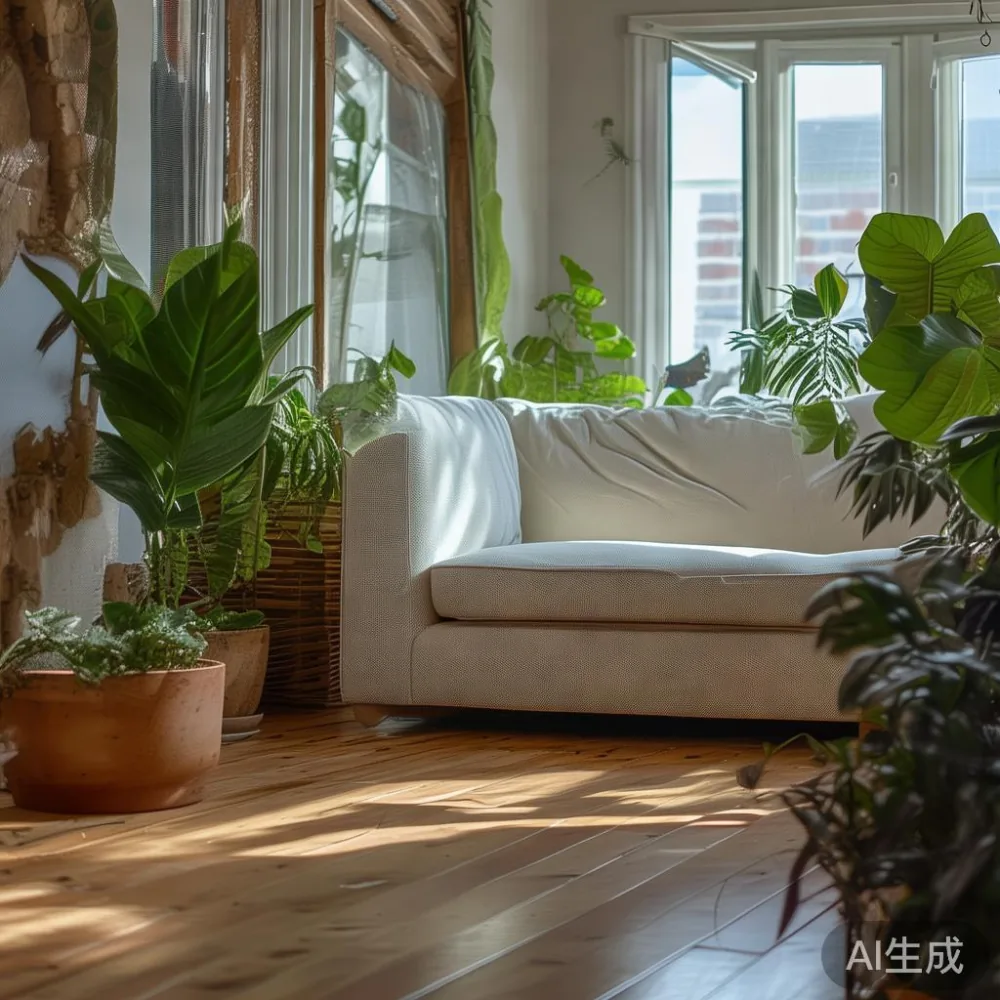
Initial Investment: The Sticker Price Shock
The most immediate difference between veneer and solid wood is the purchase price. For a standard 3-seater L-shaped sectional sofa suitable for a typical HDB living room in Tampines or Bedok, the price disparity is significant. A high-quality veneer sectional sofa from a reputable local retailer might cost between SGD 2,500 and SGD 3,500. This price includes delivery and basic assembly. In contrast, a comparable solid wood sectional sofa, built from a durable hardwood like oak or walnut, will start from approximately SGD 4,500 and can go up to SGD 7,000 or more, depending on the design and wood species.
Let's consider a concrete example. A colleague of mine, Sarah, who lives in a Punggol condominium, recently purchased a sectional sofa. She opted for a veneer model to fit her renovation budget. Her 280cm by 200cm sectional sofa cost her SGD 2,800. For a similar-sized solid wood sectional sofa in oak, the price was SGD 5,200. The initial difference is SGD 2,400. This upfront cost is a major factor for many homeowners, which is why veneer is a popular choice. However, this initial saving is only the beginning of the financial story.
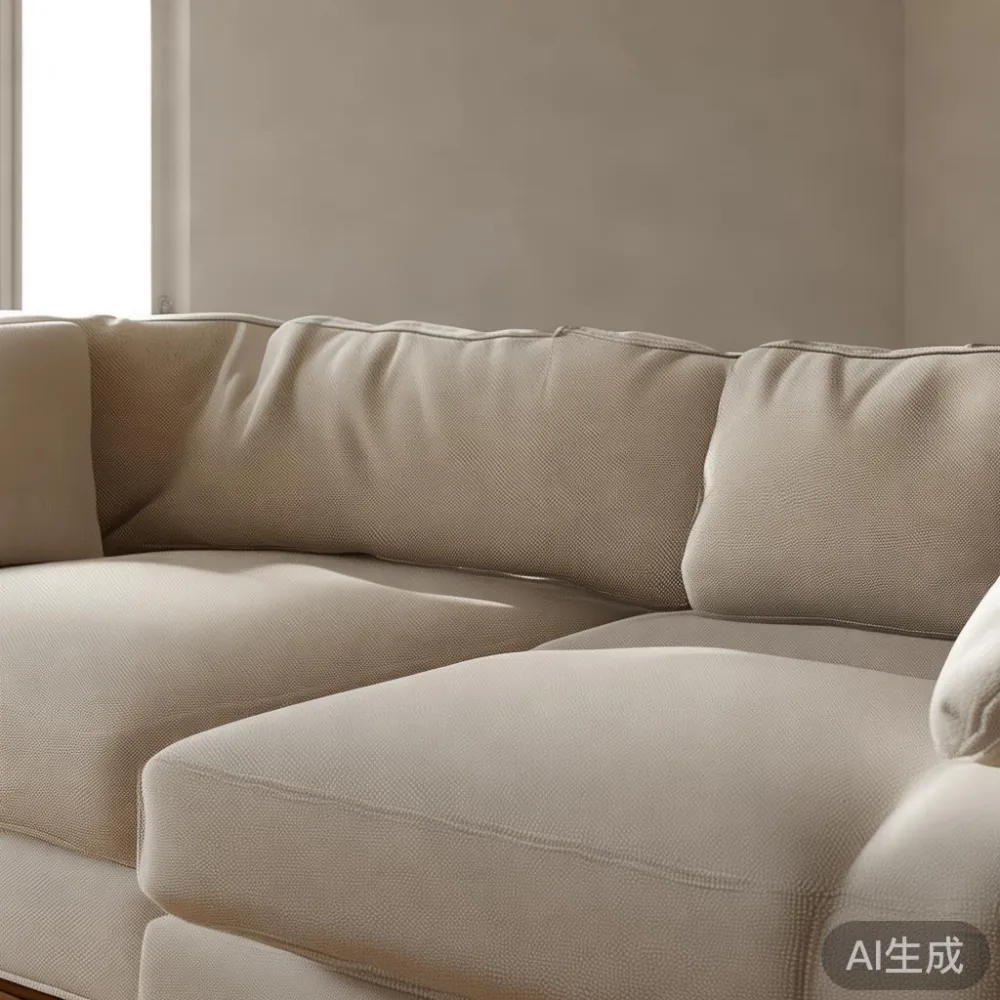
Year 1-2: Comfort and Minor Adjustments
In the first two years, both types of sectional sofas will likely perform adequately, but subtle differences may start to emerge. A solid wood sectional sofa feels substantial and stable. The frame is rigid, and the joinery, often using traditional mortise and tenon or dowel construction, ensures the piece remains solid. There is very little, if any, movement or noise when you sit down. The natural wood may require some minor adjustments to acclimatize to Singapore's humidity, but a quality piece is designed to handle this.
p>Veneer sectional sofas, while looking good initially, can begin to show signs of stress. The MDF or particleboard core, not being as dimensionally stable as solid wood, can be sensitive to humidity changes. Singapore's average humidity of 80% can cause the core to expand and contract slightly. This movement can put stress on the veneer, leading to small, hairline cracks at the corners or joints. Sarah mentioned her sectional sofa developed a faint creak after about 18 months. She also noticed a small, 2cm long crack near one of the armrest joints. She was told this was normal and could be filled with a matching wood filler, a small but recurring maintenance task.Year 3-4: The Maintenance Tipping Point
By year three, the cost of ownership for a veneer sectional sofa starts to climb. The minor issues from the first two years often become more pronounced. The hairline cracks in the veneer can widen, and the filler may start to discolour or fall out. The creaking can become more frequent and annoying. More critically, the finish on a veneer sectional sofa is thinner and more prone to wear. In high-use areas like the seats and armrests, the protective lacquer can begin to wear away, exposing the veneer beneath. This leads to a dull, patchy appearance that is difficult to restore.
p>Repairing a veneer sectional sofa is a delicate and often expensive process. A professional repair for a cracked veneer joint can cost SGD 150 to SGD 300 per incident. Re-spraying the entire sectional sofa to match the original finish is even more costly, potentially running SGD 800 to SGD 1,500, and the colour match may not be perfect. Sarah’s sectional sofa needed its seats re-sprayed after 3.5 years of use, costing her SGD 1,100. Her total maintenance cost for the first 3.5 years was now SGD 1,400, significantly reducing her initial savings.A solid wood sectional sofa, conversely, requires minimal maintenance during this period. The thick, multi-layered lacquer or oil finish is designed to withstand years of use. If it gets scratched, it can often be buffed out. If the finish becomes dull, it can be professionally refinished. The key advantage is that a solid wood sectional sofa is built for longevity. The frame remains strong, and the natural wood continues to look better with age, developing a rich patina. The investment in a solid wood sectional sofa is beginning to pay off through its resilience and lower maintenance needs.
Is a Solid Wood Sectional Sofa Really Worth the Higher Price?
This is the question every Singaporean homeowner asks when standing in a showroom. The answer lies in a complete view of ownership. A veneer sectional sofa offers immediate affordability. A solid wood sectional sofa offers long-term value. Let's do the math for Sarah's 5-year ownership.
**Veneer Sectional Sofa Total Cost (5 years):**
Initial Purchase: SGD 2,800
Minor Crack Repair (Year 2): SGD 100
Seat Re-spray (Year 3.5): SGD 1,100
Total Cost: SGD 4,000
**Solid Wood Sectional Sofa Total Cost (5 years):**
Initial Purchase: SGD 5,200
Annual Wood Polish (optional): SGD 50 x 5 = SGD 250
Total Cost: SGD 5,450
The Singapore Home Factor: Space, Durability, and Style
Beyond pure cost, the material choice must suit the Singaporean living environment. Space is often a premium. A solid wood sectional sofa, while durable, can be very heavy. A typical 3-seater solid oak sectional sofa might weigh 80-100 kg. Maneuvering this into an HDB flat, working through the standard 1.2m wide corridor and lift, requires careful planning and professional help, adding SGD 100 to SGD 200 to the delivery cost. A veneer counterpart might weigh 50-60 kg, making it easier to handle.
p>However, the durability of solid wood is a major advantage for our lifestyle. With frequent gatherings, children, and pets, a sectional sofa takes a lot of abuse. The solid construction of a hardwood frame can withstand this far better than a veneer sofa's engineered core. The risk of a leg or joint breaking on a veneer sectional sofa under stress is much higher, leading to a catastrophic failure and total replacement cost.Style is also a consideration. Solid wood offers a timeless, natural aesthetic that fits various themes, from a rustic farmhouse to a light luxury French-inspired living room. For those seeking a more modern feel, a solid wood frame provides an excellent base for upholstery. The trend towards light luxury furniture, often seen in condos, favours clean lines and natural materials, where solid wood excels. A post-modern sectional sofa design, for instance, can be beautifully executed in solid walnut, showcasing the wood's grain as a feature. This focus on natural materials aligns perfectly with the demand for **luxury Modern light luxury furniture** that Singaporeans appreciate.
5-Year Total Cost Comparison Table
For a clearer perspective, here is a summary table comparing the 5-year costs for a 280cm x 200cm sectional sofa.
Item | Veneer Sectional Sofa (SGD) | Solid Wood Sectional Sofa (SGD)
Initial Purchase Price | 2,800 | 5,200
Year 1-2 Maintenance | 0 | 0
Year 3-4 Repairs | 1,200 | 0
Year 5 Value Resale | (500) | (2,600)
**Total Net Cost (5 Years)** | **3,500** | **2,600**
As the table shows, when you factor in the resale value, the solid wood sectional sofa becomes the more economical choice over a 5-year period. The initial higher investment is offset by lower maintenance costs and a significantly higher residual value.
Conclusion: An Investment in Your Home and Lifestyle
The choice between a veneer and a solid wood sectional sofa is not just about wood; it's about a philosophy of ownership. A veneer sectional sofa is a short-term solution, an item to be used and replaced. A solid wood sectional sofa is a long-term investment in your home's comfort and style. It is a piece that can be passed down, retaining both its structural integrity and its aesthetic appeal for generations.
For the Singaporean homeowner who values quality, durability, and timeless design, the decision becomes clearer. While the upfront cost of a solid wood sectional sofa is higher, the 5-year financial analysis demonstrates its superior value. It is an investment that pays dividends in reduced stress, lower long-term costs, and a beautiful, enduring centrepiece for your living room. Whether you live in a compact HDB flat or a spacious condo, choosing a well-built solid wood sectional sofa is a decision you will not regret.