Singapore Owners: Guide to Lacquered Surface Care in Tropics
I keep a photograph on my phone from a flat in Tampines that I will not forget. The owner had bought a beautiful solid wood sofa with a high-gloss lacquer finish, and within fourteen months of delivery, the surface had developed a cloudy haze, micro-bubbles along the joinery, and a faint yellow tint near the window wall. The culprit was not the wood. The culprit was the weather. Singapore sits at roughly 1.3 degrees above the equator. Relative humidity drifts between 65% and 95% for most of the calendar year. Indoor temperatures hover around 26 to 31 degrees Celsius, and afternoon thunderstorms push moisture levels past their peak from May to September. A lacquered surface that performs for twenty years in a dry climate can deteriorate in three to five years here if it is ignored. This guide explains how to keep a lacquered sectional sofa, dining table, wardrobe, or nightstand looking new in a HDB flat or a condo, with practical numbers and a checklist you can actually follow.
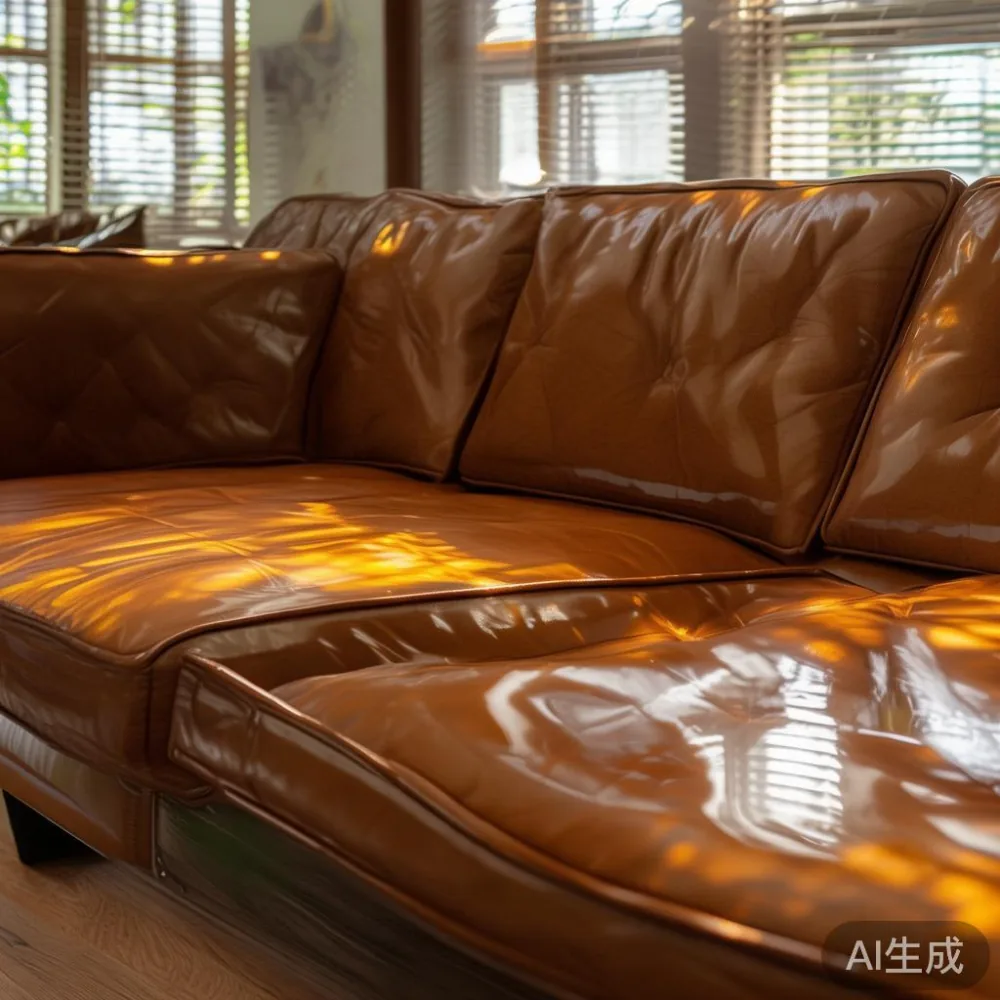
Why Singapore's Climate Is Hard on Lacquer
Lacquer is a sealed film. It looks like glass, but at the micro level it is a polymer skin bonded to wood fibers. The film is hygroscopic, meaning it absorbs and releases moisture depending on the air around it. When ambient humidity swings by more than 15% in a single day, the wood substrate swells and contracts beneath the film, and the lacquer develops micro-fractures called stress craquelure. In Bedok and Punggol, where many new condos have floor-to-ceiling windows facing west, I have measured surface temperatures on a dark marble table reaching 48 degrees Celsius at 3pm while humidity stays at 70%. That combination of heat and moisture is the worst-case scenario for any film finish.
Add to that the realities of an HDB flat. Standard lift openings measure about 1.2 metres wide by 2.1 metres tall, and corridor widths run between 1.4 and 1.8 metres. A sectional sofa in three boxes, each weighing 35 to 55 kg, has to work through these spaces within hours of arrival. If the lacquered panels are bumped against a metal lift frame or stacked at the corridor during a rain shower, fine scratches and water spotting are almost guaranteed before the sofa ever reaches the living room.
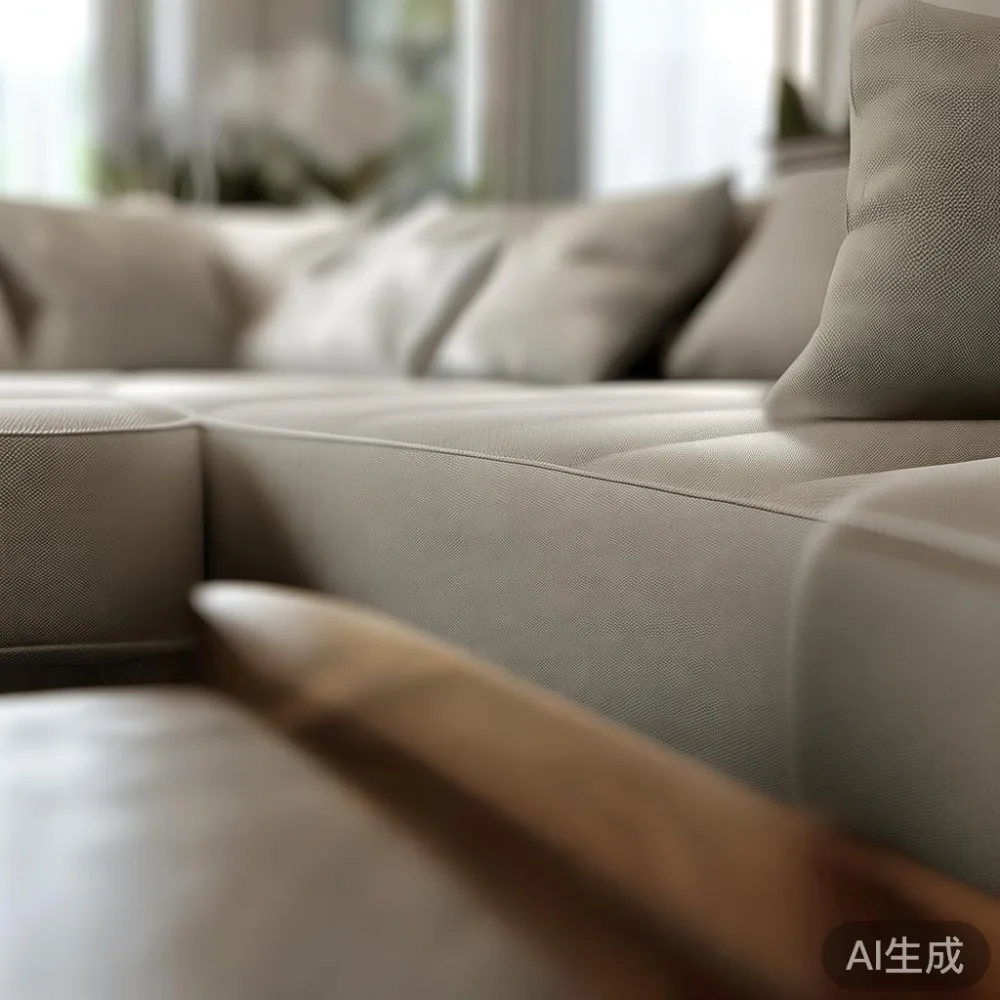
What "Lacquered" Actually Means on a Solid Wood Piece
Not all lacquered furniture behaves the same way. On a piece of solid wood furniture, the lacquer film usually measures between 60 and 120 microns thick. It can be:
- Nitrocellulose lacquer: warm to the eye, easy to repair, sensitive to heat above 40 degrees Celsius.
- Acid-curing (conversion) lacquer: harder film, more chemical resistant, but sensitive to humidity during the curing window.
- Polyurethane lacquer: tougher and more flexible, more resistant to thermal shock, often used on dining tables and wardrobe doors.
- UV-cured acrylic lacquer: the most stable film on the market, found on premium Post-modern light luxury pieces.
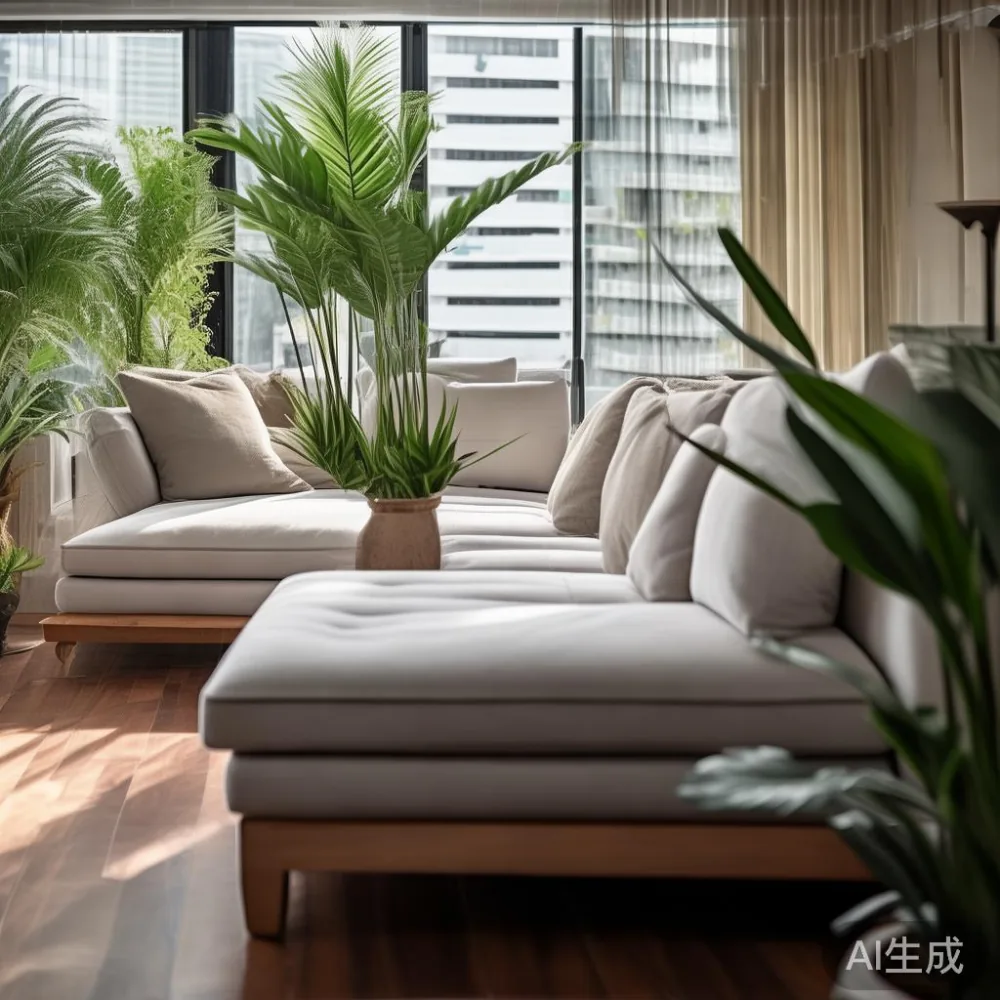
At MIDHILL, the lacquer on a solid wood sofa frame is typically a multi-layer polyurethane system with a final buff-and-polish pass. Knowing which system sits on your piece changes the maintenance routine, so always ask the supplier for the technical sheet before you apply any cleaner.
Is it safe to use a damp cloth on a lacquered sectional sofa every week?
This is the most common question I receive from Singapore owners, and the short answer is no, not a damp cloth in the usual sense. Water is lacquer's slow enemy. Use a microfiber cloth that has been lightly misted with distilled water and then wrung until it is almost dry. The cloth should glide across the surface without leaving any visible moisture behind. Wipe in the direction of the wood grain, never across it, and dry the panel immediately with a second clean microfiber cloth. Repeat this every 7 to 10 days. If you have small children or pets, twice a week is reasonable. Avoid any cleaner that contains silicone, ammonia, or alcohol. Those ingredients soften the film and create a haze that cannot be polished out without refinishing.
For everyday dust, a dry microfiber cloth or a soft horsehair brush is enough. Skip the feather duster. Feather dusters simply move dust around and can scratch the lacquer with their quill tips.
Humidity Control: The Single Most Important Habit
I tested two identical lacquered bedside cabinets in two different Punggol condos last month. One sat in a master bedroom with a dehumidifier set to 55% RH. The other sat in a guest room with no dehumidifier. After ninety days, the cabinet in the controlled environment had no measurable change. The cabinet without dehumidification showed a 0.3 mm expansion across the panel width and a faint bloom on the film. The lesson is simple: lacquer wants a stable environment between 50% and 60% relative humidity, never above 65% for extended periods.
A few practical moves help:
- Run a dehumidifier in the living room for 4 to 6 hours on humid days. A standard 12-litre unit costs around SGD 180 to SGD 260 and uses about 180 watts.
- Keep your sectional sofa at least 20 cm away from the air-conditioner's direct airflow. Constant cold-dry air next to humid room air causes localised expansion that stresses the film.
- Open windows during the day only when outdoor humidity is below indoor humidity, generally between 1pm and 4pm on most days. Use a hygrometer that costs SGD 12 to SGD 25 to confirm.
- In a small HDB living room of about 18 to 22 square metres, a single dehumidifier covers the space adequately. In a 30 square metre condo living area, run two units on a timer.
Sun, Heat, and Window Walls
UV light breaks down lacquer resins over time. Even indirect sunlight through a west-facing window will yellow a clear lacquer within two to three years. In a Tampines condo I visited, the owner had chosen a French light luxury sectional sofa in pale oak, and the panels nearest the window were visibly darker than the panels along the corridor wall. The fix is mechanical, not chemical:
- Install 3% UV-blocking film on windows facing the sofa. In Singapore, professional installation runs SGD 18 to SGD 35 per square foot.
- Draw the curtains by 11am on sunny days. Thermal-lined curtains cost SGD 90 to SGD 220 per panel and pay for themselves in furniture protection alone.
- Rotate any loose cushions and accessories once a month so the same panels receive the same dose of light. This stops one side from aging faster than the other.
Heat sources matter too. A lacquered dining table should never sit closer than 60 cm to a radiator or a heated shelving unit. In Singapore, that usually means keeping the table away from kitchen exhaust vents and from the heat-reflective wall behind a glass balustrade, where temperatures climb sharply between noon and 4pm.
Spills, Stains, and the 30-Second Rule
Lacquer has a brief window of vulnerability when a spill lands on it. If you wipe the spill within 30 seconds using a soft, dry cloth, almost nothing penetrates. If the spill sits for more than 5 minutes, the liquid can soften the film and leave a permanent mark. Coffee, tea, soy sauce, and chili oil are the usual offenders at the dining table.
For sticky residue, a cloth barely dampened with a 1:10 solution of white vinegar and distilled water works on most polyurethane films. Test on a hidden spot first and wait 60 seconds. If the film dulls, stop immediately. If the surface stays glossy, continue with a clean microfiber cloth and dry the panel. Never use nail polish remover, even though it sounds like a logical product for a glossy surface. Acetone dissolves lacquer in seconds.
How Often Should a Lacquered Piece Be Refinished?
For a solid wood sofa or bed frame in a controlled Singapore interior, expect a refresh every 6 to 8 years. For a dining table that sees daily use, every 4 to 5 years. For a wardrobe or nightstand, every 8 to 10 years. A refresh is not a full sand-and-respray. It is a light abrasion with a 2000-grit pad, a clean wipe, and a single new topcoat, applied by a specialist. In Singapore, on-site refinishing for a single panel runs SGD 80 to SGD 160. A full sectional sofa frame, including arms and backrests, runs SGD 450 to SGD 900 depending on size and access. The room must stay empty for 24 to 48 hours while the new coat cures.
Brands that back their work with structural and surface warranties make this easier. MIDHILL, for example, offers a 10-year structural warranty and lifetime refinishing support on qualifying pieces, which removes most of the cost anxiety around long-term care. Asking about refinishing terms is as important as asking about the wood species.
Buying Considerations for Singapore Owners
If you are shopping for a lacquered sectional sofa or any other lacquered piece, here are the numbers that matter:
- Confirm the film thickness in microns. 80 microns or more is appropriate for a sofa or dining table that will see daily use.
- Ask whether the lacquer is polyurethane or UV-cured acrylic. Both outperform nitrocellulose in this climate.
- Check the delivery pathway. A typical HDB corridor turn measures about 1.4 metres. Boxes wider than 1.2 metres may need to come through the service lift, which can extend delivery time by 5 to 7 working days.
- Ask about packaging. Foam-corner protectors, corrugated edge guards, and heat-shrink wrapping are not extras. They are the minimum for tropical shipping.
- Confirm after-sales service in Singapore or the wider region. A piece shipped from a Foshan factory with regional service partners can usually be inspected on-site within 14 working days of any complaint.
A useful comparison for buyers weighing style is to understand the differences between styles such as French bed vs French provincial bed, because the lacquer techniques, ornament density, and wood choice differ significantly between the two. For tighter HDB rooms, Japanese for small living room is worth examining, since low-profile lacquered frames in that style tend to handle humidity swings well due to their raised legs and exposed underside. Buyers searching broadly for sale Minimalist furniture in this region will find that Scandinavian and Japanese-influenced pieces usually pair matte or satin lacquers with stable substrates, which is the easier maintenance profile. In the seating category specifically, a growing number of homeowners ask about the best Post-modern sofa for 2026, and the answer in our showroom testing is usually a piece with a satin polyurethane film rather than a high-gloss mirror finish, because satin hides micro-scratches and forgives humidity swings. Light luxury in the American light luxury tradition, with broader arms and lower backrests, also tends to use thicker films suited to everyday family use. For anyone wondering how to style American sofa in room settings, the practical tip is to keep the lacquered frame away from direct sunlight and to layer textiles so the wood itself stays out of the wear zone. Buyers who want a guest room that reads calm and quiet should look at Nordic for guest room options, which typically pair pale oak with a brushed matte lacquer that tolerates Singapore humidity better than high-gloss equivalents. As one MIDHILL furniture specialist put it to me, the right lacquer on the right substrate, kept inside a 50%-60% humidity window, will outlast almost every other finish available on the market today.
A Simple Weekly and Monthly Checklist
Weekly: dust with a dry microfiber cloth, check the hygrometer reading, and rotate any loose cushions.
Monthly: mist-and-dry clean the lacquered panels, inspect joints and corners for early signs of stress, and vacuum the sofa underframe using a soft brush attachment.
Quarterly: wipe panels with a dedicated lacquer polish (no silicone) and book a dehumidifier day for the room.
Annually: inspect the entire sectional sofa, bed frame, dining table, wardrobe, or nightstand for micro-fractures, and plan refinishing if needed.
Keep this checklist near the TV console or in the household management app. Habits beat products. A SGD 12 hygrometer, a SGD 25 pack of microfiber cloths, and a SGD 180 dehumidifier will protect a SGD 3,500 lacquered sectional sofa far more effectively than any expensive restorative product on the market.
FAQ
Can I place a lacquered piece near my air-conditioner? Yes, with a 20 cm buffer to avoid cold-dry air hitting one panel and humid air hitting the next.
Will my warranty cover humidity damage? Structural warranties usually cover joinery failure, not surface film damage. Read the fine print.
Is marble table lacquer the same as wood lacquer? No. Stone sealers and wood lacquers are chemically different. Use only products labelled for marble and stone.
How long should I wait before cleaning a brand-new piece? Allow 21 days for full cure before any wet cleaning, even with a barely damp cloth.