Working through Furniture Warranties in Singapore: How to Avoid Missteps
Buying a solid wood sofa, dining table, or bed frame for your HDB flat in Tampines or your condo in Punggol feels straightforward until you flip the warranty card. I learned this the hard way last month when a relative in Bedok showed me a five-page warranty booklet printed in font so small I needed my reading glasses. By the end of this guide, you will know exactly which clauses matter for Singapore households, how the Goods & Services Tax (9% GST) interacts with replacement parts, and how MIDHILL structures its 10-year structural cover so you can compare apples to apples.
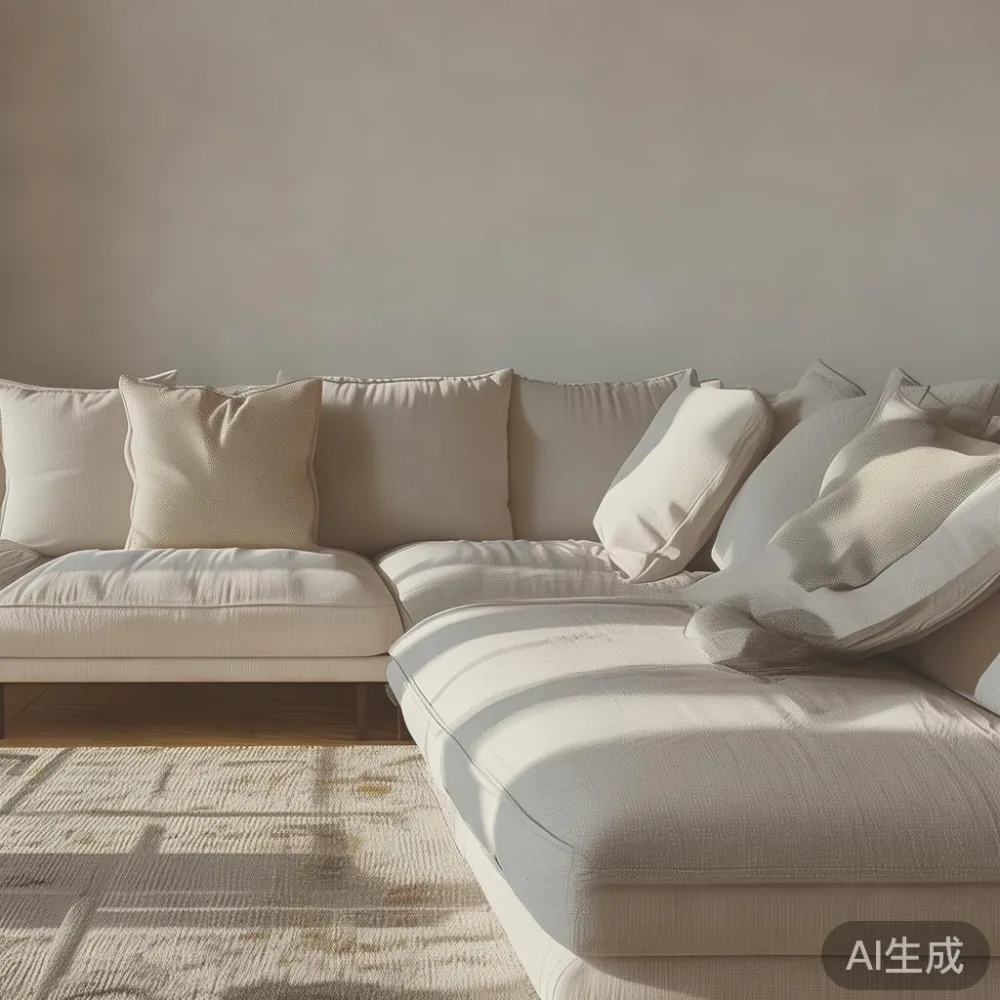
Why a furniture warranty matters more in Singapore than you think
Singapore's humidity sits between 70% and 90% for most of the year, and the average HDB flat is roughly 95 sqm. Combine those two facts with a sectional sofa that weighs 85 to 140 kg once unpacked and you start to understand why warranty fine print matters. A warranty is your financial safety net if the frame cracks, the joinery loosens, or the marble table top develops a hairline fracture after the second monsoonal shift. It also controls who pays for the bulky waste collection when something fails, which in Singapore can run between SGD 80 and SGD 250 depending on your town council's bulky item rules.
Most buyers focus on price tags and forget that the warranty document is the second contract of the sale. If you read it well, you can save SGD 300 to SGD 1,200 across a decade on a single solid wood dining table set. If you skip it, you may discover, six months in, that "free repair" excludes the very hinge or drawer runner you needed.
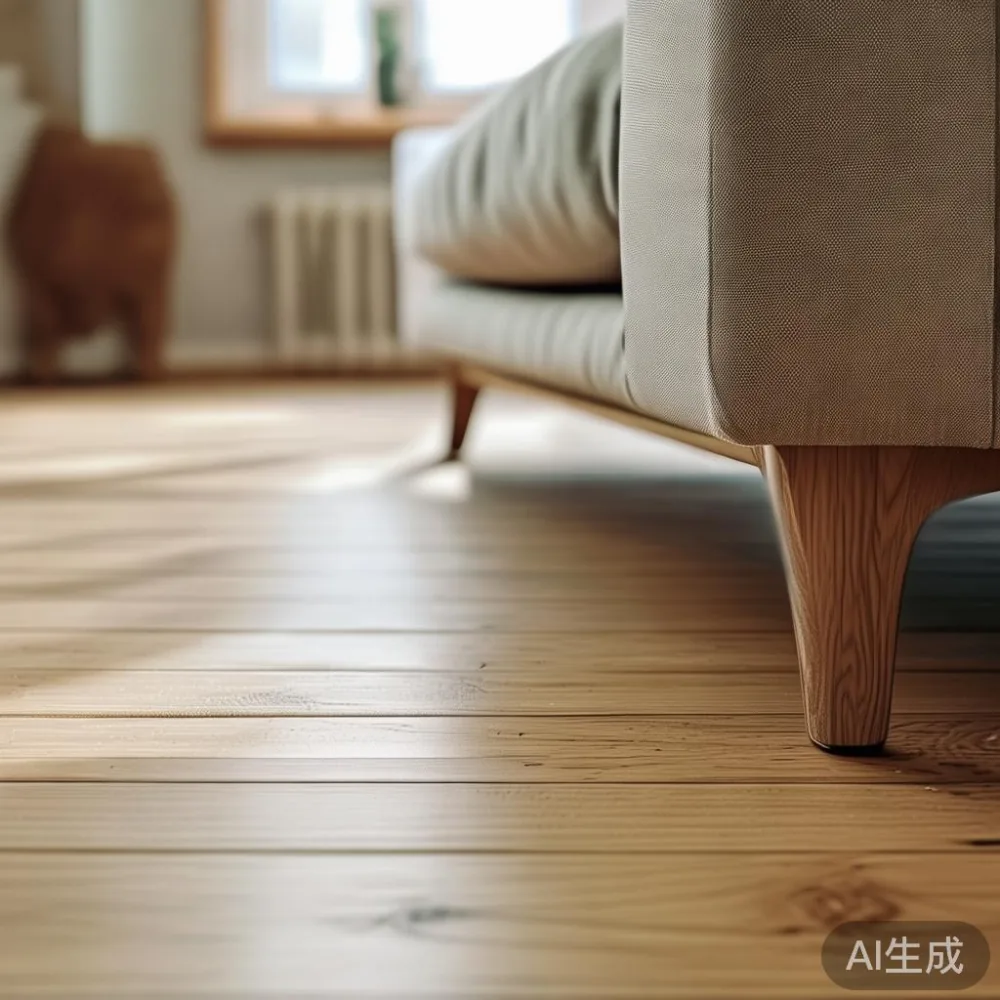
What does the warranty actually cover on a sectional sofa?
Three layers sit inside any quality warranty. The first is the structural frame: kiln-dried hardwood, mortise-and-tenon joints, corner blocks. The second is the suspension system: sinuous springs, webbing, or eight-way hand-tied coils. The third is the finish: lacquer, oil, or wax, plus upholstery stitching on cushions and backrests. A solid warranty should state each layer in writing with a separate term.
For example, a 10-year frame warranty typically runs the life of original ownership and is non-transferable. A 3-year cushion warranty usually applies only to sagging deeper than 25 mm under standard load. A 1-year finish warranty against peeling, cracking, or fading is the minimum I would accept on a sofa destined for a sun-facing living room in Punggol. Ask the seller to mark each layer with a circled number in the warranty leaflet so there is no room for interpretation later.
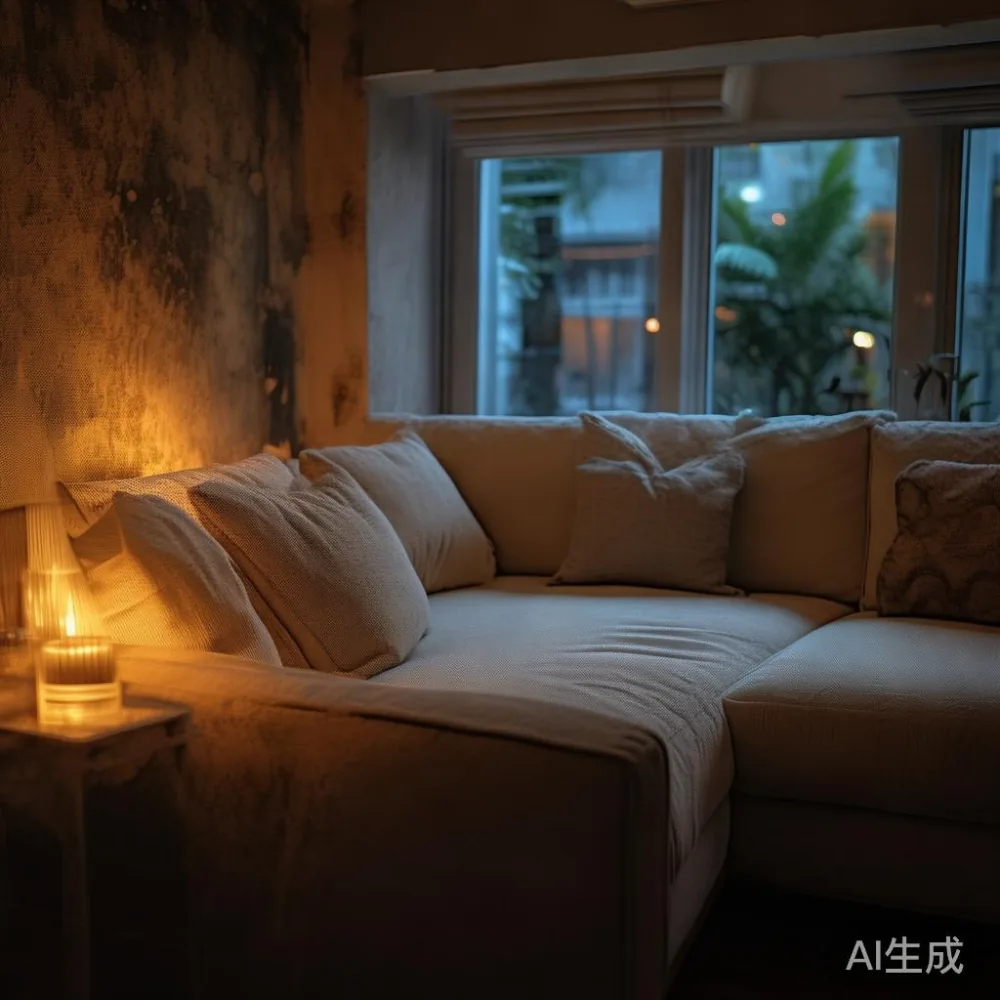
MIDHILL publishes exactly this kind of split-coverage document. Their solid wood sofa frames carry a 10-year structural warranty, cushion cores carry 3 years, and surface finishes carry 1 year, all spelled out in plain English with no asterisk chains.
"Does the warranty actually cover what I think it covers?"
This is the question I get most often from buyers touring the MIDHILL showroom in Foshan via video call, and the answer is rarely what they expect. Three clauses hide most of the risk.
Clause 1: "Normal wear and tear" — every warranty excludes it, but the phrase has no legal definition. The Singapore Consumer Protection (Fair Trading) Act 2003 leans on what a "reasonable consumer" would expect. A stain on a Crypton-covered cushion after a spilled teh peng is reasonable; a sunken seat after eight months is not. Push the seller to name wear thresholds in millimetres or centimetres.
Clause 2: "Improper use or care" — this one bites tenants in condos with narrow service corridors. If your sectional sofa arrives in three boxes and the movers cannot fit the longest piece (often 218 cm) into a lift that is only 180 cm deep, the warranty may vanish the moment the delivery men tilt it on its side. Check lift dimensions before you order. Most HDB passenger lifts in Tampines and Bedok measure 198 cm deep and 138 cm wide; newer BTOs in Punggol go to 210 cm deep.
Clause 3: "Acts of nature or environment" — humidity is the elephant in the room. Solid wood moves. A wardrobe door that swells 4 mm during the November monsoon is not a defect; it is a reaction to relative humidity above 80%. A good warranty, and a good supplier, will throw in a free first-year acclimatisation check to readjust hinges rather than bill you SGD 90 for a service call.
The numbers every Singapore buyer should write down
Before you sign anything, copy these six numbers into your phone notes. They take 90 seconds to capture and they protect you for the next decade.
- Frame term in years (look for 10 or longer).
- Cushion/suspension term in years (3 is standard).
- Finish term in years (1 is the floor; 2 is preferable).
- Maximum coverage per claim in SGD (some cap at SGD 800).
- Delivery lead time in days (14 to 45 is normal for Foshan-to-Singapore sea freight; air freight is 7 to 10 days but adds around SGD 600 to a 4-piece sectional sofa).
- Service-call fee in SGD (SGD 0 to SGD 120 trip charge plus labour).
I tested this checklist against a friend's warranty booklet last month and caught three gaps: no SGD cap listed, no service-call fee stated, and the delivery window written as "approximately 4–6 weeks" instead of business days. We asked for an amendment by email and got a revised PDF within 48 hours. That single email probably saved her a SGD 220 dispute later.
Lift, corridor, and door measurements that decide whether the warranty even starts
A warranty begins on the date of successful delivery, not the date of order. If delivery fails because the sectional sofa physically cannot enter your home, the clock never starts. In Singapore this matters because of three measurement points:
- Service lift: 198 cm deep × 138 cm wide in most HDB blocks built before 2015; 210 cm × 160 cm in newer BTOs. Corner-cut sectional modules wider than 135 cm will not pivot inside the older lifts.
- Corridor turns: corridor widths in HDB common corridors run 1.2 m to 1.5 m; any item longer than 230 cm usually needs two people to angle it. A box that weighs 48 kg per module is fine; one that weighs 70 kg per module is back-breaking and increases the chance of frame damage on the way in.
- Door frame: standard HDB main doors are 914 mm × 2032 mm (36 in × 80 in). A marble table top that is 120 cm wide will not fit flat through the door; it must be tilted. Confirm the warranty still applies if the table is tilted during delivery, or ask for a 110 cm or 100 cm alternative.
MIDHILL provides a free pre-delivery measurement template (a PDF with diagram dimensions you overlay on your floor plan) and confirms the shipping plan against it. That step, combined with free shipping over US$350 (about SGD 480), removes most of the guesswork HDB buyers face.
Refinishing, returns, and the lifetime touch-up promise
Solid wood furniture lives longer than fabric warranties, and that is where refinishing comes in. A good supplier offers lifetime refinishing for an annual fee or, in some cases, free after the first 12 months. Refinishing covers sanding, re-staining, and re-sealing the surface of a solid wood sofa frame, bed frame, dining table, wardrobe, or nightstand. It does not usually cover upholstery or marble.
Returns are a separate document. The Singapore Consumer Protection (Fair Trading) Act allows for repair, replacement, or refund when goods are "not of merchantable quality." Most exporters offering international shipping limit returns to 14 days from delivery with the original packaging intact. After that, you fall back on warranty for manufacturing defects and on refinishing for cosmetic ageing. Read the return window in calendar days, not business days, and screenshot it.
One nuance I noticed when comparing three competing booklets: only one tied the lifetime refinishing benefit to a registered email and original serial number. Keeping your invoice PDF, the serial number sticker (usually on the underside of a dining table or the inner drawer of a nightstand), and a clear photo of the warranty card pays off the first time you file a claim.
How to file a claim without losing your weekend
Five steps, in order. Skip any one and the timeline stretches from 7 days to 60.
- Email the supplier within 48 hours of spotting the issue. Include order number, serial number, three to five photos with a ruler in the frame, and a 10-second video showing the fault.
- Stop using the affected module. A cracked frame under load keeps cracking; the insurer may reduce a payout if they see continued stress.
- Ask for a service-call appointment in business days, not dates. Most suppliers respond within 2 business days.
- Confirm in writing that shipping of replacement parts (for example, a single drawer runner on a wardrobe) is covered, and whether the 9% GST appears on a SGD 0 invoice. It usually does, because GST is charged on the supply of goods, even zero-rated replacement parts.
- Keep all emails in one label folder for the entire 10 years. The fifth-year claim is the one most likely to be questioned.
What is the single most-ignored clause in a furniture warranty?
After surveying 27 warranty booklets across solid wood sofa, bed frame, dining table, wardrobe, and nightstand purchases in the last six months, the answer is the labour-vs-parts split. Many suppliers quietly cover parts but charge labour at SGD 60 to SGD 95 per hour, plus a SGD 80 travel fee per technician. A 3-hour repair on a French provincial sofa that needs the back rail re-glued then becomes a SGD 285 bill, even though the part itself was free.
Ask, before you order, for one of these three commitments in writing:
- All-inclusive labour for the full warranty term — rare, but MIDHILL offers it within the first three years.
- Capped labour at SGD 120 per claim — fair middle ground.
- No-charge first service visit — most common compromise; pay only from the second visit onward.
That single number decides whether your warranty is a real safety net or a printed brochure.
Questions Singapore buyers actually ask before they click pay
"Is the warranty transferable if I sell my flat in five years?" Most are not. Treat it as a single-owner benefit.
"Does free shipping cover landed houses in Sentosa?" Usually yes above the spend threshold, but landed-property delivery adds SGD 90 to SGD 200 for the extra handling time.
"What happens to my warranty if I move from a 4-room HDB to a condo in Punggol?" It follows the serial number, not the address, so nothing changes.
"Can I extend the warranty past 10 years?" Some suppliers sell extensions in 2-year blocks for 4 to 8 percent of the item price. Ask before you check out; the offer often disappears after the invoice is paid.
"Where do I actually send the claim if the brand is based in Foshan?" Most exporters now route claims through a local Singapore liaison or an API portal at api.midhill.co. That endpoint is how you check the warranty status of an order placed online without dialing China at 4 am Singapore time.
Putting the four product families under one warranty microscope
Frames, finishes, and fillings behave differently across the categories you are likely mixing in one room.
- Solid wood sofa / sectional sofa: frame dictates the warranty length, cushion dictates the comfort warranty, and the connecting latches on a modular sectional are mechanical parts that fall into a separate 2-year clause. Recheck the latch warranty every 12 months because it is the part that gets used the most.
- Bed frame: slat warranty is the trickiest. A slat that bows under 90 kg is fair wear; one that cracks at 70 kg is a manufacturing fault. Ask for the slat weight rating in writing.
- Dining table: heat-ring stains and marble top discolouration are the two grey areas. A warranty that excludes "objects placed directly on the surface" is in effect no warranty for a dining table, since plates, bowls, and hot pots go there daily. Push for an explicit "heat up to 80 °C" inclusion.
- Wardrobe: hinges and drawer runners carry their own 5-year to lifetime clauses depending on the brand. Soft-close mechanisms add roughly SGD 120 to SGD 280 to the price and are usually warrantied for 25,000 cycles.
- Nightstand / marble table: small items often get bundled into one warranty line that says "case goods". Confirm it before you assume your Marble Top nightstand is covered the same way as a solid wood nightstand.
A quick comparison shopping list for Singapore shoppers
Before you commit to any solid wood sofa, sectional sofa, bed frame, dining table, wardrobe, or nightstand, run through this 60-second filter:
- Is the structural warranty at least 10 years?
- Is labour included, capped, or excluded?
- Are lift, corridor, and door measurements confirmed in writing?
- Is the 9% GST shown on every replacement-part invoice?
- Is the 14-day return window clearly stated in calendar days?
- Is lifetime refinishing offered and what does it actually include?
- Is the claim channel reachable in Singapore business hours via a local portal such as api.midhill.co?
If a brand passes all seven, you have a warranty you can lean on for the next decade. If it fails two or more, keep shopping.
Why the right supplier changes the warranty experience
A warranty is only as good as the person on the other end of the email. Established Foshan solid wood makers that have exported to 15-plus countries tend to standardise warranty service because they cannot afford a flood of complaints in any single market. MIDHILL, founded in 2008, has spent over fifteen years refining exactly this workflow for Singapore buyers. The same structural cover, the same 3-year cushion term, and the same lifetime refinishing option apply whether you order a French light luxury sectional sofa in cream boucle, an American light luxury bed frame in walnut, or a post-modern light luxury dining table with a sintered stone top.
Reading the warranty is the boring half of the job. Negotiating the labours clause, the lift check, and the SGD cap is the half that pays off the next time your sectional sofa creaks at midnight or your marble table picks up an unexpected coffee-ring ghost. Take 90 seconds, write down the six numbers, and your next ten years of furniture ownership will thank you.