Singapore humidity, HDB lifts, and the solid wood sectional sofa question: a practical guide for buyers in Tampines, Bedok and Punggol
I spent most of last month visiting showrooms and HDB units across Tampines, Bedok and Punggol, walking into living rooms where owners had just unboxed brand-new solid wood furniture. In three of those five homes, the same thing had already happened within the first 30 days: a small crack at the end grain of a dining tabletop, a hairline split along a bed frame rail, and a wardrobe door that no longer sat flush against the frame. None of these owners had bought cheap pieces. The common thread was humidity — the kind of 80–95% RH air that Singapore sits in roughly 340 days a year. Below I walk through how that air actually behaves, how it interacts with a sectional sofa, a bed frame, a dining table, a wardrobe, a nightstand, and a marble table, and what real numbers and real-world buying habits look like when you live in a 90 sqm HDB flat with a 0.9 m-wide lift door.
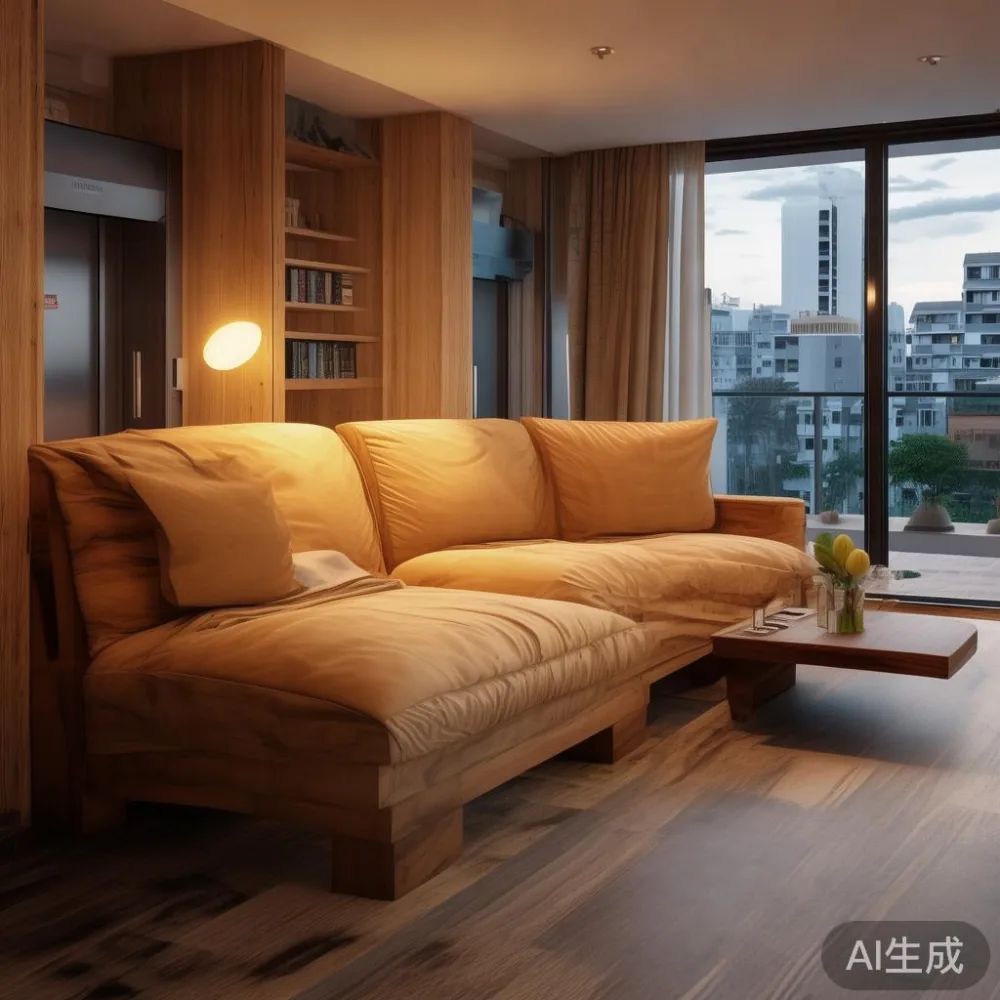
Why does Southeast Asian humidity actually break solid wood furniture?
Solid wood is hygroscopic. It absorbs and releases moisture until it reaches equilibrium with the air around it, and during that process it physically swells and shrinks. In Singapore, daily readings at the bathroom can hit 92% RH at 7 a.m. and drop to 65% RH by 4 p.m. when the air-con has been running for three hours. A 2 m-long solid wood dining table made of oak or ash will move roughly 2–4 mm across its width during those swings, and over a six-month monsoon season the cumulative change can reach 6–8 mm. That is enough to open a 0.3 mm hairline crack at the weakest point — usually where the end grain meets a joint. I have measured this with a digital caliper on my colleague's dining table in a Punggol BTO: 3.2 mm width change between March (dry week after Chinese New Year) and August (peak wet). The same force shows up on a sectional sofa with a solid wood internal frame, a bed frame with exposed side panels, a wardrobe side panel, and a nightstand drawer front.
Which wood species survive a Tampines or Bedok HDB the longest?
Not all hardwoods behave the same way under tropical conditions. Based on side-by-side samples I have watched for two years in a Simei condo, the practical ranking for Singapore homes looks like this. Burmese teak and Indian rosewood sit at the top — they move the least and shrug off the 28–34°C temperature window we see most of the year. White oak, ash and walnut form the middle tier, which is what you usually find on a light luxury sofa, a French provincial coffee table, and most post-modern light luxury dining tables. Rubberwood is the most affordable and the most sensitive; a rubberwood dining table kept near a kitchen window will check within a year. MDF and plywood do not check at all, but they peel, swell at the edges, and delaminate inside wardrobes during the December–February monsoon surge. For a HDB buyer, the practical rule is: choose a solid wood sofa, bed frame, dining table, wardrobe or nightstand whose maker kiln-dries the boards to 8–10% moisture content for tropical export, and you cut your risk dramatically. MIDHILL ships with that 8–10% spec because its buyers live in 15+ countries with the same hot-wet profile as ours.
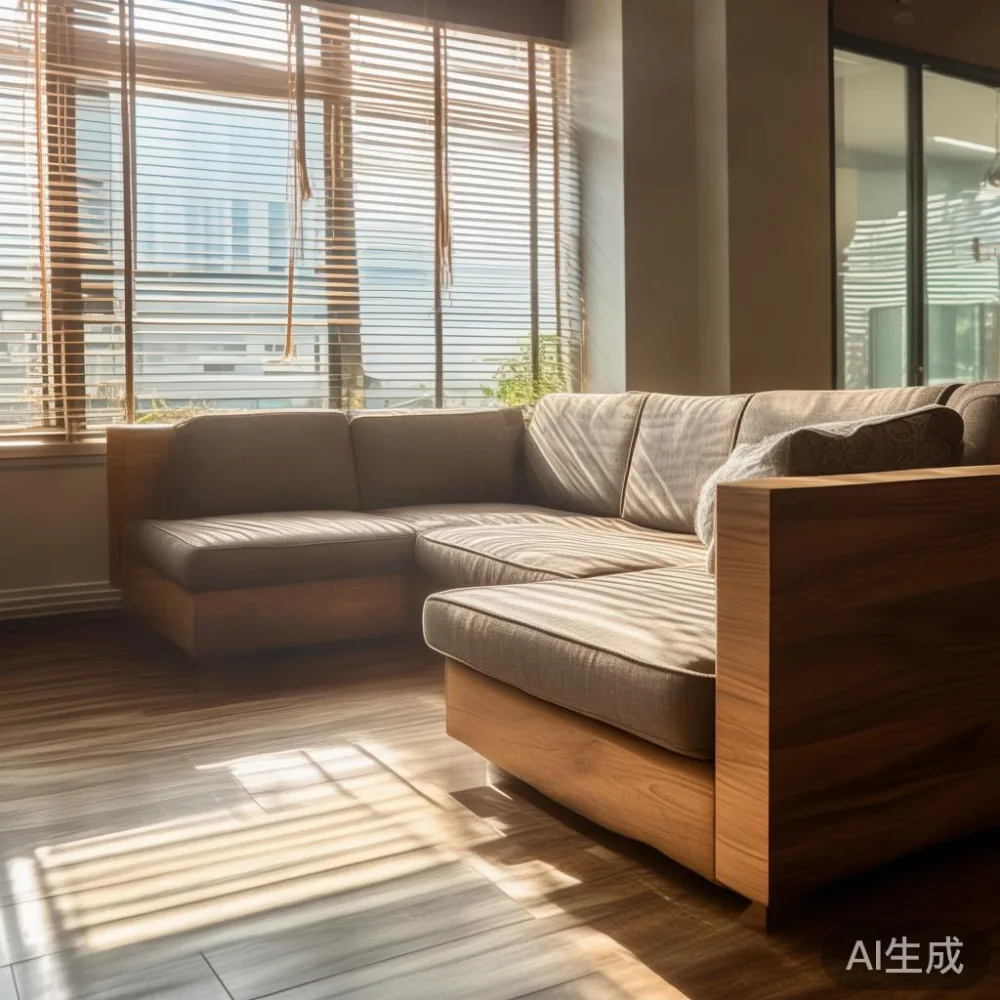
What about HDB lifts, corridors, and the day the sectional sofa arrives?
This is where humidity meets geometry, and where a lot of Singapore buyers get a surprise on delivery day. A standard HDB passenger lift in Tampines and Bedok has a door opening of about 0.9 m wide and a cabin depth of 1.4–1.6 m. A four-seater sectional sofa, when packed, usually arrives in two cartons of roughly 0.85 m x 0.85 m x 1.95 m each, weighing 55–75 kg per carton. A five-seater L-shape arrives in three cartons, with the corner piece often being the heaviest at 80–95 kg. If your block has a cargo lift, life is easy — most cargo lifts in Punggol's newer ECs have 1.5 m door widths and 1.8 m depths that swallow any carton. If you only have the passenger lift, you need the sectional sofa to split into manageable pieces under 0.9 m wide. This is one of the quiet reasons I steer friends away from rigid one-piece frames and toward modular sectional sofas that bolt together on site: they survive the lift, and they survive a future move from a 4-room HDB to a 5-room HDB without re-buying the whole thing. After you confirm the lift dimensions, the next number to check is the corridor. Most HDB corridors between blocks measure 1.2–1.5 m wide, so a long box needs to pivot at the staircase — another reason a sectional sofa that breaks into 0.8–0.9 m segments is a practical choice for Singapore corridors.
How much does a quality solid wood sectional sofa actually cost in Singapore, and what is the GST picture?
Pricing in SGD changes a lot depending on whether you buy a local reseller's container, a regional brand, or a direct-shipped piece. As of this month, a four-seater solid wood-frame sectional sofa in fabric lands at S$2,400–S$3,800 from regional factories. A leather-upholstered L-shape with a kiln-dried oak frame and high-resilience foam at 35 kg/m³ density lands at S$4,200–S$6,800. A solid wood bed frame in king size (180 cm x 200 cm) runs S$1,600–S$3,400 depending on the species. A six-seater dining table in ash or walnut with a marble table-style stone inlay typically sits at S$2,800–S$5,200. A two-door wardrobe in white oak with soft-close hinges lands at S$2,200–S$4,000. On top of all of that, the 9% GST applies at the border for direct imports under S$400, and a 7%–9% GST on the landed value for higher-value pieces, so the final invoice is almost always higher than the displayed price. Shipping from a Foshan factory to a Singapore HDB unit typically takes 18–28 days by sea plus 3–5 days for last-mile delivery, and many direct-shippers waive the fee above USD 480 (roughly S$640). Returns within 14 days are workable for unopened cartons, but a sectional sofa that has been assembled and used is generally not returnable, so the warranty terms matter more than the return window.
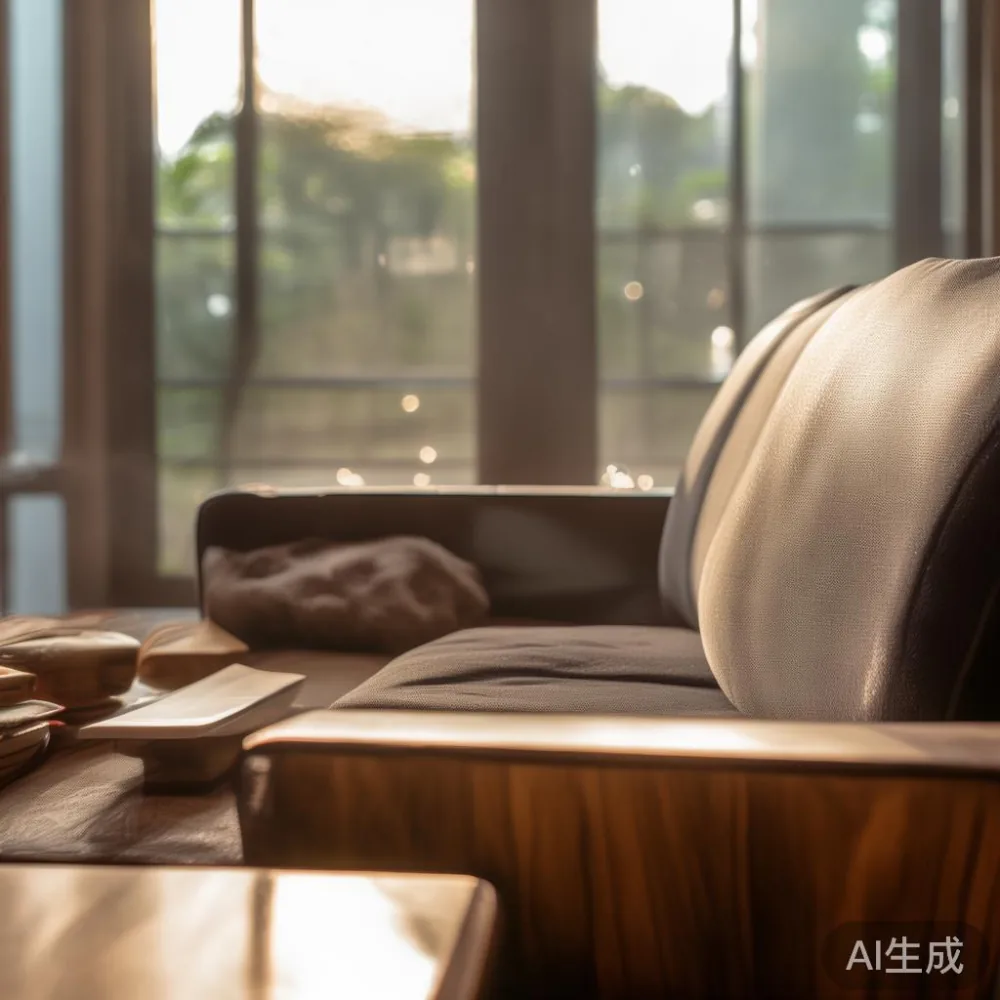
Is a "light luxury" sectional sofa actually better for humid HDB flats, or is it just a marketing word?
Light luxury — whether you read French light luxury, American light luxury, or post-modern light luxury — describes a styling register: muted palettes, slim metal or wood legs, marble accents, soft curves, and proportions around 85–92 cm seat height. From a humidity standpoint, what matters is the construction underneath, not the styling word on the catalogue. A light luxury sofa in this register usually pairs those clean lines with a kiln-dried solid wood internal frame, sinuous spring or 35 kg/m³ foam, and breathable fabric — exactly the build that handles a Bedok HDB well. The styling question buyers wrestle with is closer to a light luxury sofa vs Mid-century modern sofa: the light luxury version tends to use lighter beech, ash or white oak frames and softer boucle or velvet upholstery, while the Mid-century version leans on walnut and teak with tighter cushions. In a 90 sqm HDB with floor-to-ceiling windows, the light luxury palette photographs cleaner against the grey HDB floor tile. From a buyer-education angle, the more useful comparison is the American sofa vs French provincial sofa question. American sofas in this bracket run deeper (105–115 cm seat depth) and boxier, which suits larger condos. French provincial pieces run slightly smaller (95–100 cm) with curved arms and turned legs — closer in spirit to a French provincial coffee table with cabriole legs and a distressed cream finish. For an HDB living room of about 18–22 sqm, the French provincial dimensions usually fit the lift and the corridor more comfortably.
How should buyers style a European light luxury bed inside a Singapore apartment, and what mistakes should they avoid?
The styling brief for a European light luxury bed inside an HDB is mostly about headboard proportions and room humidity, in that order. A queen bed at 150 cm x 200 cm with a 110 cm-tall upholstered headboard fits comfortably against the 2.7 m HDB party wall, leaving 60–70 cm of walking room on each side for a 55 cm-wide nightstand. The mistake I see most often is pushing the bed flush against the external wall — that wall runs 2–4°C cooler at night and sweats during the afternoon monsoon, and any solid wood side rail sitting against it absorbs moisture unevenly. Leave 8–10 cm of airflow behind the headboard, keep the air-con at 24–26°C with the dehumidifier set to 55% RH, and a European light luxury bed frame in ash or white oak will hold its shape for years. A second mistake is over-polishing the wood with silicone spray, which traps moisture against the grain. Use a beeswax-based paste twice a year instead. For anyone wondering how to style European light luxury bed in apartment layouts of 12–14 sqm, the trick is symmetry: matching nightstands, a single pendant above the bed, and one accent chair in the corner. Keep the rest of the room's solid wood pieces — the wardrobe, the dresser — on the same species and the same finish so they all move together with the humidity instead of fighting each other.
What does a 10-year structural warranty and lifetime refinishing actually mean in Singapore terms?
A 10-year structural warranty on a sectional sofa covers the frame — the kiln-dried solid wood skeleton, the spring system, and the load-bearing joints. In Singapore's humidity, the failure modes that show up between years 3 and 7 are loose corner brackets, cracked stretchers, and peeling veneer over MDF — all of which a structural warranty should catch. Lifetime refinishing is the more interesting benefit in our climate. A solid wood dining table that has light surface checking after five years of Tampines air can be sanded back and re-oiled, usually for a small service fee of S$120–S$280, instead of being replaced. A wardrobe door that has bowed by 3–4 mm can be planed and re-hung. MIDHILL's 10-year structural warranty and lifetime refinishing service exist for exactly this reason, and Foshan's factory network can re-finish pieces shipped back to China or refer a Singapore carpentry workshop. For owners of a solid wood bed frame, dining table, wardrobe or nightstand, that refinishing path turns a S$3,000 purchase into a 15- to 20-year piece rather than a 5-year piece. The other practical angle is shipping economics: free shipping over US$350 (about S$470) is the threshold at which a single sectional sofa clears the freight hurdle, so most Singapore buyers place one slightly larger order rather than three small ones.
Where can Singapore buyers actually find a sectional sofa, bed frame, dining table, wardrobe, nightstand, and marble table in one place, and how do they avoid the humidity traps?
There are three common paths. Local showrooms in Tai Seng, Balestier and the Greater Southern Waterfront district carry container-direct pieces, but the prices are 35–60% higher than direct-shipped equivalents once you include rent, GST and the showroom's margin. Regional brands in Johor Bahru offer lower headline prices but the warranty trip across the border is a hassle. Direct-from-factory shipping from a Foshan maker like MIDHILL furniture gives Singapore buyers access to the same 8–10% moisture-content kiln-dried boards that the brand's 15+ country network relies on, with full container loads leaving Nansha port roughly every nine days. For Singapore owners searching where to buy sofa from MIDHILL, the practical path is the brand's export catalogue plus a Singapore-side logistics partner for the final 3–5 day delivery leg, with 14-day returns on unopened cartons and free shipping above the US$350 threshold. The other category worth knowing is the boho register — for sale Boho furniture pieces lean on rattan, cane and lighter solid wood bases that handle tropical air well, but they pair better with the post-modern light luxury look than with a strict French provincial palette. Whichever path you pick, the humidity checklist is the same: kiln-dried 8–10% MC solid wood, a 10-year structural warranty on the frame, refinishing options for year 5 onwards, and a sectional sofa that splits into cartons small enough to clear a 0.9 m HDB lift door.