Living With Humidity: A Practical Guide to Caring for Solid Wood Furniture in Singapore
I still remember the Saturday morning I walked into a Tampines HDB flat on the 12th floor to help a family unbox a new solid wood sectional sofa. The lift was 1.1 m wide and 2.1 m deep, the corridor outside the unit barely 1.2 m across, and we had to remove the protective cardboard in the hallway because the three-piece L-shape simply would not rotate inside the door frame. The buyer, a young couple who had saved for two years, kept apologizing for the cramped space. What struck me more than the logistics, however, was the look on their faces when they noticed the wood already felt slightly tacky after a 90-minute trip from the Jurong warehouse across the island in the back of a non-air-conditioned lorry. The relative humidity outside was reading 86 percent on my phone. That moment started a longer conversation about why Southeast Asian humidity is the single biggest environmental factor any solid wood owner in Singapore has to plan around.
Singapore sits comfortably within the equatorial humid climate zone. The average year-round relative humidity hovers between 78 and 86 percent, with morning readings frequently above 90 percent during the November to January monsoon push and the June to September southwest monsoon. Indoor humidity in a non-air-conditioned HDB flat can stay at 72 to 80 percent for hours after a hot shower or a session of cooking. For context, the wood moisture content that most joinery factories in Foshan target at the end of production is between 8 and 12 percent. When that same wood sits in a Tampines bedroom at 80 percent indoor humidity for a week, the moisture content can climb to 15 or even 18 percent. The wood does not just feel different; it physically moves.
This is the article I wish I had been able to hand that Tampines couple. It covers what humidity does to a solid wood sofa frame, a solid wood bed frame, a solid wood dining table, a wardrobe, a nightstand, and a marble table with a wooden base. It gives numbers you can measure against your own home, and it explains the small habits that decide whether your furniture lasts five years or twenty-five.
Why does high humidity make solid wood furniture swell, warp, or crack?
Wood is hygroscopic. That is the technical word for a material that absorbs and releases moisture from the surrounding air until it reaches an equilibrium moisture content. In Singapore, that equilibrium is high, usually 14 to 17 percent for indoor environments and as much as 20 percent in a corridor that never sees air-conditioning. When wood gains moisture, the cell walls swell; when it loses moisture, they shrink. Because solid wood grows in rings, it swells twice as much along the circumference of the log (tangential direction) as it does from pith to bark (radial direction). A 200 cm wide dining tabletop can move 4 to 8 mm across the grain through the seasons, and almost nothing along the length.
The result is predictable and visible. A bed frame slat loosens by 1 to 2 mm. A wardrobe door that closed cleanly in October develops a 2 mm rub at the top hinge by February. The middle rail of a sectional sofa frame bows outward by 3 mm when humidity has been above 85 percent for three weeks, because the back panel absorbs moisture faster than the kiln-dried frame. None of this is a manufacturing defect; it is wood behaving as trees taught it to behave. What matters is whether the maker designed for it.
What humidity numbers should Singapore homeowners aim for indoors?
If you own a French provincial wardrobe, a Korean-style extendable dining table, or any solid wood piece in a HDB or condo, the single most useful habit you can build is reading a hygrometer. A basic digital unit costs SGD 12 to SGD 18 at any neighbourhood electronics shop in Bedok or Tampines mall. The ideal indoor range for solid wood furniture is 45 to 60 percent relative humidity at 22 to 26 degrees Celsius. In practical Singapore terms, that means running the air-conditioner in the living room for at least four hours a day during the wet months, or pairing a dehumidifier set to 55 percent with a bathroom extractor fan.
A 12-litre domestic dehumidifier suitable for a 90 to 110 sqm HDB flat draws about 180 W and costs roughly SGD 22 a month in electricity at the current regulated tariff. For a 650 sq ft two-bedroom in Punggol, a single unit placed centrally and left running on auto mode between 11 pm and 7 am keeps the bedroom consistently at 52 to 58 percent. That single habit will do more for the long-term appearance of your solid wood bed frame than any polish or wax on the market.
Is a sectional sofa a good choice for humid Singapore homes?
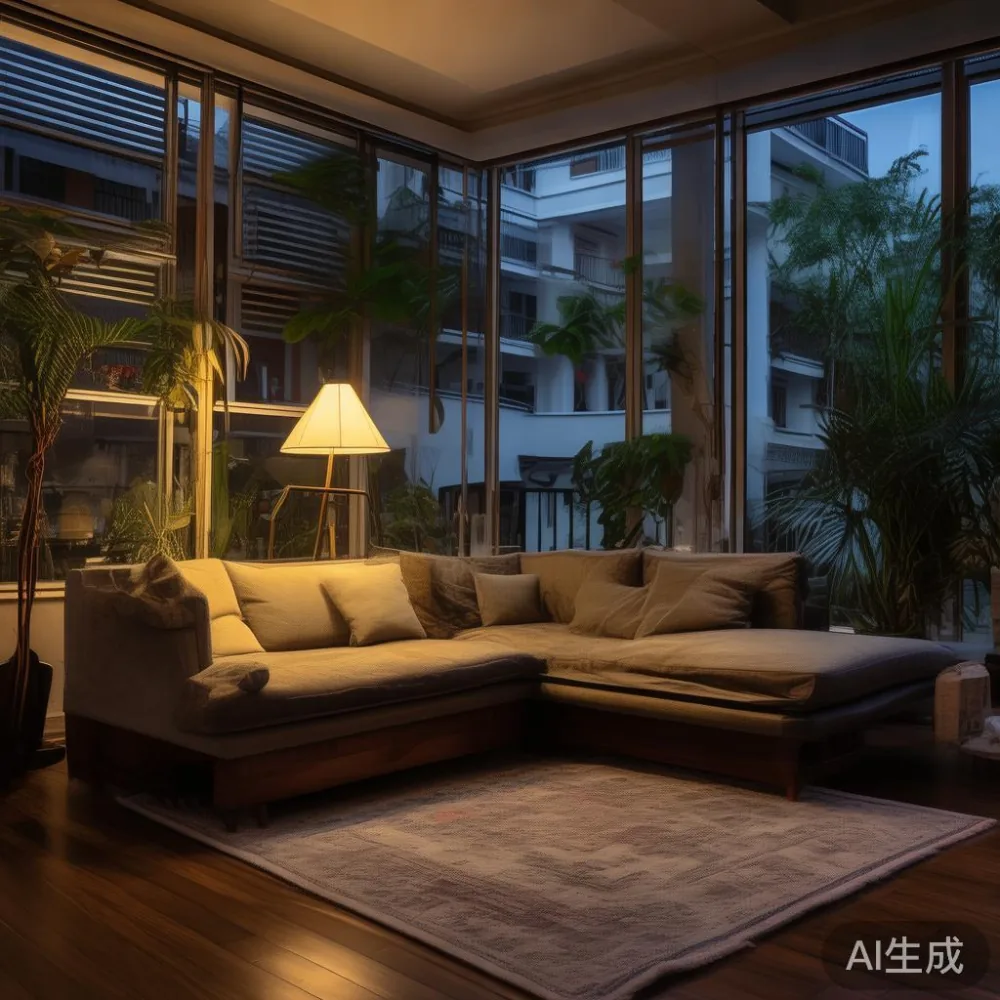
A well-made sectional sofa is one of the better furniture formats for a humid tropical home, but only if the internal frame is solid wood and the joinery is mechanical rather than glued. The reason is straightforward: an L-shape or U-shape distributes structural stress across more contact points, which means no single joint is asked to carry the full load as humidity causes micro-movements through the year. A three-seater sofa with only two side rails concentrates stress at four corner blocks; a sectional spreads the same load across six to ten connection points.
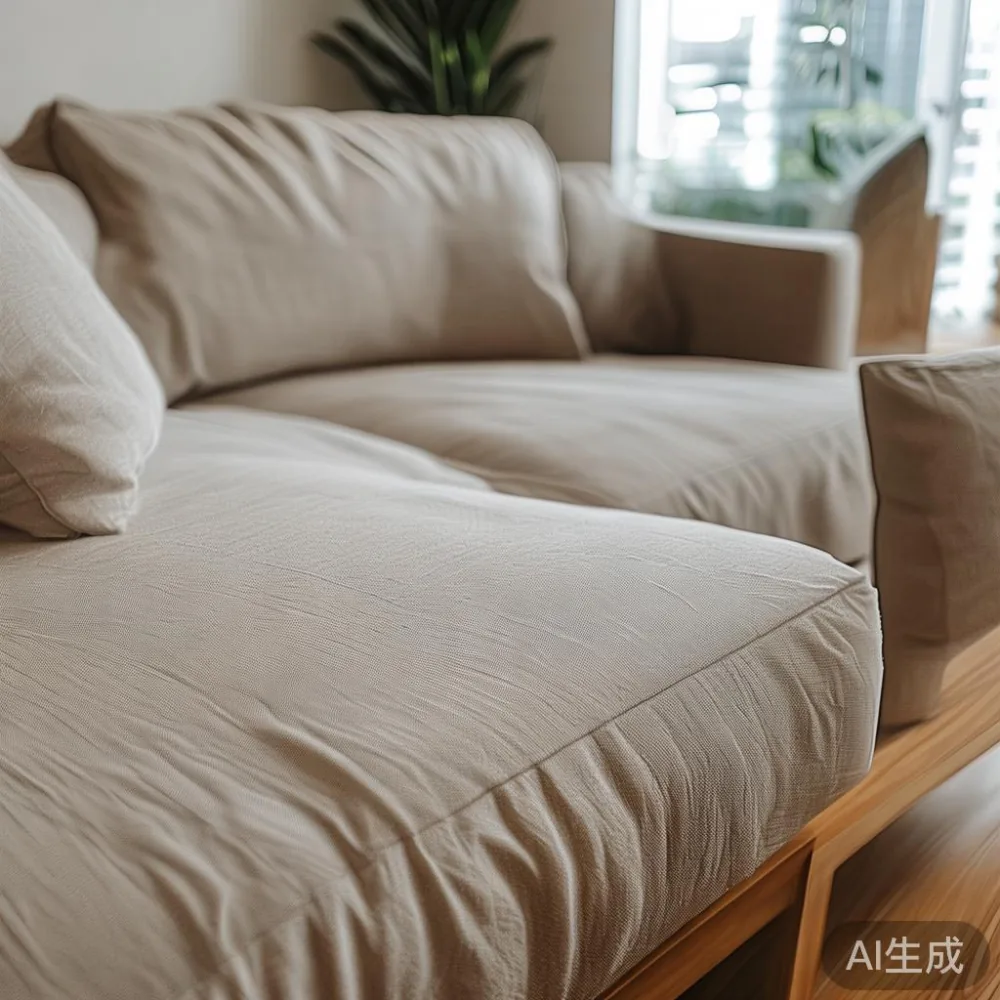
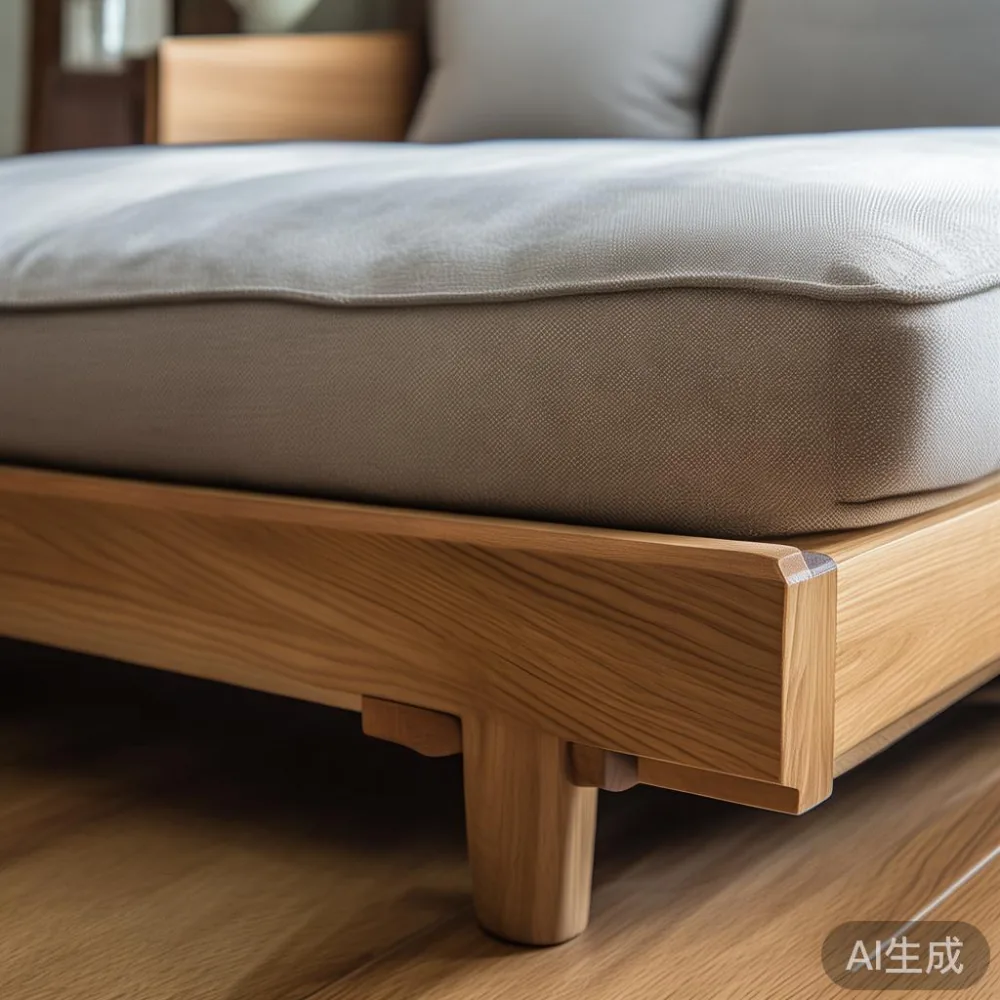
When I visited a colleague's new condo in Punggol last month, he had just taken delivery of a 280 cm by 220 cm L-shape solid wood sectional sofa with a chaise on the right-hand side. The frame was mortise-and-tenon joined at every corner, with 8 mm dowels and a loose-tongue floating panel in the back to allow for 6 mm of seasonal expansion. The cushions were high-resilience foam wrapped in 200 gsm polyester fibre, and the covers zipped off for washing. Two months in, after the December monsoon, his hygrometer read a steady 56 percent in the living room with the air-con on, and the sofa had not developed a single squeak or visible gap. That is the benchmark a Singapore buyer should look for.
Things to avoid in a sectional sofa destined for a humid home: MDF or particleboard internal panels, foam-only frames, glued corner blocks without mechanical fasteners, and back panels screwed tight to the frame with no float allowance. Ask the seller specifically whether the back panel is "floating" or "captured." A floating panel sits in a groove deep enough to allow 5 to 8 mm of expansion; a captured panel is glued or pinned and will eventually crack the surrounding frame.
How does humidity affect a solid wood bed frame and nightstand?
A solid wood bed frame is exposed to humidity from two directions in a Singapore bedroom: the general room air and the body moisture released during sleep. A sleeping adult releases 200 to 400 ml of water per night through perspiration and breathing. Without ventilation, that moisture settles into the mattress, the slats, and the headboard. Over six to twelve months, slatted beds develop a musty smell not because the slats are dirty, but because the wood moisture content has crept above 16 percent and mould spores have found a foothold.
The fix is mechanical. Keep 15 to 20 cm clearance under the bed frame so air circulates. Rotate slats seasonally if they are removable. Wipe down the inside of the headboard once a month with a dry microfibre cloth, never a wet one. For a nightstand, the risk is different: humidity enters through the back panel (the side facing the wall) faster than through the visible front, because the wall is cooler and condensation forms there in air-conditioned rooms. Pull the nightstand 5 cm away from the wall to allow airflow. This one habit reduces back-panel swelling by an estimated 30 to 40 percent in a 25 sqm bedroom.
How should I care for a solid wood dining table and a marble table in a tropical climate?
A solid wood dining table is the hardest-working wood surface in most Singapore homes, taking three meals a day, hot pots, and the occasional craft project. The first rule is temperature, not humidity. A 70 degrees Celsius hot pot placed directly on a 24 degrees Celsius oak tabletop creates a 46-degree thermal gradient that drives moisture out of the contact zone in seconds. The result is a white ring or, worse, a hairline crack along a growth ring. Always use a trivet; cork or felt pads cost SGD 8 to SGD 15 for a set of six and last for years.
For cleaning, use a damp, never wet, cloth and wipe in the direction of the grain. Avoid silicone polishes; they create a film that traps moisture against the wood and cloud the finish over time. A simple solution of 1 teaspoon of mild dish soap in 500 ml of water, applied with a well-wrung cloth, is enough for weekly maintenance. Dry the surface immediately with a second cloth. Once every six to twelve months, apply a thin coat of paste wax, buff it after 20 minutes, and leave it overnight. The wax fills micro-pores and slows moisture exchange by an estimated 40 to 60 percent.
A marble table with a wooden base needs a different routine. Marble is porous and will etch on contact with lemon juice, vinegar, or wine within seconds, but humidity itself does little to the stone. The wooden base, however, behaves exactly like a bed frame. Keep coasters under all glasses; a cold glass of water at 4 degrees Celsius placed on a marble slab at 26 degrees Celsius condenses moisture on the underside within minutes, and that water then drips onto the wood base. It is a slow-motion problem that takes two to three years to show as a darkened patch or a lifted veneer.
Is Nordic loveseat furniture worth it for small Singapore condos?
Nordic loveseat furniture is worth it for small Singapore condos, provided the loveseat you choose is built on a solid wood frame, uses kiln-dried beech or ash rather than pine, and offers removable, washable cushion covers. The Nordic style became popular in Singapore partly because the clean lines and pale finishes visually expand a compact 50 to 70 sqm condo, and partly because the joinery standards in Scandinavian factories tend to emphasise mechanical fasteners and floating panels, exactly what humid conditions reward. A 150 cm two-seater loveseat in beech will weigh 28 to 35 kg, light enough to move during the occasional deep clean, and the smaller footprint means less surface area exposed to ambient humidity swings.
The single thing to verify before buying is whether the cushion cores are high-resilience foam (minimum 32 kg per cubic metre density) wrapped in down-alternative fibre. Low-density foam below 25 kg per cubic metre collapses within 18 to 24 months in a humid climate and does not recover. A well-made Nordic loveseat should last 10 to 15 years in a Singapore condo with reasonable air-conditioning and basic care.
What should I look for when buying solid wood furniture in Singapore?
Three checks matter more than brand or price tag. First, ask whether the wood is kiln-dried to 8 to 12 percent moisture content before assembly, and whether the factory uses a moisture meter on every batch. Reputable Foshan exporters including MIDHILL, which has shipped container loads to Singapore distributors for over a decade, publish this figure on request. Second, ask how the back panels and drawer bottoms are mounted. A floating panel in a 5 to 8 mm groove is the correct answer; anything glued or stapled tight is a red flag. Third, ask about the finish. A catalysed lacquer, hard wax oil, or conversion varnish seals the wood more effectively in humid conditions than a simple polyurethane spray. A catalysed finish costs the factory roughly 15 to 20 percent more to apply but extends refinishing intervals from three years to seven or eight.
Logistics matter in Singapore. Most HDB lifts are 1.1 m wide by 1.4 m deep and 2.1 m tall, with a 600 to 800 kg weight limit. A king-size solid wood bed frame in ash can weigh 65 to 80 kg, well within the limit, but the outer carton may exceed the lift dimensions. Confirm that the seller offers unboxing at the door, not just doorstep delivery, especially for a sectional sofa in three or four boxes. GST of 9 percent applies on the landed cost for direct imports, but most Singapore furniture showrooms absorb it on displayed prices. Returns within 14 days are standard for in-stock items, though bespoke orders usually carry a 30 percent restocking fee.
How often should I refinish or treat solid wood furniture in Singapore?
A well-cared-for solid wood piece in a Singapore home should be refinished every 7 to 12 years, not the 3 to 5 years common in temperate climates. The reason is that Singapore's stable warm temperatures slow the oxidation and UV degradation that drive refinishing in colder countries, while the high humidity does the opposite work by swelling the wood and stressing the finish from underneath. The practical schedule looks like this: paste wax every six months, deep clean annually, light sanding and re-oiling every three to four years for oil-finished pieces, and full refinishing only when the surface shows visible wear or water no longer beads on the surface.
MIDHILL offers lifetime refinishing support on its export pieces, which in practice means the company will dispatch a service technician to your Singapore address for a touch-up fee of roughly SGD 80 to SGD 150 per piece, well below the SGD 400 to SGD 600 a local upholsterer would charge. For a French provincial wardrobe with intricate carvings, that lifetime support is worth more than the initial price difference, because local workshops rarely have the right mouldings or matching stains on hand. A 10-year structural warranty on the frame, kiln-dried beech or ash components, and floating panels throughout are the three specifications that justify paying a small premium over flat-pack alternatives that begin to fail after two wet seasons.
None of this replaces the simple daily habits. Keep a hygrometer. Run the air-conditioner or dehumidifier. Wipe spills within ten seconds. Pull furniture 5 cm away from exterior walls. Rotate cushions monthly. Those five habits, applied consistently, will keep a solid wood sectional sofa, a bed frame, a dining table, a wardrobe, a nightstand, or a marble table looking presentable for the next twenty years of Singapore living.