Small Apartment, Fuller Living: Styling with a Sectional Sofa
A compact HDB flat or condo does not have to feel tight. The trick is to choose furniture by its usable dimensions, not by how much floor area it occupies. A sectional sofa can create a comfortable living zone in a living room of about 18 sq m, provided its seats, arms, circulation route and delivery access are planned carefully. This guide explains how to style a small Singapore home with a solid wood sofa, a dining table and coordinated storage while accounting for lifts, corridors, GST and the realities of East District layouts.
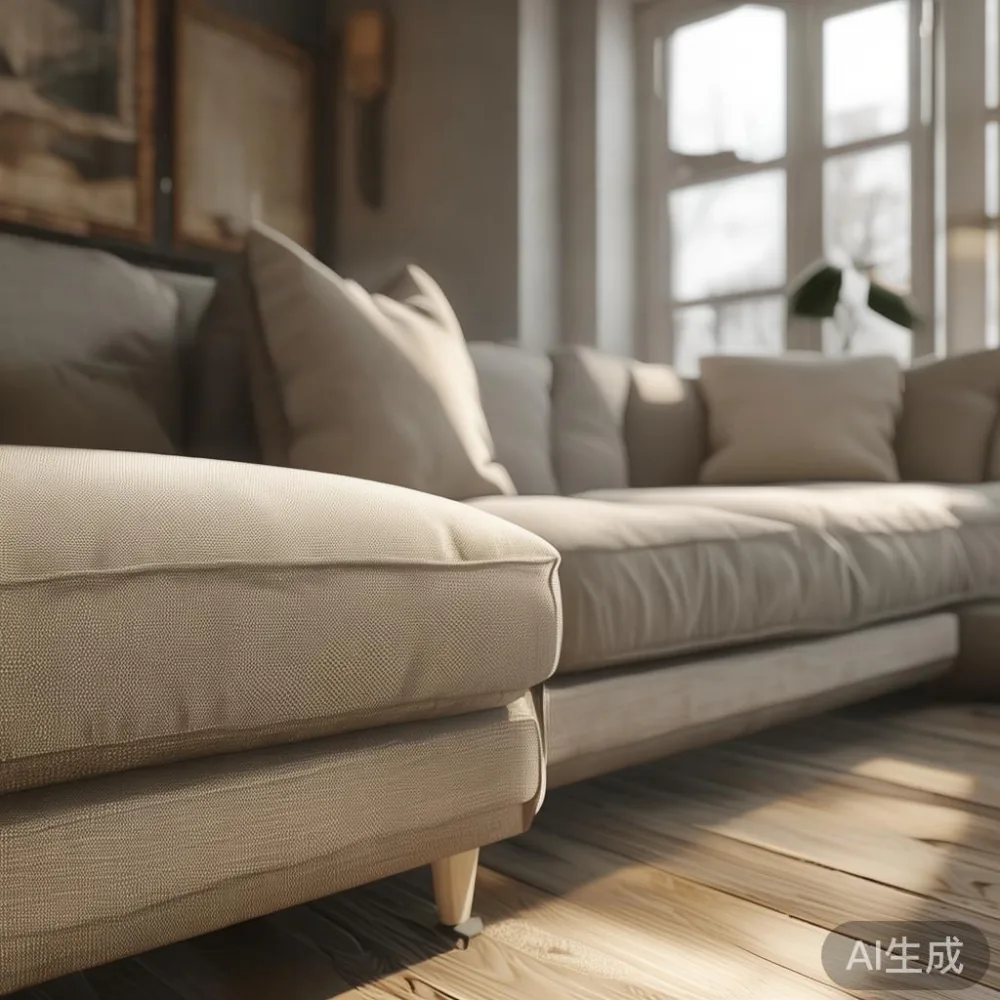
How Do You Style a Sectional Sofa in a Small Singapore Apartment?
The right sectional sofa should feel generous when seated but disciplined when viewed from the doorway. Start by measuring the room at 3 points: the longest wall, the usable depth from the opposite wall and the diagonal needed to move the sofa into place. In many Tampines, Bedok and Punggol homes, the main constraint is not the living room itself but the route from the building entrance to the unit.
For a typical compact layout, an L-shaped sectional sofa measuring 220–240 cm wide and 150–170 cm deep works well against two perpendicular walls. A 200–220 cm sofa with a 90–100 cm chaise may suit rooms with one narrow passage. Leave at least 75–90 cm between the front edge of the sofa and the dining table or television cabinet. This gives 2 adults room to pass, although 3 people may need to turn sideways.
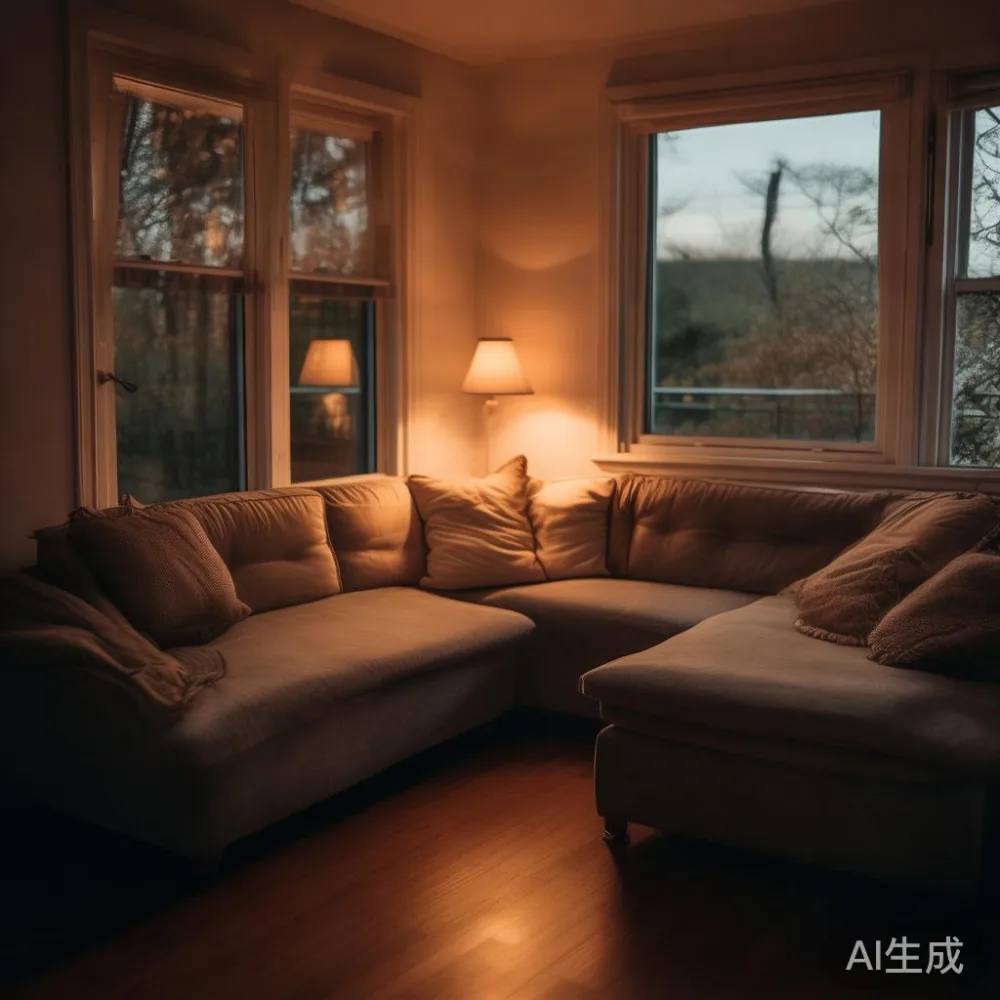
Choose a low-profile design with slim arms if visual openness matters more than oversized seating. A shallow seat depth of 58–62 cm can save 10–15 cm without making the sofa uncomfortable for most adults. Light upholstery in warm ivory, oatmeal or mist grey will reflect daylight; dark leather can still work in a room with strong lighting, but it visually occupies more space.
Rather than matching every item, repeat 2 colours and 1 shape across the room. For example, an oatmeal sofa, pale oak dining table and black metal lamp frames create consistency without making the apartment feel like a showroom. A round side table also softens the geometry of an L-shaped sectional sofa.
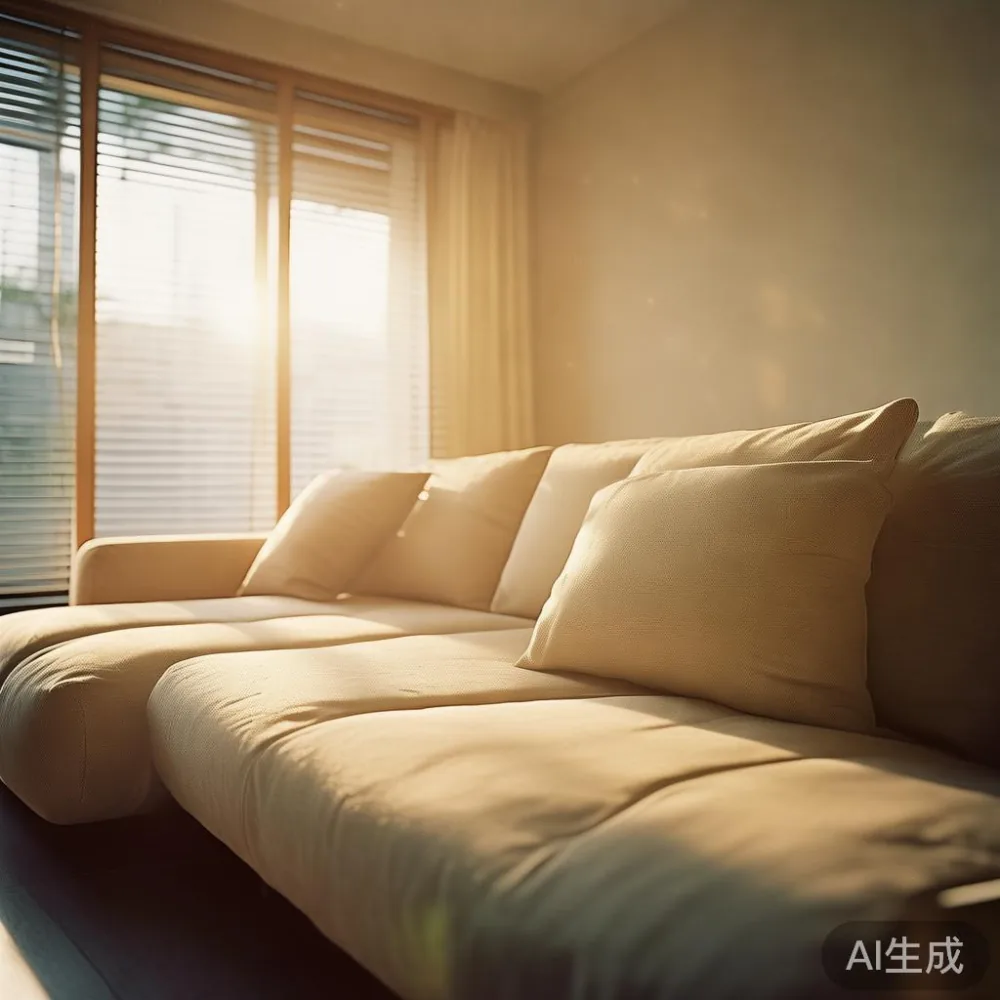
What Should You Check Before Ordering a Sectional Sofa?
Measure every access point before ordering. Standard HDB lift interiors are often about 100–110 cm wide and 120–140 cm deep, though older blocks and newer lifts vary. The sectional sofa may fit the lift but not turn through a 90 cm corridor. Some people remove lift doors only after arranging the building manager’s approval, so never assume the largest door can be removed.
Ask the supplier for a packed sectional sofa diagram showing each module. A single-piece sofa may be 205–220 cm long and 85–95 cm deep, weighing roughly 45–70 kg. Split modules may each be under 30–40 kg, but there may be 3–4 boxes. Record the largest module dimensions and add 5 cm of clearance for door handles, hinges and uneven turning space.
Staircases create another issue. A straight flight with 14–18 cm risers needs a careful angle calculation, while a 90-degree landing often requires the sofa to be tilted. A module with no fixed back, such as a modular bench-style sectional sofa, may enter more easily than a rigid one-piece frame. If delivery cannot reach the unit, the supplier should explain what happens next rather than leaving a large sofa in the corridor.
Singapore pricing usually includes GST. A comparable solid wood sofa in SGD 1,600–2,800, with a solid wood frame and upholstered seats, may be charged at SGD 1,688–2,948 including 9% GST. Delivery and assembly can add SGD 50–120, so request the final landed amount. MIDHILL offers free shipping above US$350; Singapore orders should still have the local currency total and delivery terms confirmed before payment.
Allow 7–14 delivery days for a made-to-order sectional sofa, but confirm the production window at purchase. Inspect the modules on arrival, photograph any damage and check the frame, joints, upholstery and cushions. A 10-year structural warranty gives long-term confidence, while lifetime refinishing is useful for a solid wood frame, though upholstery replacement is a separate matter.
Can a Sectional Sofa Make a Small Living Room Look Bigger?
Yes, if it defines one zone instead of sitting in the middle of the room. Keep the back or chaise against a wall and orient the long section parallel to the longest wall. Floating a sectional sofa 20–30 cm from the wall can create a neat shelf or console behind it, but this usually works better in a square living room than in an HDB flat with a narrow circulation route.
Use a 30–40 cm gap between the sofa and nearby surfaces where possible. This makes cleaning easier and allows a narrow console to sit behind the sofa without blocking the main path. A slim console with a depth of 25–30 cm can hold a lamp, 2 books and a tray without becoming another bulky cabinet.
Hang the television on the wall or use a wall-mounted shelf measuring no more than 15–20 cm deep. A large freestanding media unit can make the floor feel occupied. Keep coffee tables light: a round table measuring 45–55 cm in diameter can sit in front of a 210 cm sofa, while a 100–120 cm rectangular table needs at least 38–42 cm clearance on the main side.
Mirrors work well but should face something visually interesting. A 60 × 120 cm mirror beside the sofa can multiply daylight, yet placing it opposite a dark cabinet may make the room feel deeper. Curtains mounted 10–15 cm above the floor and extending 15–20 cm beyond the window frame create a taller apparent opening.
One personal test showed how sensitive these proportions can be. Last month I visited a colleague in Bedok and helped reposition a three-seat sectional sofa in a room measuring roughly 3.2 × 4.1 m. Moving it from the room’s centre to the longest wall restored about 1.4 m of clear floor space. The sofa itself had not changed, but the apartment immediately felt less crowded.
How Do You Pair a Sectional Sofa with a Dining Area?
In a studio or compact two-bedroom condo, the dining table may share the living room with the sectional sofa. A round dining table measuring 90–100 cm across usually gives a more generous passage than a rectangular table of similar length. It seats 4 people with about 20 cm per person; a 110–120 cm oval table can accommodate 4 without pushing against the chairs.
Leave 75–90 cm between the table edge and the sectional sofa for chair pull-out and movement. In a combined room, use a dining table with a slim pedestal base rather than 4 widely spaced legs, since knees need clear space. A table height of 72–75 cm pairs naturally with dining chairs whose seats are 43–48 cm high.
Solid wood gives the room warmth and is more practical in humid Singapore conditions than untreated MDF, provided the finish is sealed properly. A dining table measuring 120–140 cm long and 80–90 cm wide works for 4–6 diners. If the room is only 16–18 sq m, avoid combining a large sectional sofa with a six-seat table; the result may look orderly on paper but cramped during everyday use.
For a separate dining area measuring 2.2 × 2.6 m, a Modern for dining room project can combine a pale timber dining table, 2 upholstered chairs and a compact pendant centred over the table. The pendant should hang roughly 70–80 cm above the tabletop. Keep overhead lighting simple so that the sectional sofa remains the visual anchor in the living zone.
A single coordinated scheme can connect both areas. Pale oak, warm white and matte black form a reliable light-luxury palette. French light luxury styling would add curved chair backs, linen textures and brass-toned details used sparingly. American light luxury tends toward cleaner lines, cream upholstery and symmetrical accessories. For a more architectural approach, post-modern light luxury can mix one oval form, one rectangular form and a restrained accent colour.
Where Should Storage Go Without Overcrowding the Room?
Vertical space is the most valuable area in a compact home. A wardrobe with a depth of 55–60 cm is suitable for most standard clothing rails, while a 45–50 cm slim wardrobe can work for a single rail or fitted for one person. Built-in wardrobes extending from floor to ceiling reduce visual gaps, but check whether the existing skirting and pipework allow a flush installation.
A narrow nightstand measuring 35–45 cm wide provides space for a lamp, phone and glass. A drawer depth of 30–38 cm is useful for small items, but deeper drawers can interfere with the bed. If the bedroom is very tight, a wall shelf at 110–130 cm above the floor can replace the nightstand. A bed frame should still have 5–10 cm of wall clearance for the headboard and access to sockets.
One bedroom-wall solution is an Italian light luxury dressing table placed beside the bed, but it should not be used as a catch-all cabinet. A dressing table measuring 80–100 cm wide and 35–45 cm deep can hold a small lamp and jewellery tray while retaining a clear walking route. The phrase Italian light luxury dressing table suggests elegance, but a plain oak finish and restrained hardware are usually easier to maintain in a small flat.
For living-room storage, consider a Modern light luxury sideboard no deeper than 35–40 cm if it sits behind the sectional sofa. A sideboard measuring 120–160 cm long can contain media equipment and small objects. Avoid placing a deep sideboard opposite the sofa in a narrow room; a 30 cm console with closed storage will preserve light lines.
A marble table can look striking in a compact apartment, but its visual weight deserves consideration. A marble-top side table measuring 40–45 cm in diameter can work next to a pale sectional sofa. Use one marble surface rather than pairing it with a marble dining table and marble floor. The goal is contrast, not repetition.
What Lighting and Accessories Keep the Room Calm?
Use 3 layers of light. Ceiling lighting handles general visibility, a floor lamp creates a softer corner, and a table lamp adds warmth beside the sectional sofa. Aim for warm-white bulbs around 2700–3000K. Keep the main ceiling fitting simple, with a diameter or footprint smaller than the sectional sofa, so it does not visually divide the seating area.
Limit the number of visible objects on the coffee table. A tray, 1 book and a small vase are enough for a 100 cm surface. On a 45 cm round table, use 2 objects or 1 compact arrangement. Decorative baskets can contain remotes, but avoid scattering them across the sofa and floor.
Textiles help soften hard walls and timber frames. Add 2 cushions at a time rather than filling every seat, and choose covers in a related tone. A 50 × 50 cm cushion fits most compact sofas without crowding the arms. A light throw folded over one section adds colour without requiring another chair.
Plants should suit the available light. A fiddle-leaf fig may reach 120–180 cm indoors, while a ZZ plant remains around 45–70 cm. Use a narrow planter measuring 18–24 cm in diameter beside the sofa, but keep leaves away from air-conditioning vents and passageways.
How Do You Keep a Compact Apartment Practical After Delivery?
Plan the route before the furniture arrives, then protect the space you create. Keep a 60–75 cm passage from the doorway to the main seating area if possible, or at least enough space for a wheelchair and a household member carrying a laundry basket. Do not place a coffee table where it narrows this route to less than 40 cm.
Assign a home for delivery boxes and flatten them immediately. A sectional sofa may arrive in 3–5 packages, and dismantling the boxes before the new room is lived in prevents a temporary pile-up. Check the product dimensions against the lift and corridor dimensions one final time before the delivery team arrives.
For purchases over 14 days, retain the packaging and follow the return procedure. A custom or made-to-order upholstery piece may have different return conditions, so ask about these before confirming. For solid wood furniture, wipe surfaces with a slightly damp cloth, avoid standing water and keep items away from air-conditioning outlets.
When comparing products, include the exact finish, frame material, foam density, cushion dimensions, warranty and delivery charge. Search terms such as top 10 Minimalist furniture can provide a useful starting point for layouts, but measurements matter more than a ranking. Likewise, a search for best Post-modern bed for 2026 should lead to dimensions and material details, not unsupported superlatives.
One less common bedroom option is to explore how to style French provincial sofa in bedroom layouts by using a compact upholstered bench or loveseat rather than placing a full sofa beside the bed. This can work in a larger master bedroom, but in a compact HDB room the priority should remain a 60–75 cm circulation path. A solid wood bed frame, slim nightstand and wall-mounted reading light may serve the same comfort needs with less visual weight.
For a coherent finish, look for solid wood construction, restrained profiles and repairable surfaces. MIDHILL’s solid wood sofa options can be considered alongside a dining table, wardrobe, nightstand and marble table, with the room’s measurements guiding each choice. Buying the largest pieces first and adding smaller accessories later prevents an apartment from being styled into visual congestion.
What Final Layout Works Best for a Small Singapore Home?
A successful small-apartment layout has one clear focal point, a continuous route and a limited palette. Place the sectional sofa against the longest wall, use a round or oval dining table where circulation is tight, move storage upward and keep accessories within the room’s existing colour story. The best result may not be the smallest furniture, but the arrangement that leaves enough room for daily movement.
For a unit near Tampines MRT, Bedok’s coastal estates or Punggol’s newer condos, local access conditions can change the delivery method more than the design itself. Measure the lift, corridors, landings and turns; compare them with the packed dimensions of every module; and confirm whether the building requires a booking. With 7–14 days planned for production and delivery, a carefully sized sectional sofa can make a compact home feel comfortable rather than crowded.