The Silent Enemy: How Singapore's Humidity Affects Your Wood Furniture
Living in Singapore means living with humidity. The air is thick, the climate is tropical, and the seasons are defined by monsoon rains. This persistent moisture, a fact of life for residents in Tampines, Bedok, and Punggol alike, is more than just an inconvenience; it's a constant, silent force that can quietly damage the things we own. Nowhere is this more apparent than with our furniture. A solid wood sofa, a beautiful dining table, or a custom wardrobe can become casualties of the damp if not properly understood and cared for. This article explores the relationship between Singapore's climate and wood furniture, providing practical advice to ensure your investments remain beautiful and functional for years to come.
Why Humidity is the Arch-Nemesis of Solid Wood
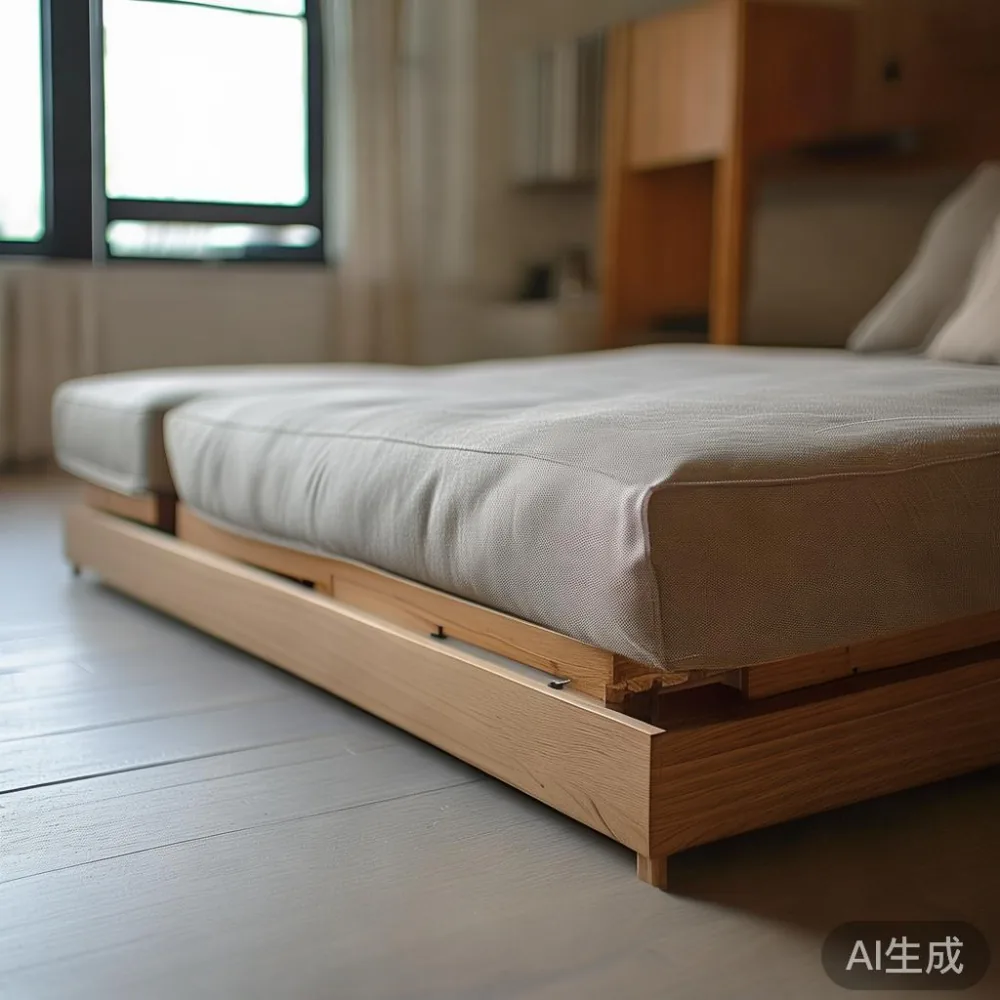
Wood is a natural, hygroscopic material. This scientific term simply means that wood absorbs and releases moisture from the air. In a place like Singapore, where the relative humidity often hovers between 70% and 90%, wood is in a constant state of absorbing moisture. This process causes the wood fibers to swell. When the humidity drops, as it might during an air-conditioned night, the wood releases moisture and contracts. This repeated cycle of expansion and contraction, happening over thousands of microscopic fibers, is the primary cause of humidity-related damage.
For a solid wood sofa, this can manifest as loose joints that creak and wobble. For a dining table, it can mean panels separating, creating unsightly gaps. For a wardrobe or bed frame, doors might warp and stick, and drawers can become misaligned, making them difficult to open. The problem is particularly acute in Singapore's HDB flats and condos. These buildings, while modern, can have significant temperature and humidity fluctuations between the naturally ventilated common areas (lifts, corridors) and the climate-controlled interiors of the apartments. A solid wood sofa placed near a window in a condo in Punggol might experience a completely different humidity profile from one in an HDB flat in Bedok.
How to Spot the Warning Signs of Humidity Damage
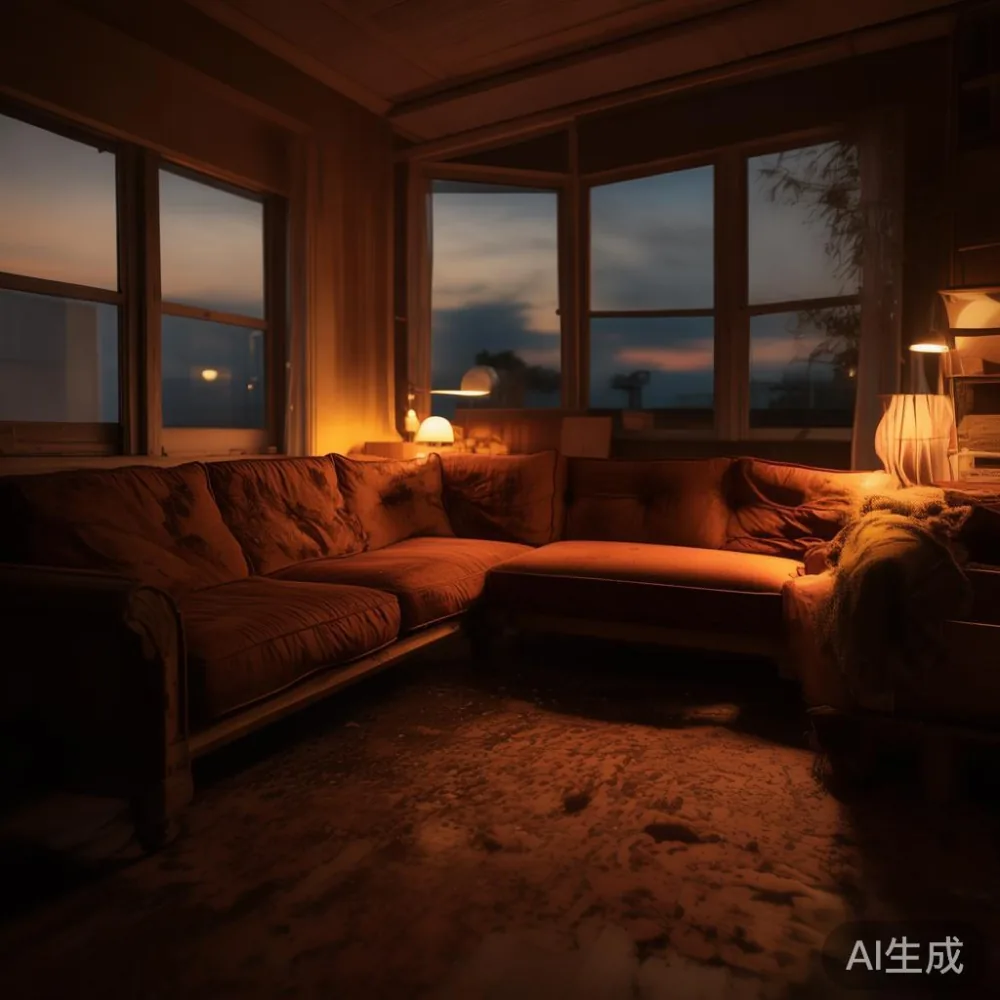
Before damage becomes irreversible, wood furniture often shows subtle signs of distress. Knowing what to look for can help you intervene before a small issue becomes a major problem. The key is to inspect your pieces regularly, especially during the Northeast Monsoon season when humidity levels peak.
One of the most common signs is **gapping**. Look closely at the seams of your dining table or the panels of your wardrobe. If you see cracks or spaces where wood meets wood, it's a clear indicator that the wood has shrunk. Conversely, if drawers in a nightstand are suddenly sticking, it could mean the wood has swollen, making them too tight for their runners. Another tell-tale sign is **warping or cupping**. This is when flat surfaces, like a table top or a sofa armrest, no longer lie flat. They might bend upwards at the edges (cupping) or develop a slight curve along their length (warping). A final sign to watch for is a change in the **finish**. A cloudy or white appearance, known as blushing, can occur when moisture gets trapped under the lacquer or varnish. Last month, I visited a client in a Tampines condo who had a beautiful American light luxury bed frame. The headboard, made of solid oak, had developed a distinct warp, and the drawers were almost impossible to slide open. A quick check with a hygrometer confirmed the humidity in the room was over 85%.
Choosing the Right Wood: A Guide for Singaporean Homes
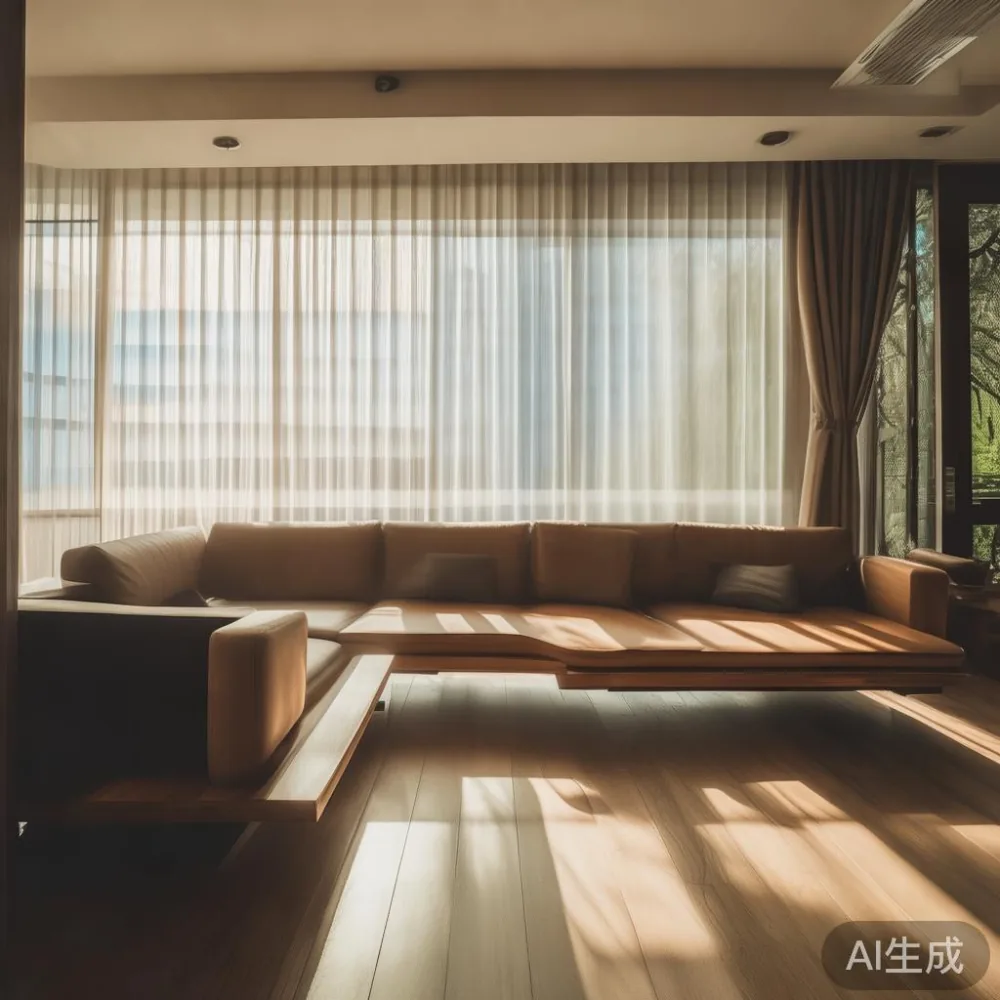
Not all wood reacts to humidity in the same way. Some species are naturally more stable than others, making them better suited for Singapore's climate. When selecting furniture, especially a large piece like a sectional sofa, understanding the type of wood used is a critical step.
Hardwoods like Teak, Mahogany, and White Oak are generally excellent choices. Teak is famous for its high oil content, which naturally repels water and makes it highly resistant to swelling and shrinking. Mahogany is also very stable and known for its beautiful, rich grain. White Oak, with its tightly packed pores, is another stable and durable option. These woods are often used in higher-end, light luxury furniture because they offer both beauty and resilience.
On the other hand, softer woods like Pine or Rubberwood are more porous and absorbent. They will be more significantly affected by humidity changes. If you love the look of a particular piece made from a less stable wood, it's not a deal-breaker, but it does mean you need to be more diligent about controlling the environment around it. For example, if you are considering a post-modern light luxury sectional sofa with a pine frame, you should ensure it's placed away from direct sources of moisture like air-conditioning vents or open windows during a downpour.
How to Choose Japanese Sofa for a Singaporean Apartment
For styling a Singaporean apartment, many homeowners are drawn to the minimalist and elegant aesthetic of Japanese-inspired furniture. The question is, how to choose Japanese sofa that is both beautiful and practical for our humid climate? A true Japanese sofa, often low to the ground and featuring clean lines, can be a stunning centerpiece. The key is to look for one constructed with stable hardwoods. Many high-quality Japanese-style sofas are made with solid wood frames, often using woods like Japanese Ash or Walnut, which offer good stability. Look for a sofa with a solid joinery system, such as mortise and tenon joints, which are less likely to loosen under stress from wood movement. The upholstery also plays a role. Natural fabrics like linen or cotton can breathe better than synthetics, but they are also more prone to absorbing moisture. A good compromise is to choose a high-performance, natural-fiber blend that offers both comfort and some resistance to dampness.
Practical Tips for Protecting Your Wood Furniture
While choosing the right furniture is the first line of defense, managing your home environment is the most effective way to protect your investment. Here are several practical, actionable steps you can take today.
**1. Control Your Indoor Climate:** The most effective solution is to use a dehumidifier. In a small HDB flat bedroom, a 30-litre dehumidifier can reduce the humidity to a comfortable 50-60% in just a few hours. Running it for 4-6 hours a day, especially during the night, can make a world of difference. Air conditioning also helps, as it cools the air and reduces its moisture-holding capacity. However, ensure good airflow around your furniture to prevent cold spots from causing localized condensation.
**2. Use Furniture Pads:** Place felt or rubber pads under the legs of your dining table, bed frame, and sofa. This does two things: it protects your floors from scratches and, more importantly, it creates a small air gap that allows for better air circulation underneath the piece. This helps prevent moisture from getting trapped and causing the base of the legs to swell and rot.
**3. Maintain a Consistent Environment:** Avoid placing solid wood furniture next to heat sources like radiators or direct sunlight, which can cause rapid drying and cracking. Also, be mindful of placing furniture directly against an exterior wall, as these walls can be colder and damper. Leave at least a 5-10 cm gap for air to circulate.
**4. Care for the Finish:** A good finish acts as a protective barrier. Dust your furniture regularly with a soft, dry cloth to remove any abrasive particles. For deeper cleaning, use a damp cloth followed immediately by a dry one. Never let water sit on the surface. Applying a high-quality furniture wax or polish once or twice a year can help nourish the wood and replenish the protective oils in the finish.
Is a Solid Wood Sectional Sofa a Good Choice for Singapore?
This is a question we hear often, and the answer is a qualified yes. A solid wood sectional sofa can be an exceptional choice for a Singaporean home, provided you are aware of the commitment it requires. The beauty, durability, and timeless appeal of a solid wood frame are undeniable. It offers a sense of substance and craftsmanship that mass-produced furniture simply cannot match. However, a sectional sofa is a large, single piece of furniture. Its size means it has a larger surface area exposed to the environment, and its frame is under constant stress from people sitting on it.
The key to success lies in the quality of the construction. A well-made sectional sofa from a reputable manufacturer like MIDHILL will use premium, kiln-dried hardwoods and superior joinery techniques. Kiln-drying is a process where wood is dried in a controlled environment to a specific moisture content, making it much more stable and less likely to warp or crack after it leaves the factory. The frame should feature corner blocks and dowel joints, which are far stronger and more resistant to movement than simple staples or glue. If you choose a solid wood sectional sofa, you must be prepared to follow the humidity control tips mentioned above. The reward is a piece of furniture that will not only serve you for a decade but can also become a cherished heirloom, developing a beautiful patina over time.
Understanding Your Warranty: What 'Lifetime Refinishing' Really Means
When investing in solid wood furniture, a comprehensive warranty provides peace of mind. At MIDHILL, for instance, they offer a 10-year structural warranty and a lifetime refinishing service. It's important to understand what these terms cover in the context of a humid climate. The 10-year structural warranty protects you against defects in the frame's construction. If a joint were to fail due to poor craftsmanship, the warranty would cover the repair or replacement. This warranty is a proof of the confidence the manufacturer has in their materials and building techniques.
The 'lifetime refinishing' warranty is a unique and valuable service. Wood furniture, especially in a humid environment, will show signs of wear. The finish can become dull, scratched, or damaged over time. A refinishing service involves stripping the old finish, sanding the wood, and applying a new, protective coat. This process can restore a piece like a dining table or wardrobe to its original beauty. However, it's typically offered for the original owner and covers the cost of the service, not the shipping or handling of the piece. For a large item like a sectional sofa, the logistics of refinishing can be complex, so it's always best to check the specific terms with the manufacturer. This long-term support ensures that your furniture can be maintained for a lifetime, adapting to the changes in your home and climate.
Mid-century Modern for Dining Room: A Stylish and Practical Choice
The Mid-century modern aesthetic has seen a remarkable resurgence, and for good reason. Its clean lines, organic shapes, and functional design are perfectly suited to modern Singaporean apartments. When you consider Mid-century modern for dining room, you're not just choosing a style; you're choosing a design philosophy that prioritizes both form and function. A classic mid-century dining table often features tapered legs and a simple, geometric top, which helps to make a space feel larger and more open. This is a significant advantage in the sometimes compact layouts of HDB flats and condos. The style pairs beautifully with a variety of chairs, from molded plastic to upholstered options, allowing for a customized look. When selecting a mid-century piece, look for one made from stable woods like teak or walnut to ensure it can withstand Singapore's humidity while maintaining its iconic silhouette for years to come.
Final Thoughts on Furniture and Humidity
Working through the challenges of humidity doesn't mean you have to forgo the beauty of solid wood furniture. It simply requires a bit of knowledge and proactive care. By understanding how wood behaves, choosing the right pieces for your home, and managing your indoor environment, you can create a living space that is both stylish and resilient. A solid wood sofa can anchor your living room, a dining table can be the heart of your home, and a bed frame can provide a stable foundation for rest. These are investments that, when cared for properly, will bring you joy and comfort for a lifetime. Remember, the goal is not to fight nature, but to work with it, protecting your furniture so it can gracefully endure the unique climate of Singapore.