A Guide to Caring for Your Lacquered Surface in Singapore's Humid Climate
Living in Singapore, with its year-round high humidity and temperatures that rarely dip below 26°C, presents a unique set of challenges for homeowners. The air is thick with moisture, and while this is a paradise for tropical plants, it can be less kind to certain materials. This is especially true for fine furniture with a lacquered finish, a popular choice for those seeking a sleek, modern look. A lacquered sectional sofa, for instance, offers a flawless, high-gloss surface that can instantly improves a living room. But without proper care, that same beautiful finish can suffer in our local environment. This guide provides practical, concrete advice on maintaining your lacquered furniture, whether it's a statement-making sectional sofa, a sophisticated bed frame, or a dining table, ensuring its beauty lasts for years to come.
Why Does Singapore's Climate Affect Lacquered Furniture?
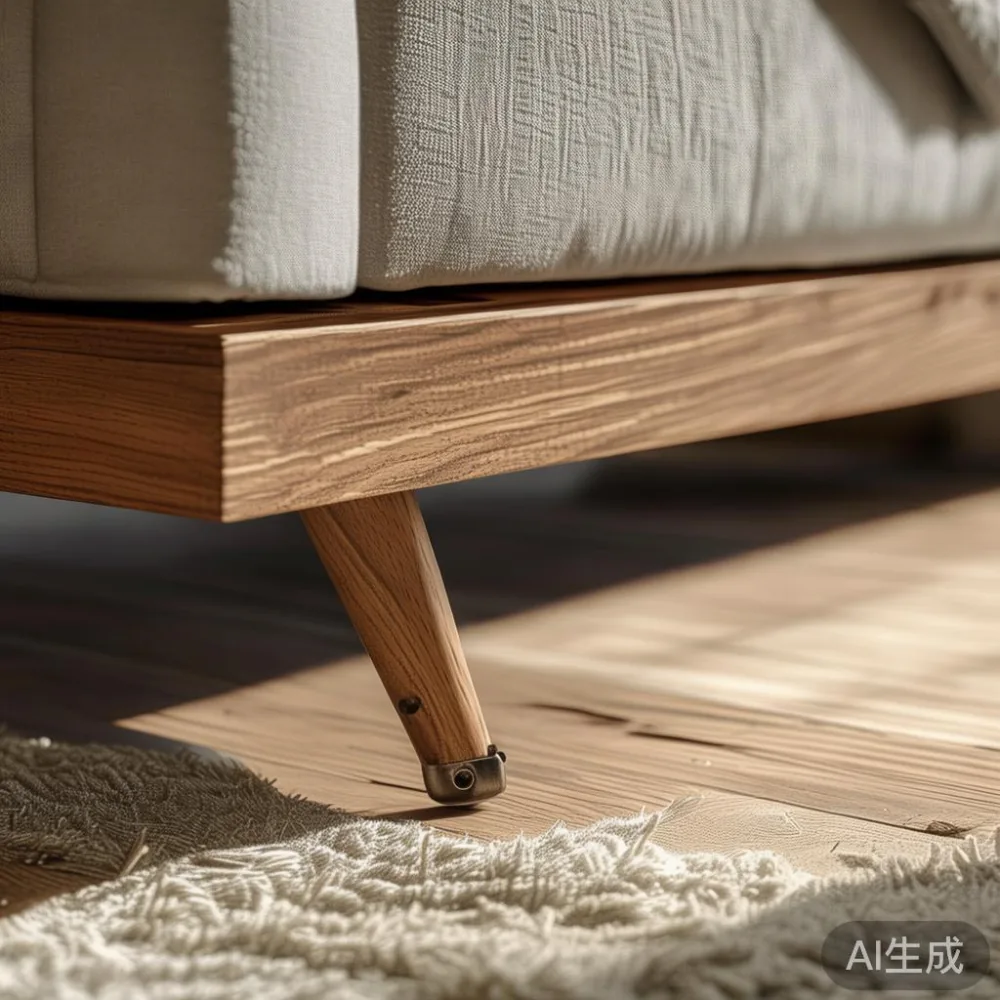
Lacquer is a hard, durable finish applied over wood to create a protective, often glossy, layer. It is in effect a plastic coating that seals the wood underneath from the elements. In a tropical climate like Singapore's, the primary enemies of this finish are not water, but the constant presence of moisture in the air and the intense ultraviolet (UV) radiation from the sun. Singapore's average relative humidity hovers around 80%, and in a sealed HDB flat or condo, this moisture can become trapped. When the temperature fluctuates, especially with the use of air-conditioning, condensation can form on the surface of the furniture. This trapped moisture can seep into microscopic imperfections in the lacquer, leading to problems like white spots, hazing, or in severe cases, blistering and peeling. The UV rays, on the other hand, can cause the lacquer to fade over time, changing its original colour and sheen.
How Often Should You Clean Your Lacquered Sectional Sofa?
The frequency of cleaning depends entirely on your home's environment and how much use the furniture gets. As a general rule for Singaporean homes, a light dusting every 2-3 days is recommended to prevent a build-up of dust and fine sand particles. These particles, when combined with the humidity, can act like a very fine abrasive, slowly dulling the surface's shine. A more thorough cleaning should be performed weekly. For this, you will need a few simple tools: two soft, lint-free microfiber cloths (one for cleaning, one for drying), a bucket of clean water, and a pH-neutral wood cleaner. Avoid using any harsh chemicals, ammonia-based products, or even plain water on its own, as these can strip the lacquer's protective oils. My colleague in our Tampines showroom recently shared an experience: a customer who used a common household cleaner on their new lacquered coffee table left a permanent cloudy patch. It was a costly mistake that could have been avoided with the right product.
What is the Correct Cleaning Process?
Cleaning a lacquered surface is a delicate process that requires a gentle touch. Begin by removing any loose dust or debris with a dry microfiber cloth. Next, lightly dampen the second cloth with your pH-neutral cleaner solution. It is critical that the cloth is only slightly damp, not wet. Wring it out thoroughly to remove excess water. Wipe the furniture surface in a smooth, consistent direction, following the wood grain if it's visible through the lacquer. Never use a circular motion, as this can create fine swirl marks that will catch the light and become visible. After wiping the entire piece, immediately use a dry, clean microfiber cloth to buff the surface dry. This step is non-negotiable in Singapore's climate; leaving any moisture to air-dry can lead to water spots or, over time, damage the finish. For a sectional sofa that is 280 cm long, this process might take 15-20 minutes to do thoroughly.
Can I Place My Lacquered Sectional Sofa Near a Window?
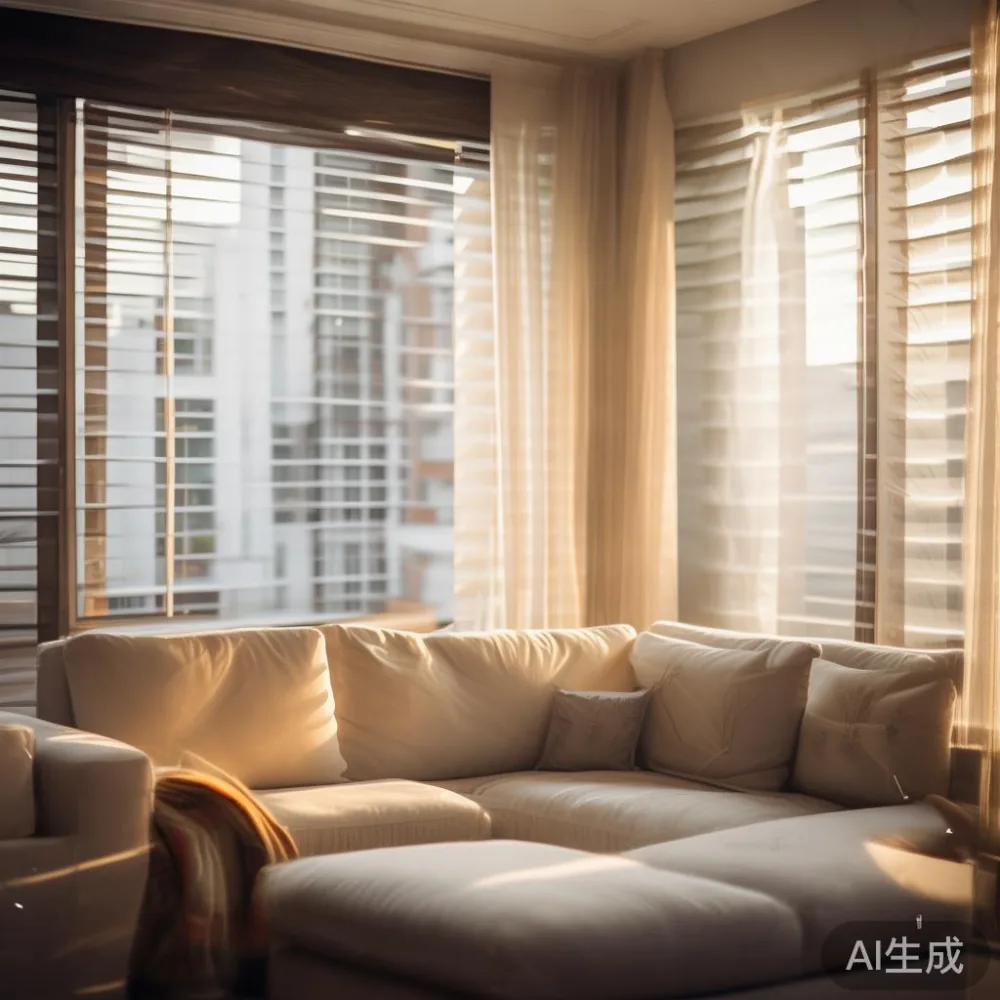
This is a common question, and the answer is a firm no, or at least a very cautious yes. Placing a lacquered sectional sofa directly in the path of direct sunlight is one of the fastest ways to damage it. The intense UV radiation will cause the lacquer to oxidize and fade, a process that can begin to show noticeable discolouration within 6 to 12 months. The finish may turn a milky white or a dull yellow, losing its original lustre. Also, the sun's heat can create hot spots on the furniture, causing the lacquer to expand and contract at different rates, which can lead to cracking. If you must place your sofa near a window, choose one that gets indirect light and ensure it is fitted with high-quality UV-blocking window film, which can block up to 99% of harmful UV rays. For example, a good quality film for a large window in a Bedok condominium might cost around SGD 450 to 650 for professional installation, but it will protect your furniture and your flooring.
Preventing Damage: Humidity Control and Placement
Controlling the environment around your furniture is just as important as the cleaning routine itself. In Singapore, where natural humidity is high, using a dehumidifier is a wise investment. Running a dehumidifier in the same room as your lacquered furniture, especially during the rainy season from November to January, can help maintain a healthier humidity level of around 45-55%. This prevents the wood and lacquer from absorbing excess moisture. Placement within the room is also key. Avoid placing your sofa against an external wall, as these walls tend to be cooler and can accumulate more condensation. Also, be mindful of placing it directly under or near an air-conditioning vent. The cold, dry air blowing directly onto the lacquer can cause it to become brittle over time. A distance of at least 50 cm from the vent is recommended. For those living in newer Punggol flats with open-concept layouts, this means carefully planning the living room arrangement to create a micro-climate around valuable furniture pieces.
Dealing with Spills and Stains Immediately
Accidents happen, but how you respond can determine whether your furniture is permanently damaged. The golden rule for any spill on a lacquered surface is to act immediately. Do not let the liquid sit. Grab a soft, absorbent cloth and gently blot the spill. Do not rub, as rubbing can spread the stain and push the liquid into the wood grain or an existing microscopic crack. For water spills, blotting is usually sufficient. For sticky substances like juice or wine, you may need to use a slightly damp cloth with a mild soap solution, followed immediately by a thorough buffing with a dry cloth. For stubborn stains, it is always best to consult a professional furniture restoration service. Attempting to use strong chemicals or abrasive pads will almost certainly ruin the finish. A professional restoration for a large piece like a sectional sofa can cost upwards of SGD 800, but it is a fraction of the cost of replacing the entire item.
When is Professional Refinishing Necessary?
Even with the best care, a lacquered finish will eventually show signs of wear. Over 5 to 10 years, the high-gloss shine may dull, or you might notice fine scratches that cannot be buffed out. This is where a professional refinishing service becomes necessary. A skilled technician can strip the old lacquer, repair any minor damage to the wood underneath, and apply a new, flawless finish. For a high-quality solid wood sofa, this process can restore the piece to its original condition, in effect giving it a new life. When choosing a service, ensure they have experience with lacquered and light luxury furniture. The cost for refinishing a standard 3-seater sofa can range from SGD 1,200 to SGD 2,500, depending on the complexity of the work and the quality of the new lacquer applied. Many reputable brands, including those offering designer Modern light luxury furniture, offer lifetime refinishing warranties, making this a long-term investment in preserving your home's aesthetic.
What About Other Lacquered Furniture in My Home?
The principles of care for a lacquered sectional sofa apply equally to other lacquered pieces. A lacquered marble dining table, for example, requires the same gentle, pH-neutral cleaning to protect both the wood frame and the marble top. A lacquered wardrobe needs to be kept away from steamy areas like the bathroom entrance to prevent moisture damage. When shopping for new furniture, it's worth considering the climate. A question like 'is Japanese bed worth it' might lead you to discover platform beds with simpler, more durable finishes that are less susceptible to humidity issues. Similarly, if you are searching for 'where to buy wardrobe from MIDHILL', you will find options that combine beautiful design with practical, climate-conscious construction. The key is to look for quality craftsmanship and a finish that is designed to last in the conditions of your home, whether it's a compact HDB flat or a spacious condo.
To close, caring for lacquered furniture in Singapore is about understanding your environment and adopting a consistent, gentle maintenance routine. It’s a small price to pay for the enduring beauty and sophistication that a well-cared-for piece brings to your home. By controlling humidity, cleaning correctly, and protecting your furniture from the sun, you can ensure that your investment remains as stunning as the day you bought it.