Preserving the Sheen: A Guide to Caring for Lacquered Furniture in Singapore's Tropical Climate
Living in Singapore, with its consistently high humidity and temperatures between 25°C and 33°C, presents a unique set of challenges for homeowners. The air in our HDB flats in Tampines or condos in Punggol holds a significant amount of moisture, which can affect everything from our electronics to our personal belongings. One of the most sensitive items in a home is fine furniture, particularly pieces with a beautiful lacquered finish. A solid wood sofa with a deep, reflective lacquer can be the centerpiece of a living room, but its pristine appearance requires specific care to withstand the local environment. This guide will walk you through practical, effective methods to maintain the luster of your lacquered furniture, ensuring it remains a stunning feature in your home for years to come.
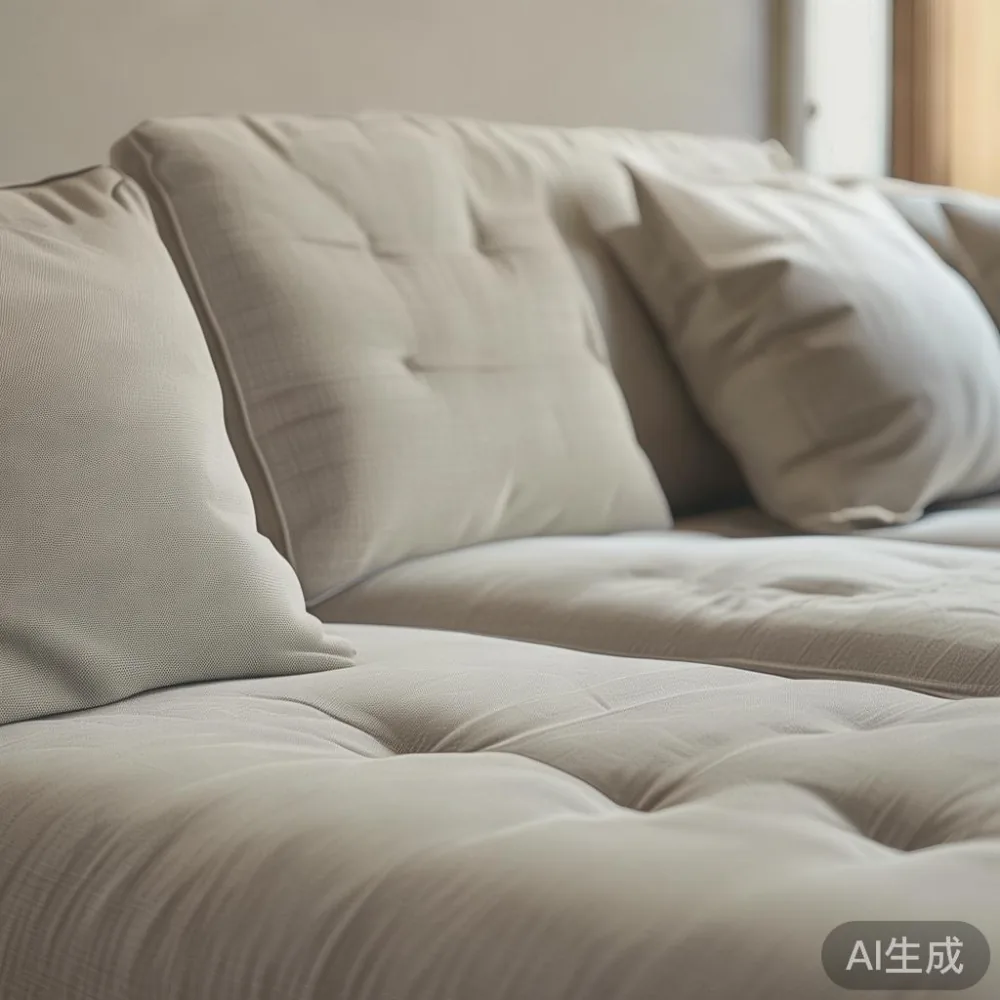
Why Lacquered Surfaces Need Special Attention in a Tropical Climate?
A lacquer finish is a high-gloss, durable coating applied over wood to create a smooth, hard, and highly reflective surface. While it provides excellent protection against minor scratches and spills, its biggest enemy is moisture. Singapore's average relative humidity hovers around 80%, creating a constant dampness that can seep into the wood layers beneath the lacquer. This moisture can cause the wood to expand and contract over time, leading to a phenomenon known as 'blushing' or 'bloom'—a cloudy, white haze that appears on the surface. For a homeowner in Bedok who has just invested in a new sectional sofa, seeing this haze develop can be alarming. The constant temperature fluctuations from air-conditioned rooms to the humid outdoors can also stress the finish, making it more susceptible to cracking or peeling if not properly maintained.
What You'll Need: A Practical Checklist for Lacquer Care
Before you begin the cleaning process, it's important to assemble the right tools. Using incorrect products can do more harm than good. For a 220cm long lacquered dining table, you will need a soft, lint-free microfiber cloth, preferably one with a tight weave. A second, clean cloth for drying is also necessary. For cleaning, a pH-neutral, non-abrasive wood cleaner is ideal. You can find these at most home furnishing stores in Singapore for around SGD 25 to SGD 40 per 500ml bottle. Avoid all-purpose household cleaners, as their harsh chemicals can strip the lacquer. For stubborn spots, a mixture of 1 part white vinegar to 10 parts distilled water can be effective, but it must be applied with extreme caution. Finally, have a good quality furniture polish or paste wax on hand for periodic maintenance. A 250g tin of premium polish can cost between SGD 60 and SGD 100, but it provides a protective layer that helps repel moisture and dust.
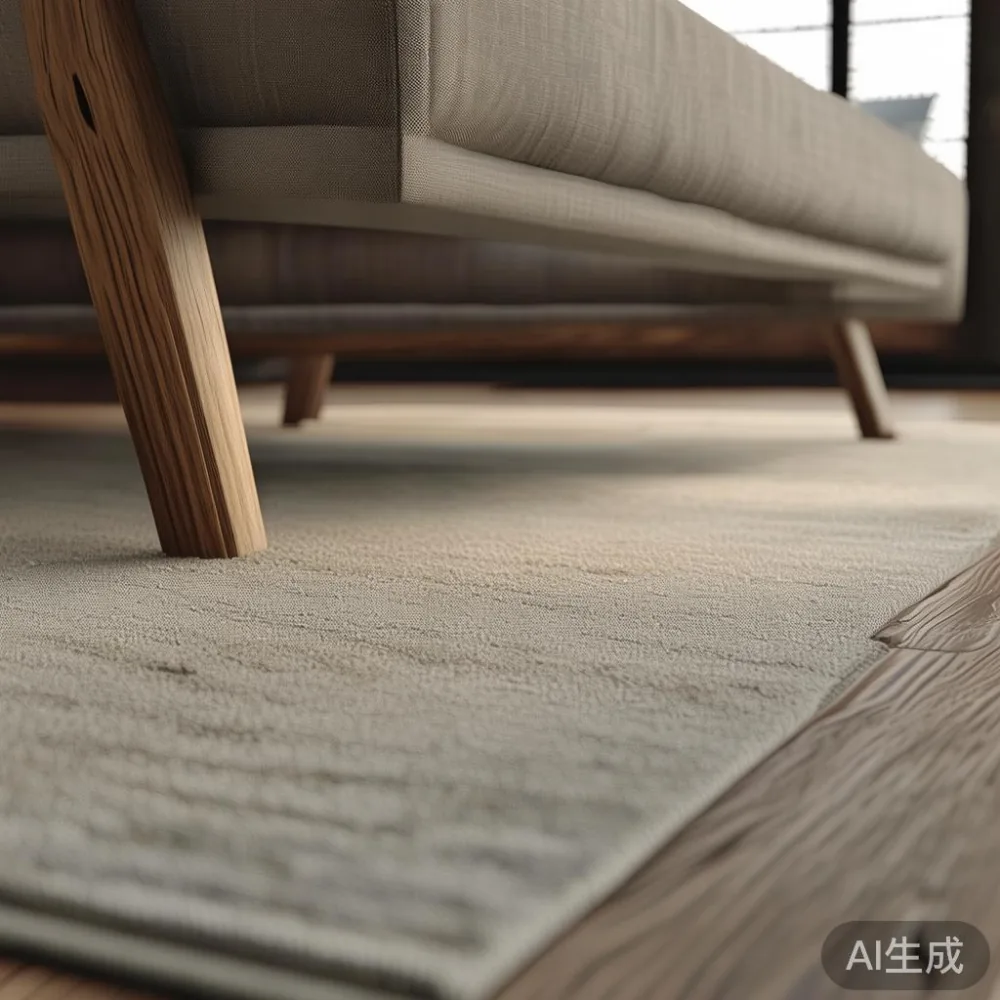
Step-by-Step Cleaning and Maintenance Routine
Establishing a regular cleaning routine is the best defense against the humid Singapore climate. Dust your lacquered surfaces at least once a week using your microfiber cloth. Dust particles, when combined with moisture, can act like a fine abrasive, scratching the surface over time. For a thorough cleaning, lightly dampen your cloth with the pH-neutral cleaner. Wipe the surface in a gentle, circular motion, working from one end to the other. For example, when cleaning a 280cm sectional sofa, start at one end and methodically work your way across the entire piece. Never spray the cleaner directly onto the furniture; always apply it to the cloth first. After wiping, immediately use the dry microfiber cloth to buff the surface to a brilliant shine. This removes any residual moisture and prevents water spots from forming. For a nightstand or smaller piece, this entire process should take no more than 5 minutes.
Preventing Damage: Placement and Environmental Control
Where you place your lacquered furniture is just as important as how you clean it. Avoid positioning a solid wood bed frame or a marble table directly in front of an air-conditioning vent. The constant, direct blast of cold, dry air can cause the lacquer to become brittle. Similarly, keep your furniture away from windows that receive direct afternoon sun, as UV rays can fade and discolor the finish over time. In a condo in Punggol, where large windows are common, using UV-blocking curtains or blinds is a wise investment. For those living in HDBs, be mindful of placing furniture near balcony doors. The humidity that drifts in can affect the finish. If possible, use a dehumidifier in the room, especially during the monsoon season when humidity levels can spike to over 90%. Running a dehumidifier for a few hours a day can significantly reduce the ambient moisture, protecting your valuable pieces.
Dealing with Spills and Stains Immediately
Accidents happen, but how you respond can make all the difference. A spilled glass of water or a drop of coffee on your lacquered dining table must be addressed immediately. Grab a soft, dry cloth and blot the spill gently. Do not rub, as this can spread the liquid and push it into the wood's pores. For water spots, which can be a common issue in humid climates, you may need to apply a small amount of paste wax. Rub a tiny amount onto the spot with a clean cloth using a circular motion, then buff it out. For tougher stains like wine or oil, the vinegar solution can be used. Dampen a corner of your cloth with the mixture, blot the stain, and then immediately follow up with a dry cloth. Remember, the key is speed and gentleness. The longer a liquid sits on the surface, the greater the chance of it penetrating the lacquer and causing permanent damage.
Is Professional Polishing or Refinishing Ever Necessary for Lacquered Furniture?
While regular home maintenance can keep your furniture looking great, there may come a time when you need to call in a professional. If your lacquered surface has deep scratches, significant cloudiness, or peeling, a simple clean and wax may not be enough. Professional furniture restorers have the tools and expertise to sand down the damaged layer and reapply a new lacquer finish. This process can be expensive, often costing several hundred dollars depending on the size and complexity of the piece. However, many reputable brands, like a company established in Foshan Lingzhan in 2008, offer a lifetime refinishing warranty. This means if the lacquer fails due to manufacturing defects, they will refinish it for free. It's always worth checking the warranty terms of your furniture, as it can save you a significant amount of money in the long run.
Styling Your Lacquered Furniture for a Modern Singaporean Home
Caring for your furniture is one thing; styling it is another. A lacquered finish pairs beautifully with various interior design aesthetics. For a post-modern light luxury look, you might place a sleek, high-gloss lacquered console table against a wall with abstract art. The reflective surface adds a touch of glamour without being overly ornate. When considering how to style French bed in apartment settings, a classic lacquered bed frame with curved lines can be the perfect anchor, complemented by soft, neutral bedding and elegant lighting. The key is to balance the high shine of the lacquer with other textures. For instance, a lacquered marble table can be softened with plush, linen placemats and a vase of fresh orchids. This contrast creates a sophisticated and inviting atmosphere, perfect for Singapore's modern homes.
Real Customer Experience: A Test in a Tampines HDB Flat
Last month, I visited a colleague's new home in a Tampines HDB flat to offer some styling advice. She had recently purchased a beautiful American light luxury sectional sofa with a deep black lacquer finish. The sofa was a statement piece, but she was worried about how it would hold up in her ground-floor unit, which she described as feeling perpetually damp. She had already noticed some faint, white marks appearing on the arms of the sofa. We immediately suspected moisture blushing. I advised her to stop using a generic furniture spray she had bought, as it contained silicone that could trap moisture. Instead, we cleaned the entire piece with a pH-neutral cleaner and a microfiber cloth. We then placed a small dehumidifier in the living room and made sure to run it for at least 4 hours every day. Within two weeks, the white marks had completely disappeared. Her experience is a common one, and it highlights the importance of using the right products and controlling the environment to protect your investment.
Common Mistakes to Avoid When Caring for Lacquered Surfaces
Even with the best intentions, it's easy to make mistakes that can damage your lacquered furniture. One of the most common errors is using a dry cloth for dusting. A dry cloth can create static, which attracts more dust and can cause fine scratches over time. Always use a slightly damp microfiber cloth for dusting in our humid climate. Another mistake is placing hot items directly on the surface. A hot mug from the kitchen can leave a white heat ring on a lacquered table. Always use a coaster. Many people also make the mistake of using olive oil or other household oils to polish their furniture. This is a definite no-no. Oil will not cure and will remain sticky, attracting dust and grime, and can eventually turn rancid. Stick to products specifically designed for lacquered or high-gloss finishes. Finally, never move your furniture by dragging it. The weight of a solid wood dining table can be over 50kg, and dragging it across the floor will scratch both the floor and the furniture's legs. Always lift it with the help of another person.
Long-Term Care and Warranty Considerations
Investing in quality furniture is a long-term commitment, and understanding the warranty is part of that commitment. A reputable manufacturer will stand by their product. For example, a company that exports to 15+ countries might offer a 10-year structural warranty. This means that if the frame of your sectional sofa were to break or warp due to a defect within that decade, they would replace it. This kind of warranty gives you peace of mind. Beyond the warranty, long-term care is about consistency. Stick to your weekly dusting and monthly cleaning routine. Be mindful of your home's environment. If you live in an older apartment building in Bedok with poor ventilation, you may need to be more vigilant than someone in a newer, well-ventilated condo. Remember, proper care isn't just about preserving the appearance; it's about protecting the value of your furniture. A well-maintained piece can last for decades, becoming a cherished part of your home's history.
How to Style a Japanese Sofa in an Apartment with Limited Space?
Living in Singapore often means dealing with limited space, especially in apartments. A Japanese sofa, with its low-profile, minimalist design, is an excellent choice for creating a sense of space. To style it effectively, choose a sectional sofa in a neutral color like beige, light grey, or white to make the room feel larger and brighter. Complement it with a low, lacquered coffee table to maintain the clean lines. The key is to keep the area uncluttered. Use storage ottomans that can double as seating to hide away blankets and magazines. In a small living room, every piece should have a purpose. This approach aligns with the principles of Modern light luxury for office spaces, where functionality and aesthetic are perfectly balanced. By choosing furniture that is both beautiful and space-efficient, you can create a stylish and comfortable home, even in a compact Singaporean apartment.