Solid Wood Furniture: Understanding the Price Factor
For many homeowners in Singapore, particularly those working through the tight corridors of a Tampines HDB flat or the open-plan layouts of a Punggol condo, the decision to invest in solid wood furniture is significant. It's not just about aesthetics; it's about longevity, value, and creating a home that feels both substantial and sophisticated. A quick search online reveals a vast price range, from a modest SGD 800 for a small wooden table to over SGD 10,000 for a large sectional sofa. This disparity can be confusing. What makes one piece of furniture command a price five times higher than another? The answer isn't a single factor but a complex interplay of material quality, construction, design, and logistics.
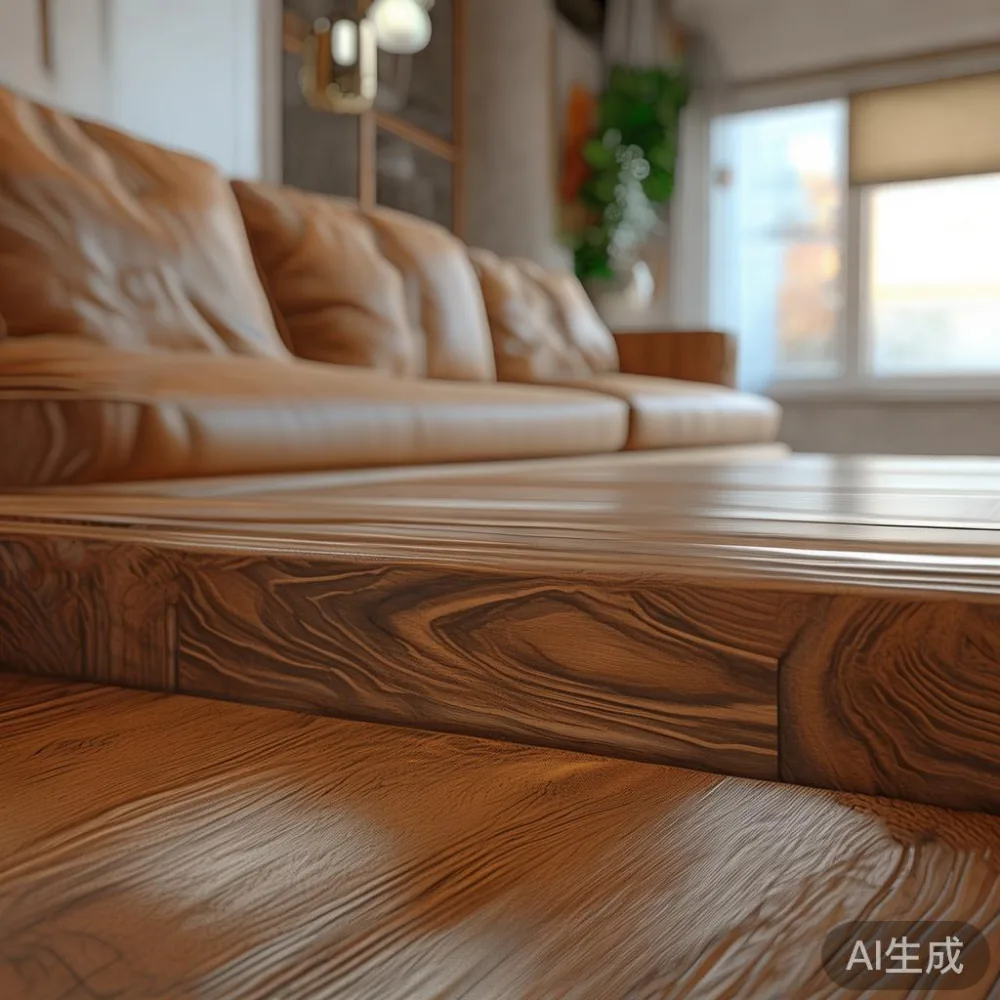
Why Does a Solid Wood Sofa Cost So Much More Than a Veneer One?
The most fundamental reason for price differences lies in the raw material itself. Solid wood furniture is crafted from a single, solid piece of timber, from frame to surface. This is in stark contrast to veneer furniture, which uses a thin layer of real wood glued over a substrate like MDF or particleboard. The cost of the timber is the first major variable. A solid oak dining table, for instance, requires a large, high-quality oak plank free of major knots and imperfections. A similar-sized table made with oak veneer requires only a small amount of oak for the surface layer, with the bulk of the material being a much cheaper engineered wood.
Also, the type of wood dramatically impacts the price. Solid wood furniture is often categorized into hardwoods and softwoods. Hardwoods, such as oak, walnut, and ash, come from deciduous trees and are denser, more durable, and more expensive. Softwoods, like pine and cedar, are generally less costly. For a light luxury aesthetic, American bed frames or dining tables often favour walnut or cherry for their rich, warm colours and fine grain, while a more rustic post-modern light luxury design might use oak for its prominent grain patterns. The sourcing and sustainability of these woods also play a role, with certified or responsibly sourced timber sometimes carrying a premium.
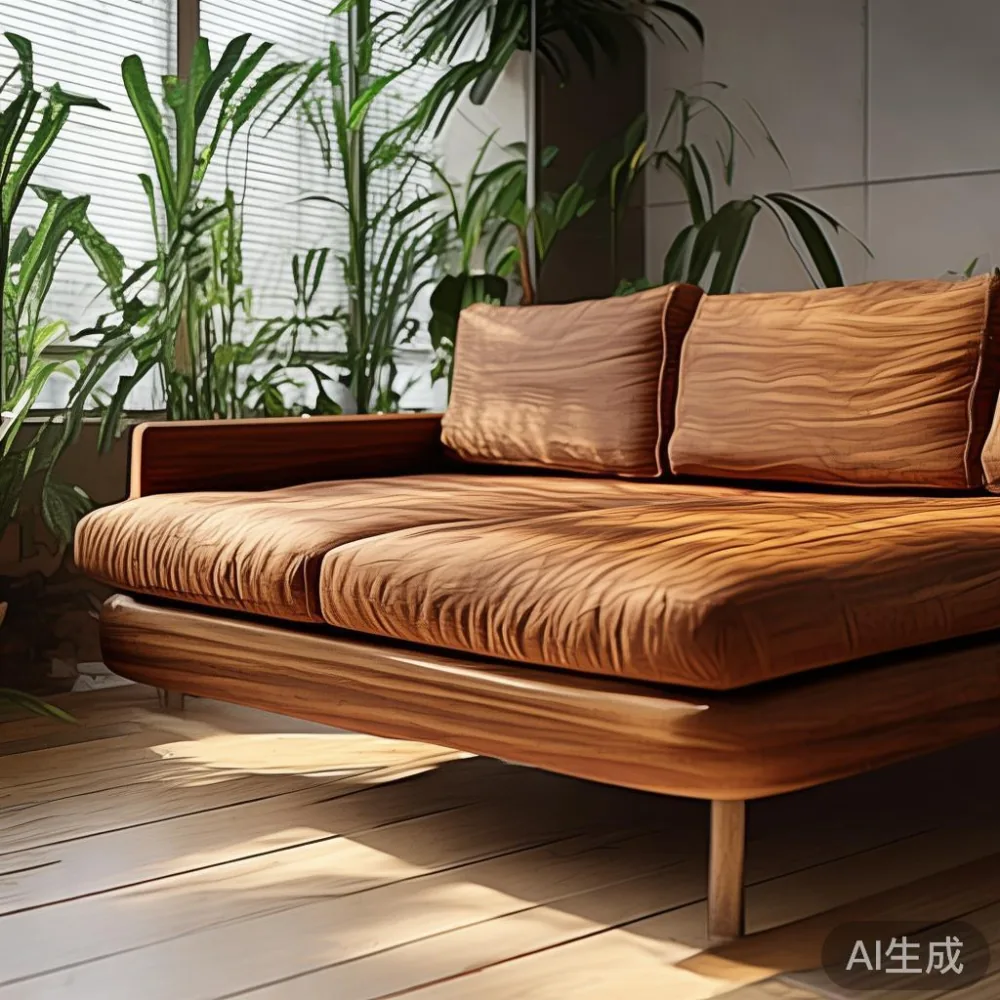
Is the Construction of Your Sectional Sofa Hiding a Secret?
If the wood is the body of the furniture, the construction is its skeleton. The way a piece is assembled is a critical determinant of its price, durability, and quality. A well-made sectional sofa or bed frame will feature joinery techniques that have been used for centuries, designed to last for generations. Look for terms like dovetail joints, mortise and tenon, and dowel construction. These methods create strong, interlocking connections that can withstand stress and movement, preventing the furniture from wobbling or falling apart over time.
In contrast, cheaper furniture often relies on staples, nails, and glue. While these can hold a piece together initially, they are far less durable. A wardrobe constructed with simple butt joints and staples may start to rattle and loosen after a few years of regular use. The internal frame of a sectional sofa is another area to scrutinize. A high-quality piece will use a solid wood frame, whereas a lower-cost alternative might use a flimsier MDF frame or even plastic components. The support system for seating and mattresses is equally important. A solid wood bed frame with a series of closely spaced wooden slats provides superior support compared to a frame with a few thin metal bars. My colleague, Sarah, who recently moved into a new Bedok condo, learned this the hard way. She bought a budget-friendly wardrobe that looked great, but after six months, the back panel began to bow and the drawers started to stick. She later discovered the internal structure was made of cheap particleboard, a common cost-cutting measure that compromises the furniture's integrity.

How Does Design and Finish Translate into Singapore Dollars?
The design of a piece, from its silhouette to its finish, adds significant value. A simple, minimalist design might seem less expensive, but the devil is in the details. Consider a light luxury dining table. The price is influenced by the complexity of the legs, the thickness of the tabletop, and the precision of the edges. A table with chunky, turned legs and a thick, solid top will naturally cost more than a table with slim, tapered legs and a thinner profile.
Finishing is another major cost factor. The process of sanding, staining, and applying a protective finish is labour-intensive. A high-quality, multi-step hand-rubbed finish that brings out the natural beauty of the wood is far more expensive than a simple, sprayed-on lacquer. The finish also affects the durability. A premium finish will protect the wood from scratches, moisture, and UV rays, ensuring the piece looks beautiful for years. For a marble table, the cost is driven not just by the wood base but by the quality, thickness, and sourcing of the marble slab itself. Similarly, a European light luxury dressing table with intricate carvings or inlays will command a higher price than a simpler, more functional design. The price also reflects the brand's design philosophy. A post-modern light luxury sectional sofa, for example, might feature unique shapes and unconventional materials, which require more complex manufacturing processes and thus increase the final cost.
What About the True Cost of Delivery and Assembly in Singapore?
Many consumers focus on the sticker price of the furniture but overlook the significant costs associated with getting it into their home and assembled, especially in a dense urban environment like Singapore. For a large sectional sofa, this can be a substantial part of the total expense. The cost includes logistics, labour, and potential customisation.
Logistics involve transporting the furniture from the factory, likely in Foshan, to Singapore. This includes shipping, customs duties, and local warehousing. For a heavy item like a solid wood wardrobe, the shipping cost alone can run into hundreds of SGD. Once the furniture arrives in Singapore, there's the matter of delivery and installation. Will the delivery team just drop the box at your door, or will they bring it into your living room? Will they assemble it for you? These services add to the cost. In Singapore, working through HDB corridors and lift access is a key consideration. A sectional sofa that is 280 cm long may not fit in a standard lift, requiring special arrangements and potentially additional manpower. This is a practical challenge that furniture companies must account for in their pricing. Some brands offer free shipping for orders over a certain value, such as SGD 350, which can be a significant saving. A 10-year structural warranty and a lifetime refinishing policy, like those offered by some established makers, also represent a value that is factored into the initial price, providing peace of mind that cheaper options cannot match.
Why Does a 'Best Industrial Wardrobe for 2026' Cost More Than a Basic One?
When you see a price tag, you are not just paying for the physical product; you are paying for the brand's reputation, the quality of its materials, the skill of its artisans, and the assurance of its service. A brand that has been established since 2008, like MIDHILL, has spent over a decade perfecting its craft and building trust with customers in 15+ countries. This experience translates into consistent quality and reliable customer support.
A 'best Industrial wardrobe for 2026' might cost more because it uses thicker, more durable metal hardware combined with solid wood panels, whereas a basic wardrobe might use thin, hollow metal tubes and MDF. The price reflects the superior materials and construction. The question 'is light luxury sofa worth it?' can be answered by looking at the total cost of ownership. A higher-quality sofa will not need to be replaced in 5-7 years. Its cushions will retain their shape, its frame will not squeak, and its upholstery will resist wear and tear. This longevity makes it a more economical choice in the long run, even if the initial investment is higher. The value is also in the design. A sofa that complements your home's aesthetic and provides the comfort you need is an investment in your daily living experience. When you compare an American bed vs Modern bed, the price difference often comes down to the materials used. An American bed might feature solid wood construction with a more traditional, ornate design, while a Modern bed might use metal or a combination of materials with a minimalist look. Both can be high-quality, but they cater to different tastes and budgets. The same logic applies to all furniture; the price is a reflection of the choices made at every step of its creation, from the forest to your living room.