Veneer or Solid Wood? A 5-Year Cost Comparison for Sectional Sofas in Singapore
A sectional sofa can look expensive on a showroom day and still become a poor long-term purchase. The label may reveal little about how the frame ages, whether the surface can be repaired, or how many times the sofa must be moved through a lift and corridor. In Singapore, those practical questions matter alongside appearance and price.
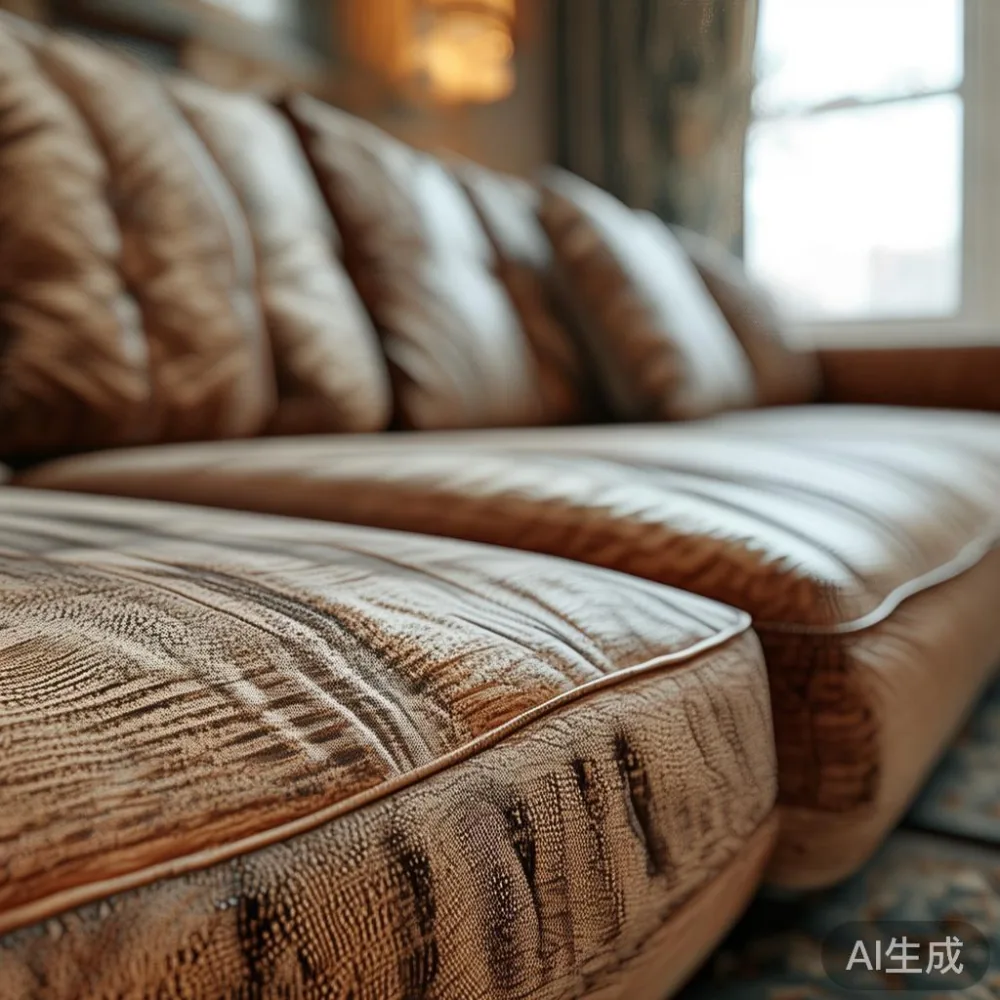
This comparison covers 5 years of ownership for a 3-seat sectional sofa with a right-hand chaise, including purchase, delivery, maintenance, repair, and replacement costs. It also considers the smaller furniture pieces that often share the same material decision: a solid wood sofa, bed frame, dining table, wardrobe, nightstand, or marble table. The figures are planning estimates in Singapore dollars, including GST where indicated, rather than quotations for a specific apartment.
What does veneer actually mean on a sectional sofa?
Veneer is a thin layer of timber, commonly 0.6 mm to 1.2 mm, bonded to a panel or substrate. It can provide convincing grain and colour at a lower cost than solid timber. A high-grade decorative veneer may be sliced from a larger tree, while a printed or machine-embossed surface is less costly and less suitable for demanding repair work.
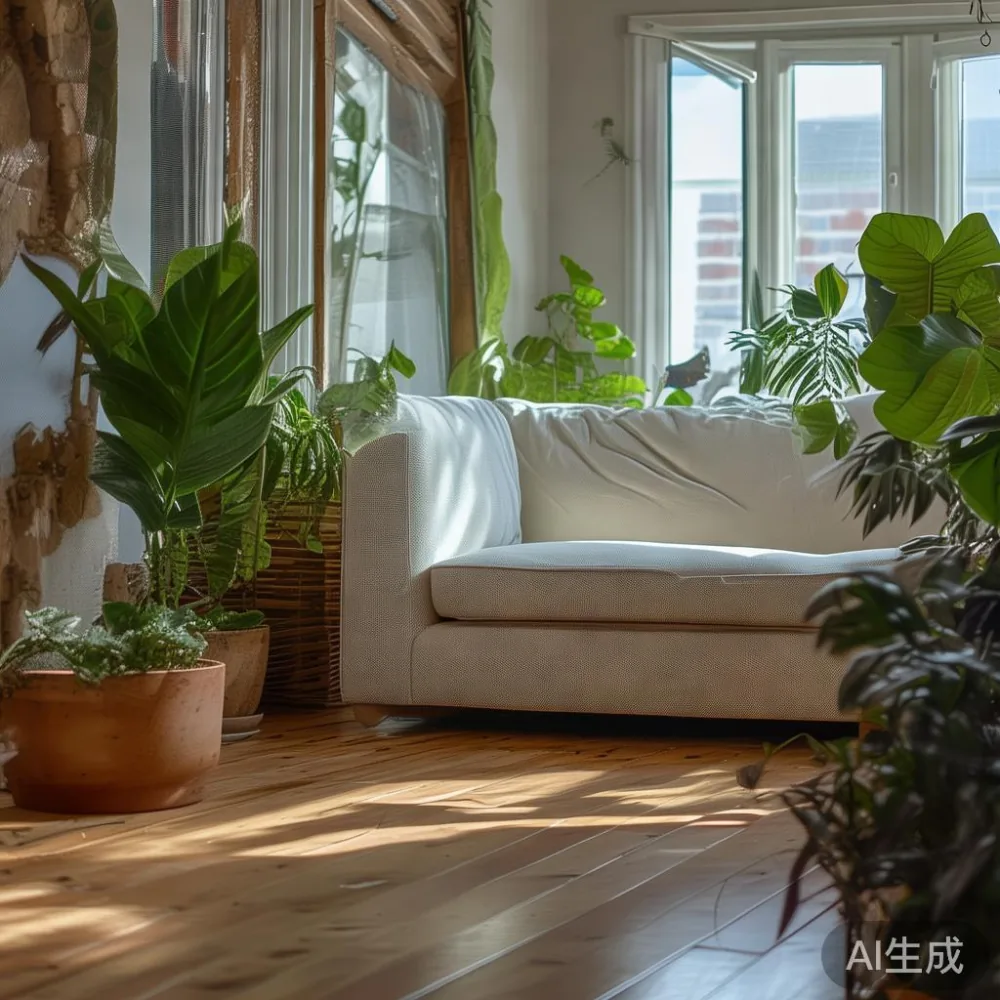
Solid wood uses the timber itself through the visible section. The important issue is not merely whether a frame contains wood; many upholstered frames combine solid timber rails, plywood, metal springs, foam, and fabric. For this comparison, “solid wood” refers to the visible shell and structural timber in the sectional sofa, with a realistic mixed construction rather than an all-wood claim.
For Singapore homes, the external dimensions matter before the material does. A common 220 cm-wide sectional sofa may have to turn through a 90 cm doorway, fit into a lift with a 110 cm internal width, and travel along a condo corridor. A larger 240 cm sectional can require a 140 cm door opening or careful diagonal positioning. The chaise may project 160 cm to 175 cm, while seat depth ranges from 55 cm to 65 cm. These measurements should be confirmed against the actual apartment, not a showroom floor plan.
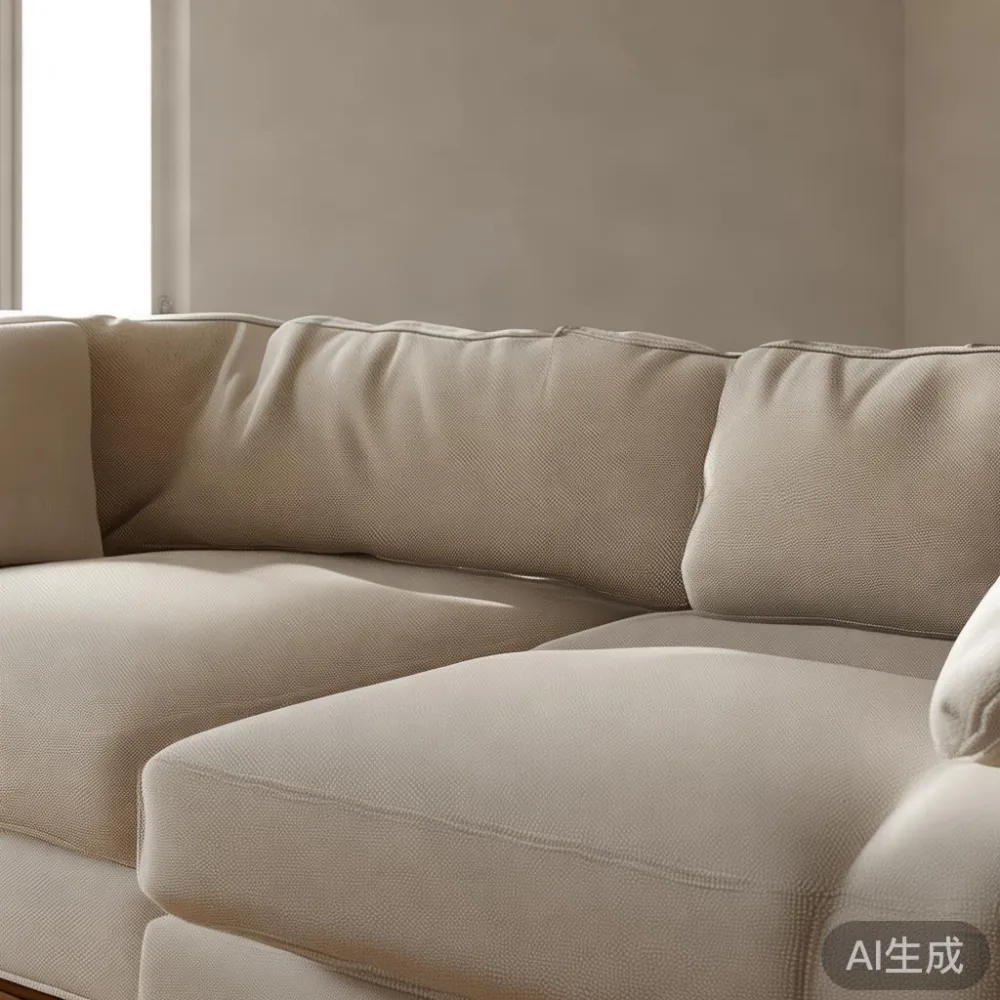
The lift is only one obstacle. Residents of older HDB flats in Tampines, Bedok, and Punggol often have narrower corridors, whereas newer condos may include private lift lobbies. A sofa with separate modules may be easier to carry but more likely to develop alignment gaps. A one-piece frame may enter more easily but weigh 85 kg to 135 kg, compared with approximately 60 kg to 105 kg for a modular sectional.
How much do veneer and solid wood sectionals cost over 5 years?
The following model uses a realistic Singapore purchase price for a 3-seat sectional sofa with a chaise, delivered within the island. It includes 9% GST and assumes no lift surcharge. Prices vary with fabric, cushion density, timber species, and design.
| Cost item | Veneer sectional | Solid wood sectional |
|---|---|---|
| Retail price before delivery | SGD 2,100 | SGD 3,450 |
| 9% GST | SGD 189 | SGD 311 |
| Expected delivery and installation | SGD 120 | SGD 180 |
| 5 years of routine care | SGD 180 | SGD 140 |
| Expected repairs and refinishing | SGD 640 | SGD 260 |
| Expected residual value | SGD 210 | SGD 690 |
Subtracting the estimated resale value gives a practical 5-year ownership figure of approximately SGD 3,019 for the veneer sectional and SGD 3,541 for the solid wood version. The solid wood example starts at SGD 1,350 more, but avoids about SGD 380 in expected repairs and retains approximately SGD 480 more value.
That does not automatically make every solid wood sectional the stronger purchase. If the veneer panel is already lifting, the substrate is swollen, or the supplier cannot explain the adhesive and core, a low retail price offers poor economy. Conversely, if the solid wood sofa has kiln-dried frames, concealed dowels, and a repairable finish, the higher entry price can be reasonable over 5 years.
Delivery timing also affects the calculation. A stock or locally produced piece may arrive in 3 to 7 days, while a made-to-order solid wood sectional may take 8 to 12 weeks. Deposits and delayed replacement can create carrying costs that are not visible in the showroom price. A 10% deposit equals SGD 210 on a SGD 2,100 sofa and SGD 345 on a SGD 3,450 sofa.
Which material needs less maintenance in a humid Singapore home?
Humidity is the central maintenance issue. Singapore’s outdoor relative humidity often reaches 80% to 90%, while air-conditioned rooms may remain between 50% and 65%. Wood should not be treated as immune to movement; it responds gradually to changes in moisture. Veneer can edge-band, blister, or separate if moisture reaches the adhesive line. Solid wood can check, crack, or warp when repeated wetting and drying are severe.
For a veneer sectional, dust the surface every 1 to 2 weeks with a dry microfibre cloth. Keep it at least 30 cm from an open balcony door and use a dehumidifier if the living room remains above 70% relative humidity for long periods. A damp wipe should be avoided because water can travel beneath the veneer. If an edge lifts, have it assessed early; a local repair may cost SGD 180 to SGD 420 depending on panel access.
A solid wood sectional should be wiped every 1 to 2 weeks and checked for finish wear every 6 months. Re-oil or re-wax may be needed every 18 to 24 months, with a professional touch-up costing roughly SGD 250 to SGD 500. Scratches can often be blended rather than replaced. The benefit is not that solid wood requires no care, but that damaged surface layers can be renewed.
Upholstery creates the larger routine expense. A removable seat cover can cost SGD 120 to SGD 280 to replace or clean, while a full cushion set may cost SGD 600 to SGD 1,100. Many buyers in HDB flats choose a washable, tightly woven fabric because pets, children, and frequent meals turn upholstery maintenance into a regular cost.
Are there hidden costs when moving a sectional sofa?
There are, especially for HDB flats and older condos. A lift surcharge may add SGD 80 to SGD 250. A second-floor walk-up may add SGD 100 to SGD 300, while an overly wide module can require a window hoist at SGD 350 to SGD 700. If the sectional must be returned within a 14-day return period, the same delivery charge may apply again.
Measure the lift door, lift car, landing, corridor, and internal doorway. Add a clearance margin of at least 10 cm at the tightest point. The sofa’s longest rigid module should not exceed the lift car’s usable diagonal by more than a few centimetres. Modular sections weighing 20 kg to 35 kg each are more manageable, yet two installers may still be needed.
Solid timber is heavier, so moving costs can be SGD 60 to SGD 170 higher per delivery. That amount is small compared with frame failure, but it matters when choosing between 4 modules and 2 modules. A buyer who expects to move in 2027, 2029, and 2031 should include 3 moves in the 5-year budget rather than assuming the sectional will stay in one corner.
New delivery is also an opportunity to check the package on arrival. Photograph the sofa from 6 angles within 10 minutes. Record dents, veneer bubbles, frame movement, and uneven legs. This inspection becomes useful if a later repair is disputed.
How do design styles affect the 5-year decision?
Material and style interact because some details are easier to repair than others. A French light luxury sectional with carved edges, layered upholstery, and a pale finish may use veneer to achieve visual continuity. The risk is concentrated in exposed edges and projecting carvings. An American light luxury sectional often uses substantial timber rails and broad arms, which can give solid wood a more convincing structural role.
Post-modern light luxury can work well with either material if the joints, grain variation, and finish are intentional. Concealed fixings suit a modular sectional; exposed dowels or pegs can make future movement easier to inspect. The buyer should not choose a complicated silhouette merely to disguise a weak panel construction.
Other rooms offer useful comparisons. For a bed frame, veneer may be acceptable on a broad headboard panel, while visible side rails and legs benefit from solid timber. For a dining table, water rings and heat marks make the finish quality more important than the veneer-versus-solid label. A wardrobe relies on panel stability and hardware alignment, while a nightstand is small enough that solid wood repair may be economically simple.
Marble table surfaces are different from timber: a marble table needs careful sealing, neutral support, and professional handling because the stone can crack. It should not be used to claim that solid wood is automatically more durable in every furniture category.
What if I want to compare the whole room rather than one sofa?
A sectional sofa often sets the room’s material language. A solid wood frame can be paired with a solid wood dining table, but matching grain is not necessary. A veneer dining table can use a timber edge and high-quality hardware. Consistency should come from proportion, finish, and colour rather than pretending every surface came from the same board.
Those searching for Mid-century modern for dining room layouts should compare the footprint before the species. A 180 cm table needs about 75 cm of circulation space on a busy side and 90 cm on a serving side. A tapered-leg design can lighten a compact dining zone, while a thick pedestal base may make a 160 cm round table more efficient in a Punggol condo.
Bedroom planning raises another question: Japanese bed vs French provincial bed styles. A Japanese bed may use a low platform with clean lines, while a French provincial bed introduces carved rails and a taller headboard. Those carvings create more exposed edges, making finish quality and repair access important. A useful guide to how to style European light luxury bed in room layouts focuses on wall spacing, bedside clearances of 55 cm to 70 cm, and restrained lighting rather than adding more ornament.
For storage, the question of whether an Italian light luxury wardrobe is worth it depends on interior fittings, hinge quality, moisture resistance, and panel movement. A visually impressive wardrobe with misaligned doors can be harder to live with than a simpler model with adjustable shelving. A nightstand should be checked for drawer action; a solid carcass alone does not guarantee a sound drawer.
Fashion comparisons can also distract from the sofa decision. A guide to French sofa vs Japandi sofa choices highlights low profiles, neutral textiles, and clean silhouettes. Both can use veneer or solid wood. The practical sectional sofa question remains how it fits, how it moves, and what happens when the finish is marked in year 3.
What should I inspect before paying for a solid wood sectional?
Ask for the sectional’s construction details in writing: timber species, frame components, moisture target, joinery, finish type, warranty duration, and repair process. A 10-year structural warranty is more useful when the supplier defines what structural means and offers replacement parts. Cushion density and spring type also affect comfort and resale value, so a timber sample should not be treated as the whole specification.
Inspect the underside and rear access panels. Look for solid timber in load-bearing rails, not only at the front edge. Check whether legs are screwed or glued, and whether a module can be opened without dismantling the frame. For a solid wood sofa, ask how surface scratches will be treated. A supplier offering refinishing over the ownership period can reduce the expected cost of wear.
For veneer, request the core material, veneer thickness, edge-banding method, and warranty for delamination. A 0.6 mm veneer may be perfectly suitable for a stable interior panel; a 1.2 mm veneer can offer more repair resilience. Neither thickness guarantees quality because adhesive, substrate, and moisture control matter.
One real test from my own recent visit was instructive. Last month I visited a family’s Tampines HDB flat and inspected a solid wood sectional that had been used for 18 months. Two children had dragged a small stool across one arm, leaving a 9 cm scratch. The mark was not a gap in the timber, and the finish could be blended without replacing the panel. The same family’s previous veneer coffee table had already developed a swollen edge near an open balcony door. The contrast supported a simple rule: use solid wood where impact and exposed edges are common, but control moisture wherever veneer or solid timber is placed.
MIDHILL’s production background is relevant to these checks because a sectional sofa, bed frame, dining table, wardrobe, nightstand, and marble table can all require different moisture and hardware specifications. Its stated 10-year structural warranty and lifetime refinishing policy should be compared with the actual terms, repair scope, and delivery arrangements for the selected piece.
Which option gives Singapore homeowners the better 5-year result?
The veneer sectional is financially stronger when the piece stays indoors, has simple edges, receives careful cleaning, and the buyer values a lower initial outlay. At a 5-year horizon, the modelled ownership gap is about SGD 522. That gap can narrow if the sofa needs one full reupholstery, an early panel replacement, or 2 extra moves.
The solid wood sectional is more compelling when the frame is exposed, children and pets are common, the sofa will remain for 7 to 10 years, and refinishing is included. In the model, its 5-year cost is higher by about SGD 522, but its projected residual value is approximately SGD 480 higher and repair costs are SGD 380 lower. Those benefits are especially relevant in condos where timber details can influence the room.
A fair purchase decision should be based on landed cost rather than sticker price. Request an itemised quote showing the sectional sofa price, 9% GST, delivery to the specific block, lift access, and installation. Then compare the solid wood version with a veneer version of identical size, cushion specification, fabric grade, and warranty. This removes design and comfort from the comparison.
For most Singapore homes, solid wood is the more resilient choice for a heavily used sectional with visible arms, legs, and edges. Veneer remains a sensible option for controlled interiors, simpler profiles, and shorter ownership periods. The right 5-year choice is not the one with the larger material label; it is the one whose repair cost, fit, and ability to stay with the home are clear before payment.