The True Cost of Craftsmanship: What Actually Drives the Price of Solid Wood Furniture
When you walk into a furniture showroom in Singapore, especially in areas like Tampines or Punggol where new HDB flats and condos are common, the price tags on solid wood pieces can be surprising. A single solid wood sofa might cost SGD 3,500, while a dining table could easily hit SGD 5,000. It’s easy to assume that the price is simply for the wood itself, but the reality is far more complex. The cost of a piece of solid wood furniture is a reflection of its journey—from the forest to your living room—and every step along the way adds to its value. For those living in Singapore’s compact spaces, understanding these factors is key to making an informed decision.
Why Isn't the Price Just About the Wood?
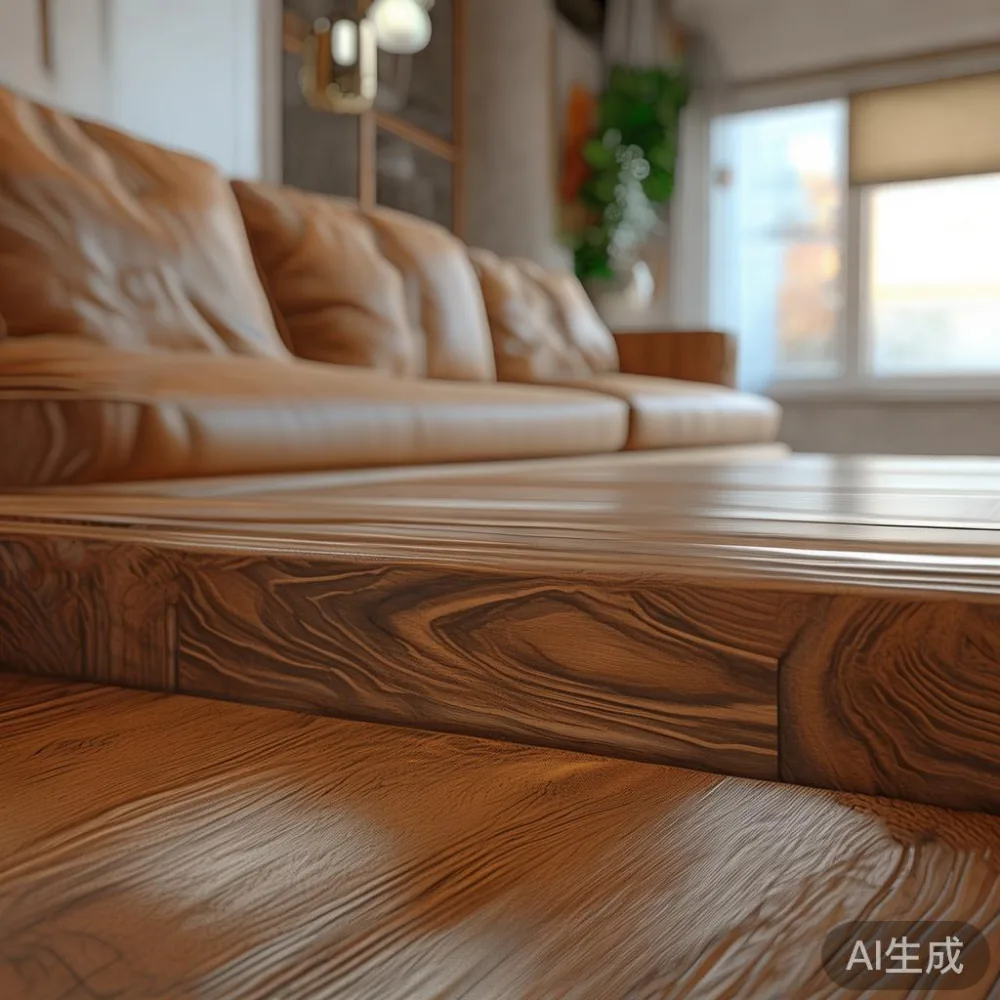
Many people believe the primary cost of a solid wood sofa or dining table is the raw material. While the type of wood is a significant factor, it accounts for only about 30-40% of the total price. The rest is distributed across labour, design, hardware, logistics, and warranty. For example, a solid wood sofa frame made from North American white oak costs more than one made from Malaysian rubberwood, but the oak frame’s price difference isn't just the wood. The oak is denser, weighing around 750 kg per cubic metre, which requires more powerful machinery and more skilled labour to shape. The same applies to a marble table; the slab of marble might be expensive, but the real cost is in cutting it to precise dimensions, polishing it to a mirror finish, and reinforcing the solid wood base to support its weight.
How Do Wood Species and Sourcing Affect the Price?
The choice of wood is the first major determinant of price. Hardwoods like oak, walnut, and ash are more expensive than softwoods like pine or rubberwood. This isn't just about density; it's about durability and appearance. Oak, for instance, has a prominent grain pattern and can last for decades with proper care. A solid wood dining table made from European oak might cost SGD 4,800, while a similar-sized table made from rubberwood could be priced at SGD 2,800. The difference lies in the wood’s origin and scarcity. European oak is often sourced from sustainably managed forests in France or Germany, where regulations are strict, driving up costs. In contrast, rubberwood is a byproduct of the latex industry, making it more abundant and affordable.
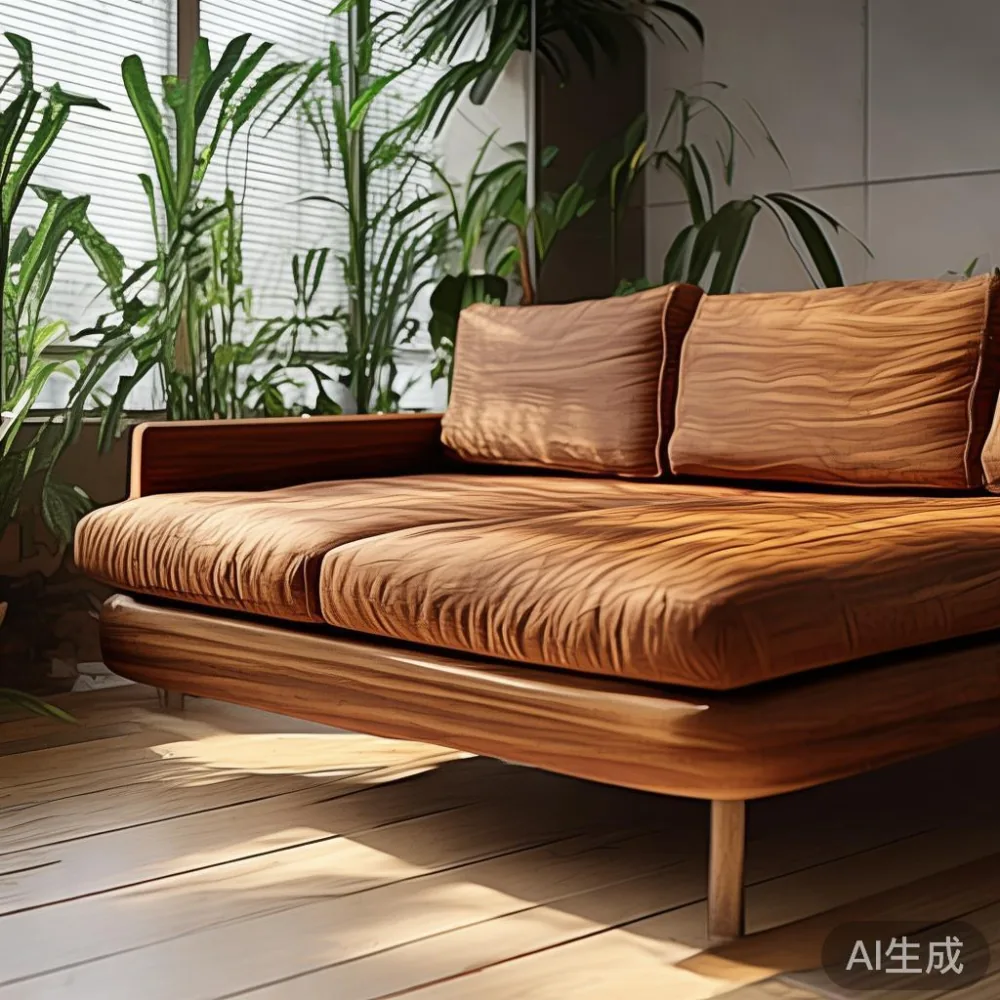
Sourcing also involves transportation. A solid wood wardrobe made from American cherry wood might travel over 15,000 km to reach Singapore, taking 45 days by sea. The shipping cost, combined with import duties and the 9% GST, adds a significant markup. This is why a piece of American light luxury furniture often carries a higher price point than its Asian-made counterparts. The journey of the wood, from the sawmill to the factory and then to your home in Bedok, is a logistical puzzle that affects the final price.
What Role Does Craftsmanship Play in the Final Cost?
Labour is where the real cost of solid wood furniture reveals itself. A handcrafted French light luxury sofa can take up to 120 hours to build, from cutting the frame to hand-stitching the leather upholstery. In contrast, a mass-produced sofa might be assembled in just 8 hours. This difference in time directly impacts the price. Skilled carpenters in Foshan, where many high-end furniture makers are based, earn a premium for their expertise. They use traditional joinery techniques like mortise and tenon, which are stronger than nails or screws, ensuring the sofa frame won’t wobble after a few years of use.
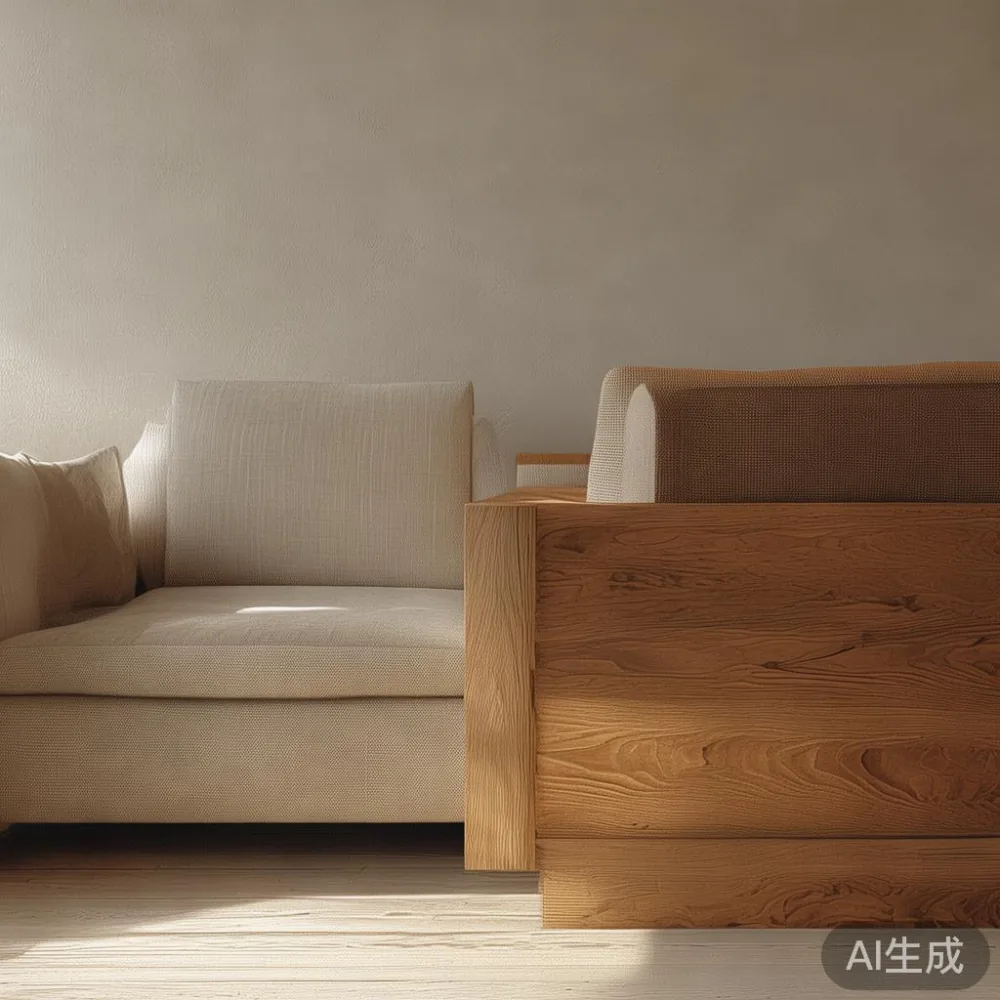
Last month, I visited a factory in Foshan to see how a solid wood sectional sofa is made. The process was meticulous. Each piece of wood was hand-sanded to a smooth 120-grit finish before assembly. The craftsmen then applied three coats of eco-friendly lacquer, allowing each coat to dry for 24 hours. This level of detail is why a well-made sectional sofa can last 20 years or more, while a cheaper alternative might show signs of wear in just 5. The labour cost for this sofa alone accounted for nearly 50% of its total price, a stark reminder that you’re not just buying wood—you’re paying for the hands that shape it.
Are Design and Hardware Really That Important?
Design is another hidden cost factor. A post-modern light luxury sectional sofa with clean lines and minimalist proportions requires precise engineering. The design phase might involve 3D modeling, prototyping, and multiple revisions, all of which take time and resources. For example, a sectional sofa with a chaise lounge must be balanced to avoid tipping, which requires additional structural support. This design complexity can add SGD 800 to SGD 1,200 to the final price.
Hardware, such as hidden drawer slides or reclining mechanisms, also plays a role. A solid wood nightstand with soft-close drawer slides costs more than one with basic metal slides because the soft-close mechanism is imported from Germany or Italy. These components are tested for durability, ensuring they can withstand 100,000 cycles of use. For a dining table, the cost of extending mechanisms (like those in a European light luxury sideboard) can add SGD 600 to the price, but they allow the table to expand from 180 cm to 240 cm, perfect for Singaporean homes where space is limited.
Why Do Delivery and Warranty Affect the Price?
Logistics are often overlooked but add a significant layer to the cost. Delivering a solid wood marble table to a condo in Tampines requires careful planning. The table weighs around 80 kg and is 220 cm long, so it must be disassembled for transport. A professional team will reassemble it in your home, ensuring the legs are aligned correctly. This service, combined with insurance for transit damage, can cost SGD 150 to SGD 300. Free shipping over SGD 350, offered by brands like MIDHILL, is a perk that customers value, but the cost is built into the price of higher-ticket items.
Warranty is another factor. A 10-year structural warranty means the manufacturer stands behind their product. If a leg on your solid wood sofa frame breaks within a decade, they’ll replace it at no cost. This peace of mind isn’t free; it’s funded by the initial price of the furniture. A lifetime refinishing warranty, which covers sanding and re-lacquering the sofa, is even more valuable, as it extends the life of the piece for decades. For Singaporeans, who often keep furniture for 10-15 years due to the high cost of living, these warranties are a key consideration.
How Does Singapore’s Housing Context Influence Furniture Pricing?
Singapore’s unique housing landscape affects furniture design and, consequently, its price. HDB flats in Punggol or Bedok often have narrow corridors and lift widths of just 110 cm. This means a sectional sofa must be delivered in modular pieces to fit through the door. A standard 3-seater sofa might be 200 cm wide, but a sectional could be 280 cm when assembled. The cost of designing a sectional that can be disassembled and reassembled without compromising its structure adds complexity. Similarly, a European light luxury bed in a bedroom must fit through a standard HDB door opening of 80 cm, which influences the design of the headboard and footboard.
For those in condos, space constraints still apply. A Japanese sofa in an apartment might be lower to the ground to create a sense of spaciousness, but this requires different materials and construction techniques. The demand for compact, multifunctional furniture has driven innovation in design, but it also means higher prices. For example, a solid wood dining table with built-in storage costs more than a simple table because of the additional engineering required. These adaptations are tailored to Singaporean living conditions, making the furniture more suitable but also more expensive.
Why Is a Cheaper Sofa Not Always a Better Deal?
When you compare a SGD 1,500 sofa to a SGD 3,500 solid wood sofa, the difference isn’t just the material. The cheaper sofa might be made of particleboard with a veneer finish, which can warp in Singapore’s humid climate. The legs might be plastic, and the cushions might lose their shape within a year. In contrast, the solid wood sofa has a frame that can be refinished, cushions that can be replaced, and legs that can be tightened. Over 10 years, the cheaper sofa might need to be replaced twice, costing SGD 3,000 in total, while the solid wood sofa lasts the entire time with minimal maintenance.
This is where the value of a brand like MIDHILL becomes apparent. Their 10-year structural warranty and lifetime refinishing service ensure that the sofa remains a long-term investment. For Singaporeans, who pay 9% GST on every purchase, making a smart investment is important. A well-made sectional sofa might seem expensive upfront, but its longevity and timeless design make it a cost-effective choice. The same logic applies to other pieces; a European light luxury sideboard might cost SGD 4,200, but its durability and classic style mean it won’t look dated in 5 years.
What Should You Look for When Buying Solid Wood Furniture?
When shopping for solid wood furniture, focus on the details that indicate quality. Check the joints—are they dovetailed or mortise-and-tenon? These methods are stronger than staples or glue. For a sectional sofa, test the frame by sitting on it; it should feel sturdy without wobbling. Ask about the wood’s origin; a solid wood bed frame made from sustainably sourced oak is a better choice than one from unknown wood. Also, inquire about the finish; a hand-rubbed lacquer finish is more durable than a spray-painted one.
For those interested in light luxury, consider how the piece fits your home. A modern Italian light luxury furniture piece might have sleek lines and premium upholstery, but ensure it complements your existing decor. If you’re wondering how to style a European bed in bedroom, pairing it with minimalist nightstands and a neutral-toned wardrobe can create a cohesive look. Similarly, if you’re exploring how to style a Japanese sofa in apartment, adding low-profile tables and soft textiles can enhance its aesthetic. These styling choices don’t add to the furniture’s cost, but they maximize its value in your space.
Is Expensive Furniture Worth It for Singaporean Homes?
For many Singaporeans, the answer is yes. Solid wood furniture is an investment in quality, durability, and style. A solid wood sectional sofa, for example, can serve as the centerpiece of a living room for decades, adapting to changing trends without losing its appeal. The 9% GST is unavoidable, but choosing a piece that lasts longer means you won’t have to pay it again as soon. Brands that offer free shipping and easy returns, like MIDHILL, also reduce the hassle of buying furniture online, making the process smoother for busy professionals.
In the end, the price of solid wood furniture is a reflection of its craftsmanship, materials, and longevity. It’s not about finding the cheapest option but the one that offers the best value over time. Whether it’s a solid wood dining table for family gatherings or a European light luxury bed for a restful night, the right piece will enhance your home for years to come. For those who appreciate the finer things in life, the investment is worth every dollar.